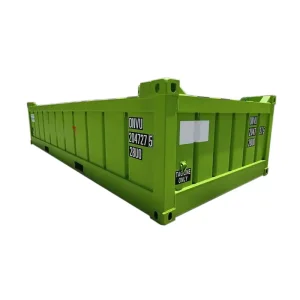
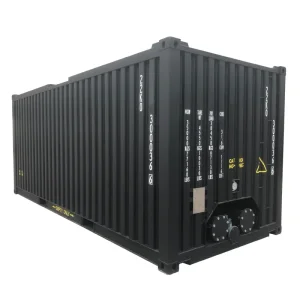
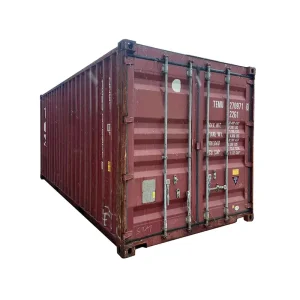
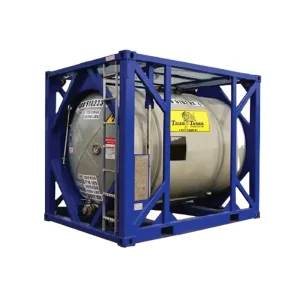
Engineered to international marine classification requirements and multi-axle cargo chassis parameters for uncompromised highway and oceanic haulage.

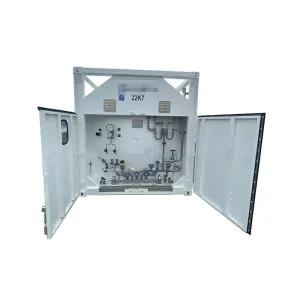

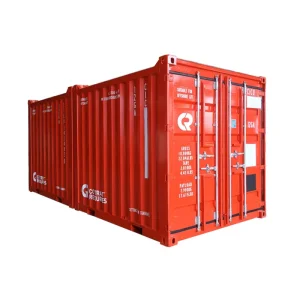
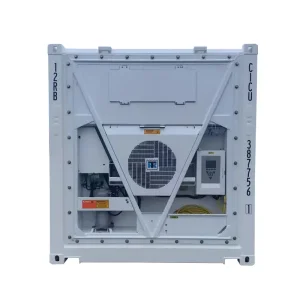
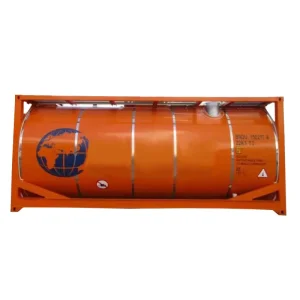
Cross-border logistics infrastructure has entered a new phase where cargo containers and container chassis trailers operate as an interdependent, hyper-efficient ecosystem.
Global supply chains no longer tolerate manual re-handling. Container trailers (skeletal chassis, gooseneck drop-decks, and bomb carts) interface directly with marine terminals and rail hubs, driving deadweight tonnage reduction through Corten and high-tensile T700 steel configurations.
Navigating international transport rules demands dual-tier compliance. Chassis must satisfy US DOT/FMVSS, Australian ADR, or European ECE regulations, while payload containers require full CSC, Bureau Veritas (BV), ISO 1496, and DNV 2.7-1 / EN 12079 structural validation.
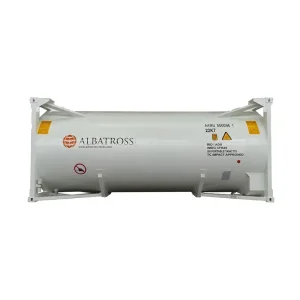
Standard dry box margins have compressed, driving capital investment toward specialized intermodal equipment: cryogenic T75 ISO tanks, variable temperature smart-reefers, mobile power-generation gen-sets, and multi-tier car racking containerization systems.
Why Tier-1 logistics conglomerates and EPC contractors procure container trailers, flatbeds, and ISO enclosures directly from Chinese industrial clusters.
Chinese production plants operate in tight physical proximity to leading specialty steel rolling mills (such as Baosteel and Ansteel). This proximity guarantees continuous access to weather-resistant SPA-H Corten steel, cryogenic austenitic steels, and ultra-high-yield trailer chassis beams without ocean-freight component markups.
From advanced refrigeration units (Carrier, Thermo King, Daikin) to standard ISO twist locks, Fuwa/BPW axles, and pneumatic braking systems, domestic component clusters reduce lead times from months to weeks. Engineering changes are implemented in real time across the production line.
Modern factories incorporate automated submerged arc welding, multi-axis plasma cutting, and shot-blasting bays. They apply marine-grade zinc-rich epoxy primers and polyurethane topcoats, achieving salt-spray resistance that exceeds 1,500 hours under marine environment C5-M ratings.
How containerized hardware and trailer transport frameworks adapt to severe working environments across five global operating sectors.
Offshore lifting dynamics require non-standard structures. DNV 2.7-1 certified containers utilize low-temperature impact-tested steels (e.g., -20°C charpy test parameters), integrated 4-part wire rope slings, and recessed locking mechanisms to protect payloads against sea swells and high-g crane operations on offshore rigs.
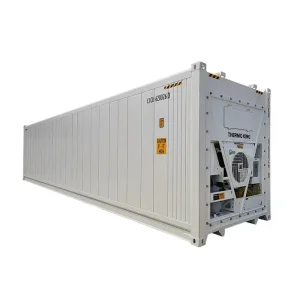
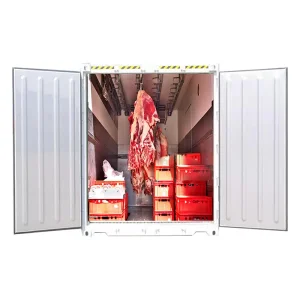
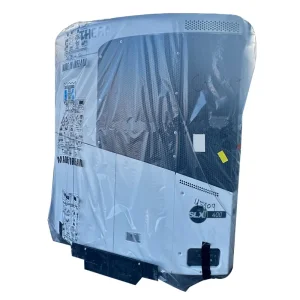
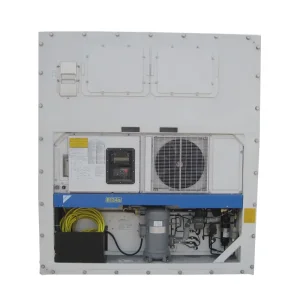
Reefer containers mounted on skeletal trailers equipped with diesel generator cooling units (such as TK SLXi platforms) provide continuous micro-climate stability. Digital multi-sensor data-loggers ensure pharmaceutical and fresh produce loads maintain cold chain compliance through terminal transfers.
Moving LNG, liquid nitrogen, or industrial chemicals requires specialized insulation. T75 cryogenic containers combine dual-wall stainless steel inner pressure vessels with multi-layer high-vacuum super insulation to provide hold-times over 30 days during long-distance intermodal road-and-rail journeys.
Specialized 20ft and 40ft car carrier containers utilize adjustable internal hoist racks to double or triple vehicle transport volume per move. Once cargo reaches terminal hubs, containers lock onto terminal tractor trailers for direct warehouse delivery without roll-on/roll-off congestion.
Direct comparison of key metrics to assist fleet engineers, logistics procurement managers, and technical buyers.
| Equipment Category | Structural Material | International Standard | Tare Weight (Avg) | Payload Capacity | Primary Industrial Use |
|---|---|---|---|---|---|
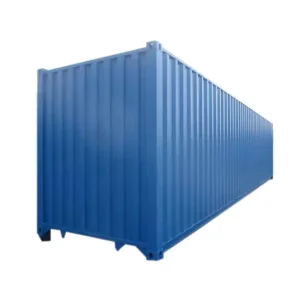
| 20ft ISO Standard Container | SPA-H Corten Steel | ISO 1496-1, CSC, BV | 2,200 kg | 28,280 kg | General Intermodal |
| 40ft High Cube Reefer | Stainless / Polyurethane / Corten | ISO 1496-2, ATP, TIR | 4,500 kg | 29,500 kg | Perishables & Pharma |
| DNV 2.7-1 Offshore Unit | Charpy V-notch Tested Steel | DNVGL-ST-E271, EN 12079 | 3,800 kg | 12,000 kg | Offshore Oil & Gas |
| T75 Cryogenic ISO Tank | 304L / 316L / Q345R Vacuum | ASME VIII, ADR, IMDG | 8,600 kg | 24,000 Ltr (Volume) | Industrial Gas / LNG |
| Tri-Axle Container Chassis | High Tensile Q345 / T700 Steel | DOT, FMVSS, ADR Compliant | 5,500 kg | 35,000 kg | Road Intermodal |
Anticipating structural, telemetric, and regulatory shifts across international intermodal procurement channels through 2030.
Fleet operators are shifting from static assets to intelligent, self-monitoring hardware. Modern reefers integrate 5G/satellite IoT transceivers that actively measure internal temperatures, compressor amps, relative humidity, and atmospheric oxygen levels—feeding real-time analytics to ERP systems to prevent cargo loss.
Procurement teams increasingly evaluate purchases based on lifetime lifecycle return rather than initial asset cost. Durable zinc coatings, low-maintenance sealed wheel hubs, and high-efficiency Carrier/Daikin scroll compressors deliver reduced maintenance cycles, measurable fuel savings, and higher residual resale values.
To offset rising fuel costs and satisfy strict highway gross vehicle weight limits (GVWR), manufacturers are re-engineering container chassis and standard units with high-strength T700 alloys and composite sandwich wall panels, maximizing payload tonnage without sacrificing structural safety margins.
Key technical specifications, regulatory procedures, and logistics considerations for overseas purchasing departments.
Explore heavy-duty intermodal equipment engineered for challenging haulage assignments, industrial materials transit, and multi-temperature cold chains.