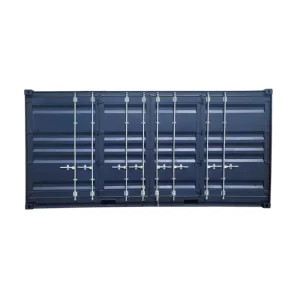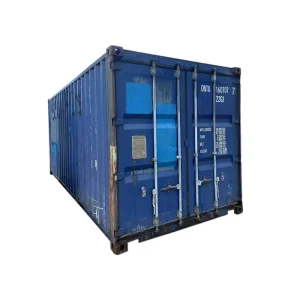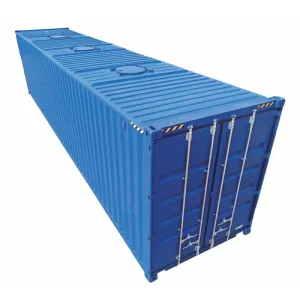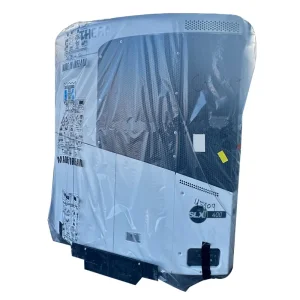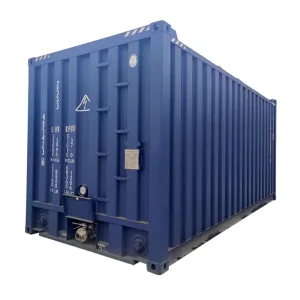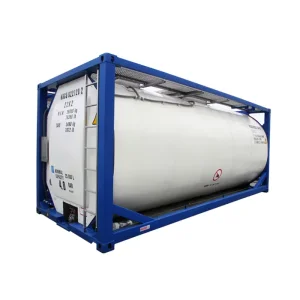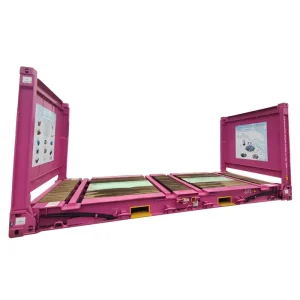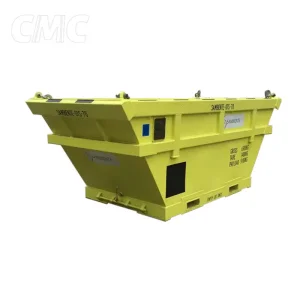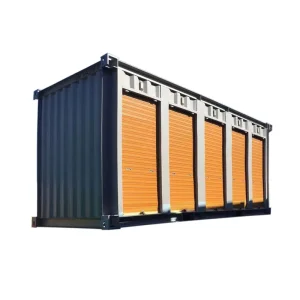
Direct factory configurations engineered for international multi-modal transportation, specialized cold chain operations, and ruggedized offshore sites.
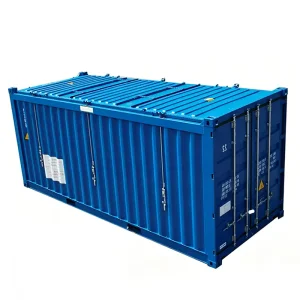
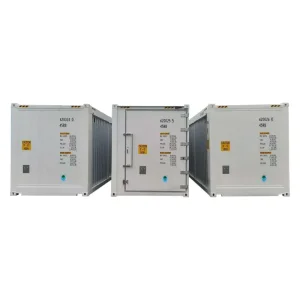
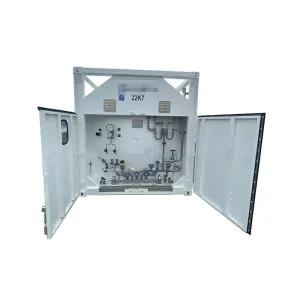
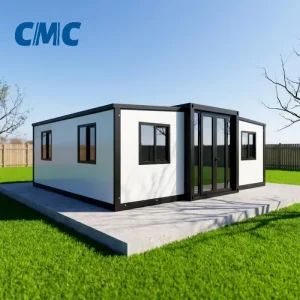
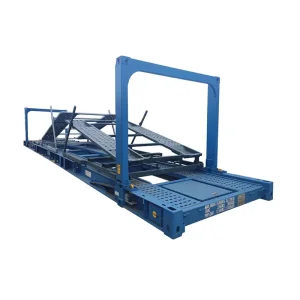
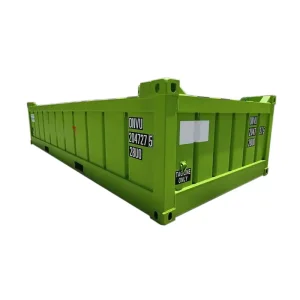
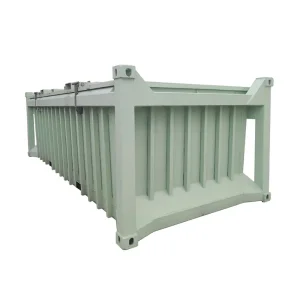
While standard 20ft and 40ft TEUs dominate transoceanic lanes, structural changes in urban warehousing, high-density asset deployment, and distributed micro-storage have created unprecedented structural demand for standard 8ft shipping and storage units.
Standard 8ft containers (nominal external dimensions: 2,438mm L x 2,200mm W x 2,260mm H) offer precise volumetric efficiency in confined urban workzones, construction staging sites, and tight maritime deck spaces. Their compact footprint mitigates municipal permit hurdles while providing heavy-gauge anti-vandal security.
Procuring small-footprint storage from direct manufacturing hubs eliminates intermediary leasing markups. Compared to regional warehouse rents that fluctuate wildly with spot inflation, 8ft corten steel assets represent durable capital expenditures that amortize fully within 24 to 36 months of deployment.
Modern 8ft configurations increasingly house localized BESS (Battery Energy Storage Systems), remote edge-compute data centers, and off-grid water filtration units. Factory pre-fabrication with specialized side louvers, firewall partitions, and fire-suppression raceways makes them the containerized structure of choice.
When global enterprises deploy capital to buy 8ft container products directly from Asian fabricators, rigorous cross-border quality auditing protocols determine the longevity, regulatory compliance, and total cost of ownership (TCO).
Top-tier manufacturing yards prioritize authentic SPA-H high-strength atmospheric corrosion-resistant steel. Non-specialized copycat factories frequently cut structural costs by substituting inferior mild carbon steels (Q235), which rapidly degrade when exposed to maritime humidity and salt-laden atmospheres.
Because an isolated 8ft container is too small to ship alone under standardized container vessel rates, experienced manufacturers design interlocking nested systems. High-precision corner casting setups allow multiple 8ft units to be coupled mechanically via bridge clamps or nested inside a standard 40ft High Cube for intercontinental ocean transit.
Factory paint lines must integrate a full zinc-rich epoxy primer (30-40μm), an intermediate epoxy barrier (40-60μm), and an exterior polyurethane topcoat (40-50μm), achieving a dry film thickness exceeding 120μm. This coating protocol adheres to ISO 12944 standard C5-M, ensuring 15+ years of exterior durability.
From offshore extraction to secure civilian construction, 8ft container products serve diverse macro-industrial use cases with purpose-engineered configurations.
Custom 8ft mini-containers customized for dynamic crane transfers between offshore support vessels and platform rigs. Incorporates internal tie-down eyelets, specialized padeyes, and proof-load testing certified to EN12079 / DNV GL requirements for harsh oceanic environments.
Integrated insulated polyurethane panels (minimum 80mm density) paired with compact scroll compressors. Powers localized food hubs, regional vaccine distributions, and temperature-controlled pharmaceutical storage without the excess power drain of oversized 40ft units.
Configured with heavy-duty roll-up shutters or high-tensile dual-leaf doors with factory-installed concealed lockboxes. Highly preferred by self-storage facility operators looking to monetize compact yard perimeters and dead-angle space with durable, tamper-proof steel units.
Engineered with integrated steel sump floors, spark-resistant galvanised grate decking, natural convection explosion-proof ventilation louvers, and earthing terminal studs to satisfy EPA and regional chemical containment standards.
International industrial projects mandate strict structural documentation. Direct sourcing requires verification of specific testing certifications before equipment dispatch from origin ports.
Every legitimate container unit must bear a valid CSC (International Convention for Safe Containers) safety approval plate. Factory load testing checks longitudinal floor strength (under 7,260kg axle loads), racking resistance, roof static load capacity, and 6-high corner-post stacking validation under fully laden weight.
Export batches undergo witnessed testing and factory quality surveillance by classification societies including Bureau Veritas (BV), Det Norske Veritas (DNV), American Bureau of Shipping (ABS), and Lloyd's Register (LR). Traceable steel mill test certificates (MTR) form part of the standard handover dossier.
Whether fitted with marine-grade 28mm hardwood plywood or heavy checker-plate steel floorboards, timber components must receive AQIS (Australian Quarantine and Inspection Service) compliant chemical treatments (TCT) or heat treatments (HT) to ensure rapid clearance through global border checkpoints.
Leading specialized container manufacturers are integrating automated robotic welding, eco-friendly coatings, and smart IoT telemetry into custom 8ft runs.
Transition from manual flux-cored arc welding to automated robotic fiber laser stations. Dramatically reduces thermal distortion in 1.6mm-2.0mm corrugated side-panels, yielding superior airtightness and higher hydrostatic test results.
Replacing traditional solvent paints with high-solids waterborne coatings, cutting factory VOC emissions by over 65%. Meets rigorous European REACH regulations while preserving long-term C5 marine corrosion protection.
Factory-integrated flush-mount satellite and cellular IoT sensor pods into the upper front header. Enables real-time tracking of GPS position, door-open cycles, internal temperature, humidity, and shock-impact loads.
Replacing traditional hardwood plywood decks with 100% recyclable continuous-fiber reinforced thermoplastic panels. Provides complete immunity to rot, water swelling, and biological hazards while shedding 18% of tare weight.
Direct technical answers addressing structural certification, logistics handling, MOQ parameters, and customization limits from experienced container manufacturing specialists.
Explore heavy industrial, bulk dry, chemical tank, and platform-grade transport hardware supplied directly from certified seaport manufacturing bases.