Factory-certified intermodal transporting containers available for rapid international procurement, direct deployment, and turn-key integration.
An authoritative analysis of multimodal logistics infrastructure, Corten steel metallurgy, cryogenic developments, and international containerization trends.
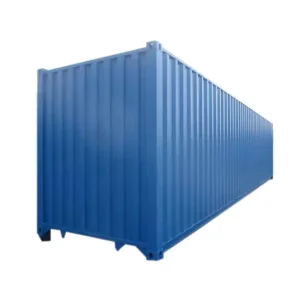
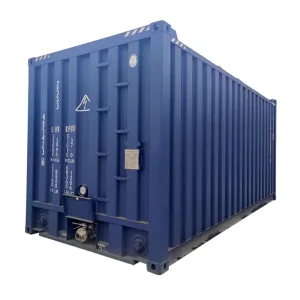
Modern transporting containers are no longer static freight boxes; they function as calibrated intermodal assets engineered to interface seamlessly across ocean carriers, heavy rail corridors, and double-stack intermodal chassis. Achieving international compliance requires stringent adherence to ISO 1496/1 series specifications for structural strength, floor load bearing capacities up to 7,260 kg per axle load, and ISO 1161 compliant corner castings rated for maximum gross weights exceeding 30,480 kg.
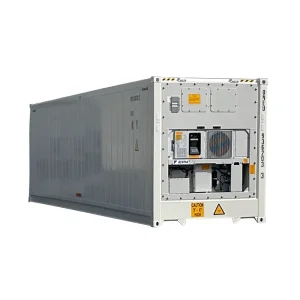
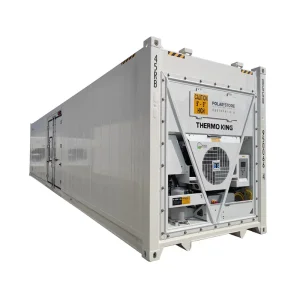
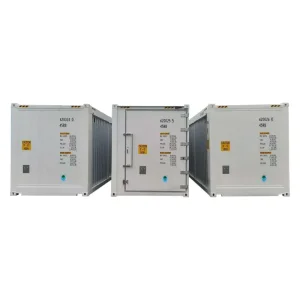
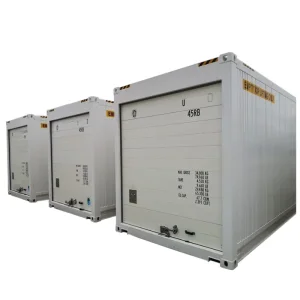
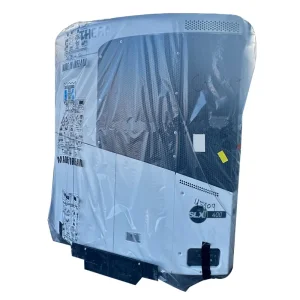
Global biopharmaceutical corridors and perishable food supply chains demand exceptional thermal insulation. Modern reefer container manufacturing integrates high-pressure cyclopentane-blown polyisocyanurate (PIR) core formulations with ultra-low thermal dissipation rates (U-values below 0.33 W/m²K). Utilizing active scroll and reciprocating compressor technologies from Daikin, Thermo King, and Carrier, these units guarantee micro-climate stabilities spanning -40°C deep freeze up to +30°C ambient set points.
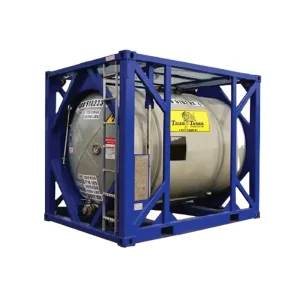
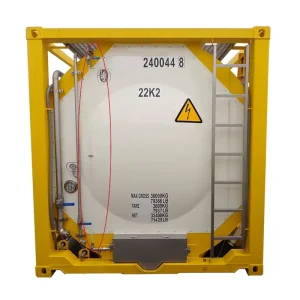
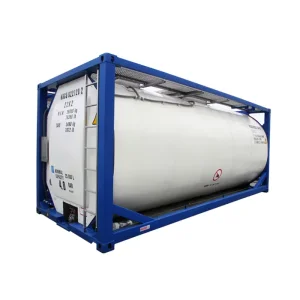
Handling volatile petrochemicals, industrial food-grade alcohols, and liquefied gases demands high-pressure vessel engineering conforming strictly to ASME VIII Div 1, IMDG Type T11/T14/T50, and DNV GL marine safety mandates. Manufactured with 316L stainless steel vessels protected by PTFE-lined valving, burst discs, and rock wool insulation blankets, these specialized transporting tanks resist highly corrosive transport profiles while preserving zero-spill containment integrity.
Over 90% of global intermodal transporting containers originate from high-efficiency industrial ecosystems located in China. The manufacturing concentration across key economic zones, including Tianjin and Suzhou, delivers unparalleled supply chain agility, cost efficiency, and raw material access.
By coupling advanced robotic welding cells with automated shot-blasting, multi-layer zinc-rich epoxy priming, and environmental baking ovens, modern manufacturing hubs eliminate micro-structural porosity while maintaining dimensional tolerances well within millimeter-grade limits.
Yield Point ≥ 345 MPa / Tensile ≥ 490 MPa (Corten-A / SPA-H)
Cast Steel SCW480 (ISO 1161) Stacking Test Load ≥ 86,400 kg
28mm Hardwood Marine Plywood / Steel Checkered Plate (7,260 kg test)
Zinc-Rich Primer (30μm) + Epoxy Midcoat (40μm) + Acrylic Topcoat (40μm)
From remote subsea exploration to rapid urban modular expansion, transporting containers serve as versatile structural building blocks.
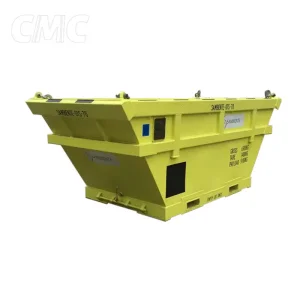
DNV 2.7-1 / EN 12079 certified offshore baskets, silt containers, and skid-mounted half-height carriers engineered to withstand dynamic wave-impact stresses, harsh subsea deck environments, and certified crane lift procedures.
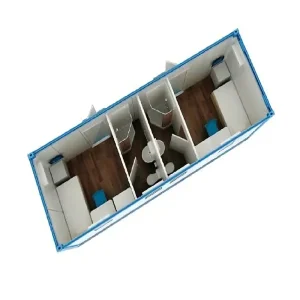
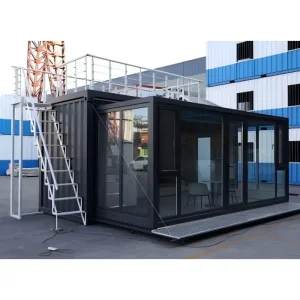
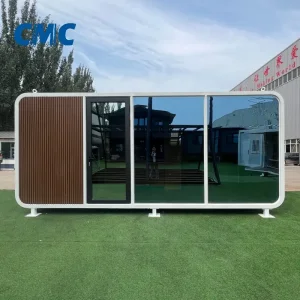
Turnkey converted ISO units, flat-pack systems, and expandable apple cabins serving remote engineering projects, mining workforces, and rapid humanitarian relief setups with pre-installed electrical, thermal, and sanitary systems.
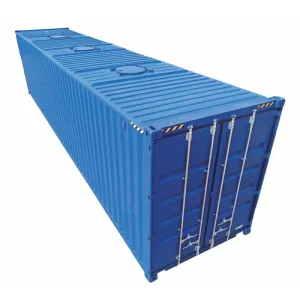
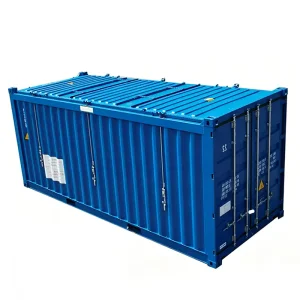
Side-opening, open-top, and double-ended doors designed to accelerate cargo transfer operations across regional break-bulk logistics stations, intermodal transfer yards, and fast-paced inland trucking terminals.
High-cube reefer containers deployed as modular, walk-in commercial cold storage units, pre-cooling facilities, and pharmaceutical quarantine warehouses operating in remote agricultural fields or terminal staging areas.
How digital asset tracking, decarbonization goals, and customized modifications are reshaping international container acquisition strategies.
Enterprise buyers increasingly specify smart transporting containers equipped with solar-assisted satellite trackers, door-opening sensors, humidity sensors, and digital cold-chain data loggers. These integrated systems broadcast real-time operational status updates directly to enterprise cloud architecture, streamlining supply chain visibility.
Stricter global maritime emissions mandates drive demand for lightweight structural profiles. By using high-strength low-alloy (HSLA) steel alongside composite flooring, manufacturers shed tare weight without compromising stacking strength. This structural optimization cuts fuel consumption across road, rail, and sea logistics routes.
Procurement strategies have transitioned from generic cargo boxes toward OEM/ODM purpose-built containers. Industrial buyers routinely require built-in internal racking, hazardous-spill containment floors, side-access roller doors, and pre-machined ventilation ductwork directly from the factory floor to bypass local modification bottlenecks.
Clear, engineering-backed answers addressing structural certifications, customized configurations, and global shipment workflows.
We supply standard ISO dimensions including 10ft, 20ft standard, 20ft high-cube, 40ft standard, and 40ft high-cube units. In addition, specialized dimensional profiles—such as half-height open-tops, 45ft ultra-high-cubes, side-door models, and custom-length modular assemblies—are manufactured to exact operational drawings.
Our reefer product lines incorporate precision refrigeration machinery from Daikin, Thermo King, and Carrier. Machinery configurations can be selected based on specific cold-chain cargo needs, target temperature parameters (-40°C to +30°C), and power compatibility (380V/440V 3-phase, 50/60Hz).
Every intermodal container leaves production with Bureau Veritas (BV), ABS, or ISO quality verification and a CSC (Convention for Safe Containers) safety approval plate. Offshore containers comply with DNV 2.7-1 / EN 12079 structural standards, while chemical ISO tank containers satisfy IMDG, ASME VIII, and ADR regulations.
Reefer containers incorporate an electrically driven refrigeration circuit for active temperature maintenance and continuous thermal pulldown. Insulated containers utilize high-density polyurethane wall panels for passive thermal buffering, making them ideal for short-haul transfers or cargo requiring stable ambient protection without active refrigeration.
Used fleet containers undergo multi-point structural inspections across major Chinese port hubs. We verify corner post squareness, understructure crossmembers, door gaskets, and locking gear, delivering detailed photographic and condition reports prior to export booking.
Yes. We deliver custom OEM/ODM modifications, including full side-opening bifold doors, specialized cargo tie-downs, internal stainless steel or food-grade liners, non-standard dimensional profiles, and custom exterior branding schemes.
Review specialized liquid, bulk, cold-chain, and modular transport units engineered to exact industrial parameters.
Submit your project specifications, required volume, destination port, and custom engineering needs. Our technical sales team will deliver detailed GA drawings and a firm factory-direct quotation within 24 hours.
