Engineered precisely to ISO, BV, and CSC criteria. Fully tested and certified for heavy intermodal rail, highway haulage, and global maritime shipping routes.

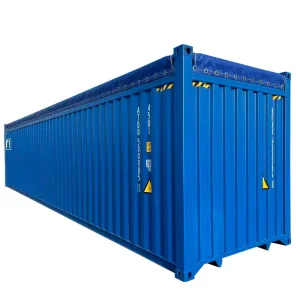
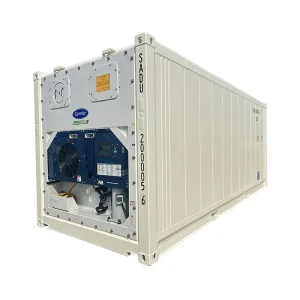
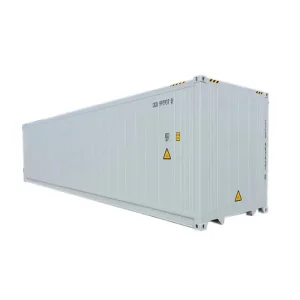
An engineering breakdown of why global tier-one supply chains source dry cargo boxes, high cubes, and specialised tank modules directly from Chinese industrial centers.
Industrial production lines utilise high-tensile SPA-H atmospheric corrosion-resistant steel (Corten-A). This metallurgy generates a self-passivating protective copper-chromium oxide layer, delivering exceptional structural fatigue resistance across dynamic sea freight voyages and salt-fog conditions.
Equipped with robotic continuous MIG/MAG welding lines, multi-stage automated shot blasting (SA 2.5 standard), and ultra-durable zinc-rich epoxy paint application booths. Every production cycle guarantees strict angular tolerances for seamless stacking, handling, and intermodal compatibility.
Operating manufacturing facilities approximately 100 km from major northern seaports such as Tianjin Port minimizes inland intermodal hauling, optimizes empty box positioning, and mitigates port staging congestion for volume procurement initiatives across North America, Europe, and Africa.
Engineering parameters addressing critical safety standards, pressure limits, and multi-modal handling protocols across sovereign shipping corridors.
In modern multimodal shipping corridors, global procurement specialists from logistics companies, cold-chain operators, defense contractors, and civil infrastructure providers demand precise container configurations tailored to harsh environments. When purchasing containers—whether high-capacity standard dry cargo units, insulated pass-through boxes, or offshore dynamic lifting frames—procuring organizations face strict structural load covenants governed by international classification societies.
| Standard / Agency | Compliance Scope | Engineering Specification | Verification Protocol |
|---|---|---|---|
| ISO 1496-1 / 668 | Series 1 Freight Dimensions & Stacking | Minimum internal diagonal tolerances & corner fitting ratings | Static racking test up to 86,400 kg transverse load |
| CSC (IMO 1972) | International Convention for Safe Containers | Mandatory stainless steel Safety Approval Data Plate | End wall / side wall static and dynamic transverse proof |
| Bureau Veritas (BV) | Marine Structural Certification | Full structural trace of welds, Corten steel origin, and paints | Non-destructive testing (NDT), radiographic & ultrasonic tests |
| DNV 2.7-1 / EN 12079 | Offshore Rig Supply & Dynamic Lifting | Pad eye welding, high impact Charpy V-notch yield points | Dynamic drop, single-point lift, multi-lug tilt verification |
| TIR / UIC 592 | Customs Security & Rail Intermodal Clearance | Fastener security, customs sealing points, anti-theft cam locks | Continuous tamper-evident locking latch inspection |
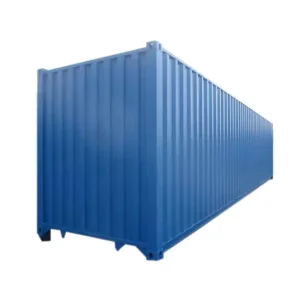
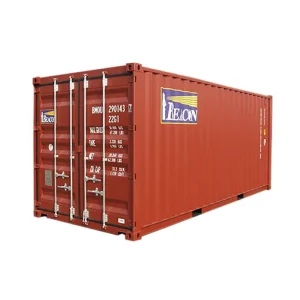
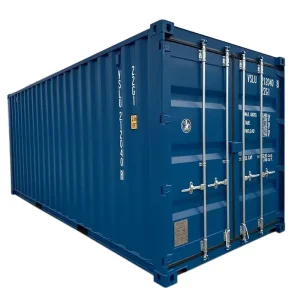
Every dry cargo shell is built with longitudinal corrugated sidewalls (1.6mm – 2.0mm thickness) and deep corrugation roof panels, mitigating water accumulation and extending service longevity well past 15 to 20 years in active marine rotation.
Intermodal floors incorporate 28mm thick, multi-ply apitong or hardwood marine plywood, thoroughly treated against pests and rot in full compliance with the Australian Quarantine and Inspection Service (AQIS) guidelines.
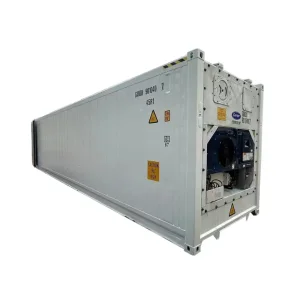
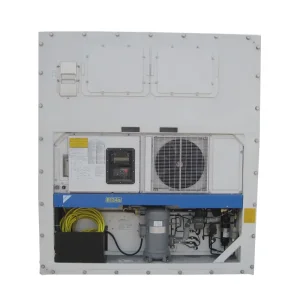
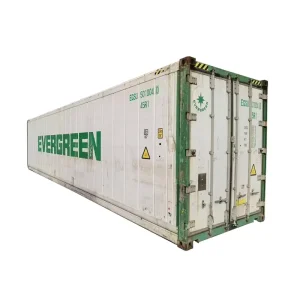
Reefer containers incorporate high-density non-CFC polyurethane foam injected under pressure between food-grade 304 stainless steel interior liners and lightweight aluminum outer skins, maintaining thermal transfer coefficients (U-values) below 0.38 W/m²K.
From offshore rig replenishment to municipal cold hubs, discover how specialized containers bridge modern logistical gaps.
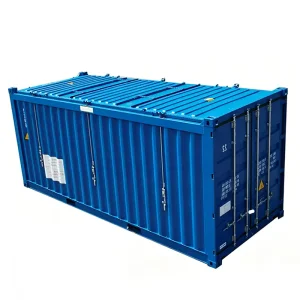
Specialized heavy-duty half-height containers and open-top structures allow seamless crane loading of high-density ores, drilling equipment, and chemicals. In offshore marine environments, DNV-certified frames guarantee safety against wave-impact forces during supply vessel transfers.
Coupled with Carrier, Daikin, or Thermo King refrigeration machinery, our insulated reefer containers function as precision cold vaults (-30°C to +30°C). Deployable on port aprons, agricultural staging sites, or pharmaceutical processing nodes requiring uncompromised setpoint stability.
Featuring full-length bi-folding side doors, roll-up shutter access, and double-ended entry configurations, these platforms streamline pallet turnover inside tight distribution warehouses, reducing forklift handling hours by upwards of 40%.
How digitalization, decarbonization covenants, and advanced coatings dictate the next generation of shipping containers.
Next-gen container fleets feature integrated IoT tracking sensors monitoring internal atmospheric temperature, door seals, shock impacts, and relative humidity in real time via satellite and 5G uplink, eliminating blind transit risks for high-value cargo.
Moving beyond conventional solvent paints, Tier-1 Chinese fabricators deploy multi-layer waterborne acrylic and polyurethane coatings. This reduces volatile organic compound (VOC) emissions by up to 85% while meeting strict ISO 12944 C5-M marine corrosion guarantees.
Transitioning toward low-GWP refrigerants (such as R-1234yf and R-744 CO2 systems) alongside roof-embedded photovoltaic trickle chargers allows continuous operation of auxiliary monitoring modules even during dockside or staging power interruptions.
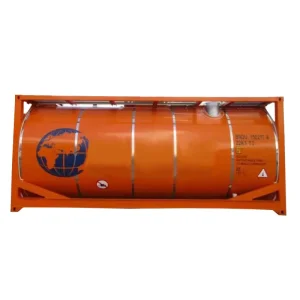
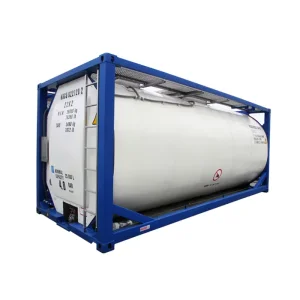
Explore our full OEM and ODM production capabilities for specialized transport challenges, liquid ISO tanks, and heavy bulk freight handling.

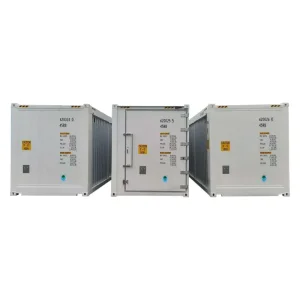
In-depth technical answers addressing testing, custom modifications, and international shipping protocols.
