Precision-fabricated units meeting ISO 1496-1, CSC safety standards, and international classification requirements. Immediate port-side allocation from Tianjin and Eastern coastal maritime corridors.
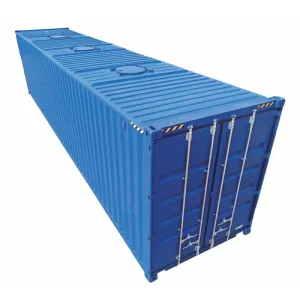
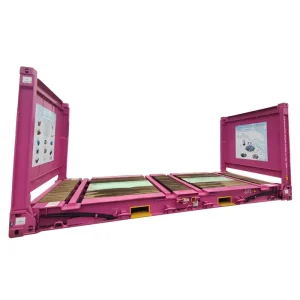
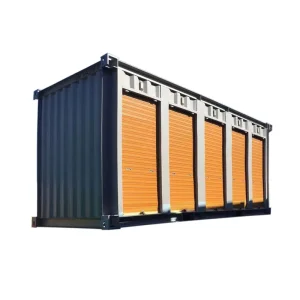
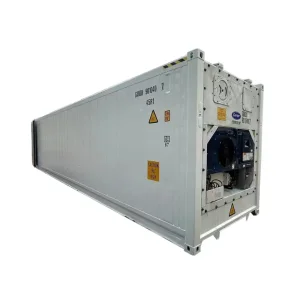
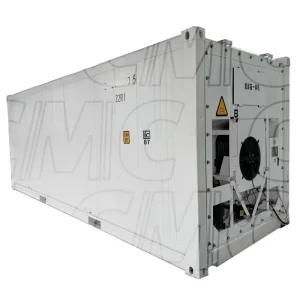
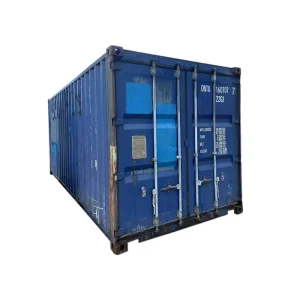
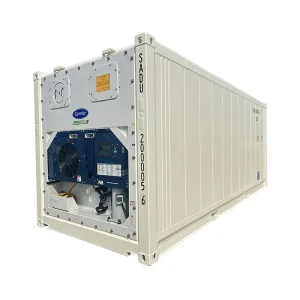
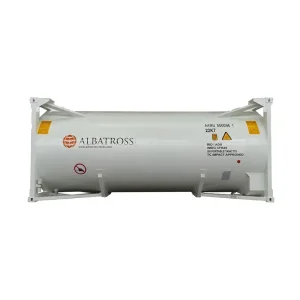
Global supply networks are shifting from pure cost-reduction paradigms to structural resilience, asset longevity, and multi-modal velocity. In this evolving trade ecosystem, Chinese manufacturing ecosystems supply over 85% of standard and high-specification containerized infrastructure worldwide.
The modernization of global trade lanes has created critical demand for specialized containerization. Standard dry vans, while fundamental, are no longer sufficient to solve the complex supply chain challenges faced by modern chemical, pharmaceutical, and offshore energy enterprises.
Logistics procurement teams today require multi-purpose modularity: high-cube refrigerated units capable of tight thermal margins for biopharmaceuticals, DNV-certified offshore dry boxes engineered for harsh open-ocean dynamic stresses, and pressurized ISO tanks designed for cryogenic and liquefied gas transportation. China's integrated steel-to-assembly ecosystem provides the technical bandwidth necessary to produce these advanced variants at scale.
Purchasing direct from primary Chinese container production clusters like Tianjin and the Yangtze River Delta delivers total-cost-of-ownership (TCO) dividends that extend beyond basic unit acquisition costs. High automated assembly rates and optimized regional steel procurement keep Capex predictable.
Furthermore, immediate deep-water port proximity eliminates domestic multi-modal routing overheads. Units roll directly off automated production lines into active container yards for swift international marshalling, drastically cutting per-diem repositioning fees and demurrage exposure for global consignees.
Precision structural integrity in maritime containers is determined by metallurgy, automated welding precision, surface pretreatment, and climate-controlled curing protocols.
Units utilize continuous hot-rolled SPA-H atmospheric corrosion-resistant steel. Upon atmospheric exposure, Corten-A develops a dense passivation oxide layer that arrests deep-pitting oxidation caused by saline environments, dramatically increasing fleet lifespans past 15 years in active transoceanic duty.
Robotic multi-axis gantry welders perform unified longitudinal seams across roof panels, side corrugations, and heavy-gauge bottom side rails (BSR). This robotic consistency eliminates cold-lap defects and micro-porosity, guaranteeing CSC test cert compliance for 9-high stacking at 216,000 kg gross vessel loads.
Steel substrates undergo automated shot-blasting to Swedish Sa 2.5 cleanliness standards. This is immediately followed by a zinc-rich epoxy primer (30μm), an epoxy intermediate barrier coat (40μm), and an aliphatic acrylic polyurethane topcoat (40μm), providing over 1,500 hours of ASTM B117 salt-spray test endurance.
Shipping containers have evolved far beyond basic maritime cargo transit. Today's industrial frameworks demand specialized adaptations configured to severe operating conditions.
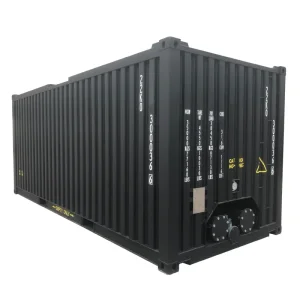
Engineered to DNV 2.7-1 / EN 12079 structural tolerances for deep-sea oil and gas rigs and offshore wind turbine arrays. Equipped with dedicated 4-point padeye lifting sets, low-temperature impact-resistant alloy components, and gas-tight explosion-proof electrical installations.
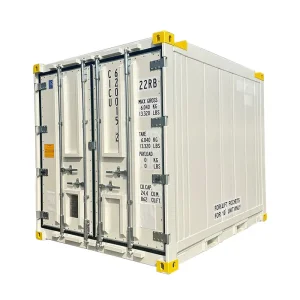
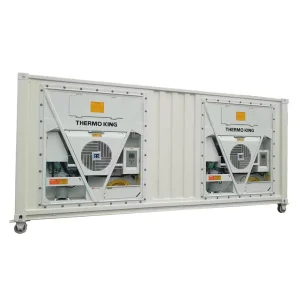
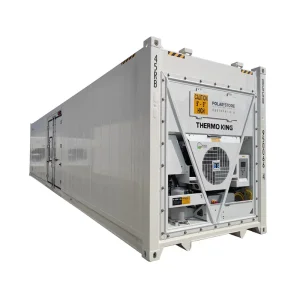
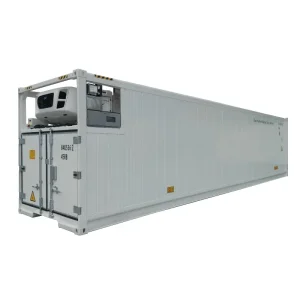
Deploying high-precision machinery (Carrier Transicold, Thermo King, Daikin) paired with Cyclopentane high-pressure polyurethane foaming cores. Maintains tight temperatures from -35°C to +30°C for high-value biopharmaceuticals, seafood, and fresh agricultural produce.
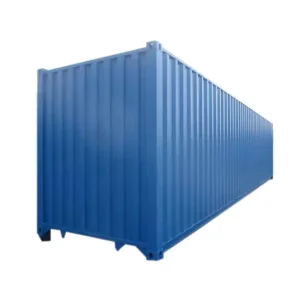
Custom 40ft High Cube and 45ft specialized railway containers built for cross-Eurasian rail lines. Reinforced to handle prolonged sub-zero temperatures (-40°C), heavy shunting loads, and continuous multi-modal vibration across divergent track gauges.
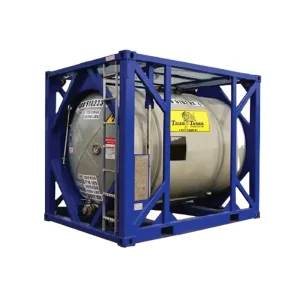
Thermal insulated bitutainers with integrated thermal-fluid or direct-fire heating for asphalt and bitumen transport, paired with T11/T50 class ISO pressure vessels engineered for hazardous liquid chemicals, compressed propane, and specialized industrial gases.
Container manufacturing is transitioning from passive metallic shells into digitally connected, thermally efficient, low-carbon industrial infrastructure.
Factory-integrated IoT sensor arrays reporting real-time ambient interior temperatures, humidity levels, 3-axis G-shock events, door-aperture status, and GPS coordinates directly to enterprise cloud brokers via satellite-cellular roaming gateways.
Deploying high-strength steel-plastic hybrids and carbon-nanotube reinforced sandwich floor systems, yielding a 12% reduction in tare weight while preserving 30,480 kg maximum operating gross mass rating, significantly lowering fuel burn per payload-ton.
Implementation of nano-porous silica vacuum insulation panels within reefer walls, cutting thermal conductivity down to < 0.004 W/(m·K). This preserves refrigeration efficiency, reduces active unit power consumption by 35%, and cuts run-hours.
Flexible roof-integrated photovoltaic arrays coupled with DC-inverter hybrid power trains, enabling passive refrigeration holdover for perishable shipments during dwell cycles, rail yard transfers, or extended electrical disconnect periods.
International operations require strict regulatory compliance. Our facilities operate within internationally audited Quality Management Systems to ensure all units arrive fully certified for immediate field deployment.
Every ISO container ships with an authenticated International Convention for Safe Containers (CSC) stainless-steel approval plate, issued under the supervision of leading classification societies (Bureau Veritas, ABS, CCS, or Lloyd's Register), verifying multi-stack structural safety under full load.
Specialized offshore cargo carrying units (CCUs) undergo Charpy V-notch impact testing at -20°C or -40°C on steel, corner castings, and lifting lugs, supported by complete material test reports (MTRs) and non-destructive examination (NDE/NDT) documentation.
We bridge Asian factory-direct value with localized service warranties across key arrival ports in North America, Western Europe, the Middle East, and Sub-Saharan Africa. Certified technical specialists and genuine OEM refrigeration spare parts ensure maximum operational uptime.
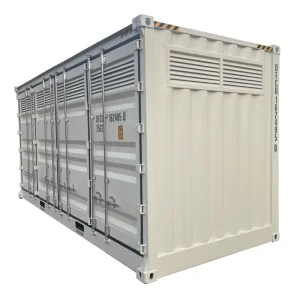
Explore specialized configurations including offshore cryogenic vessels, high-cube side access reefers, multi-point dangerous goods units, and specialized railway assets.
Detailed answers addressing critical engineering parameters, classification society validation, structural lifespans, and logistics compliance.
