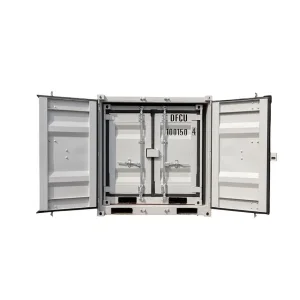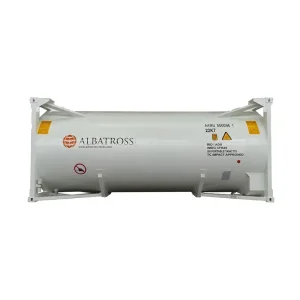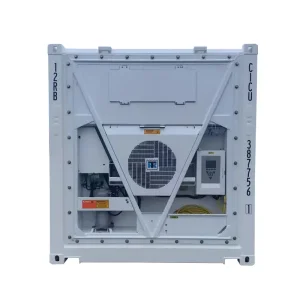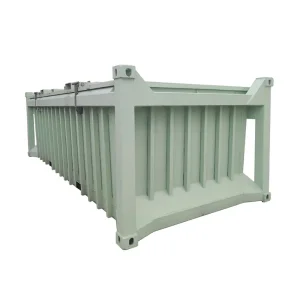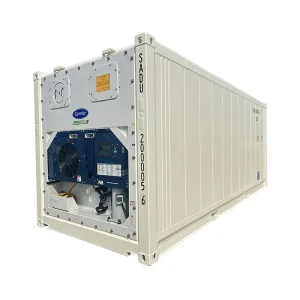
Factory-calibrated intermodal freight solutions, refrigerated assemblies, and open-top structures engineered under ISO, CSC, and DNV maritime specifications.
An analytical deconstruction of high-clearance intermodal equipment, structural metallurgic advantages, and global logistical adaptability.
In modern intermodal freight transport and modular architectural engineering, High Top Containers—broadly categorizing both High Cube (HC) enclosures (measuring 9ft 6in in exterior height) and Hard/Soft Open Top heavy machinery units—represent the apex of volume optimization and bulk clearance. As global logistics networks navigate soaring fuel surcharges, complex multimodal transfer cycles, and oversized automation systems, standard 8ft 6in dry vans are systematically giving way to 9ft 6in vertical configurations. China-based manufacturers, supported by robust regional metallurgical supply chains along the Bohai Rim and Yangtze River Delta, currently fabricate upwards of 90% of the world’s global high top container fleet.
This industry whitepaper serves procurement directors, supply chain strategists, and offshore logistics managers by offering exhaustive insights into structural Corten-A steel formulations, robotic welding automation, DNV-GL/BV certification pathways, and total cost of ownership (TCO) frameworks when sourcing direct from Chinese manufacturing hubs such as Tianjin, Shanghai, and Qingdao.
Examine the engineering tolerances, raw material chemistries, and dimensional advantages that differentiate heavy-duty high cube units from generic intermodal equipment.
Every structural rail, corner post, and corrugated panel is fabricated from cold-rolled SPA-H atmospheric corrosion-resistant steel. This metallurgical grade precipitates a stable, passivating copper-chromium oxide layer upon oxidation, drastically impeding deep maritime rust.
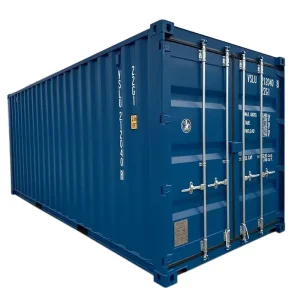
By increasing the vertical profile to 2,896 mm (9ft 6in), High Cube containers offer 76.2 m³ of internal cube capacity—a ~12% volumetric expansion over standard dry vans. This elevation allows dual-tier europallet optimization and tall machinery packaging.
Industrial manufacturing centers comply with stringent VOC emission mandates using dynamic robotic paint lines. Steel grit blasting down to SA 2.5 is immediately followed by a zinc-rich primer, polyamine epoxy intermediate coat, and acrylic polyurethane finish.
| Dimensional Metric | 20ft Standard Dry | 40ft High Cube (High Top) | 40ft High Top Hard Open Top | DNV Offshore High Top |
|---|---|---|---|---|
| External Dimensions (L×W×H) | 6,058 × 2,438 × 2,591 mm | 12,192 × 2,438 × 2,896 mm | 12,192 × 2,438 × 2,896 mm | 6,058 × 2,438 × 2,896 mm |
| Internal Clear Height | 2,393 mm (7ft 10in) | 2,698 mm (8ft 10in) | 2,650 mm (Removable Header) | 2,540 mm (Reinforced Ceiling) |
| Internal Volume | 33.2 m³ (1,172 cu ft) | 76.4 m³ (2,698 cu ft) | 74.2 m³ (2,620 cu ft) | 35.8 m³ (Offshore Rating) |
| Flooring System | 28mm Marine Plywood | 28mm Keruing / Bamboo Plywood | Heavy-Duty Steel Chequered | 6mm Anti-Slip Steel Plate |
| Certifications Applicable | ISO 1496-1, CSC, UIC | ISO 1496-1, CSC, TIR, BV | ISO 1496-1, CSC, TIR, ABS | DNV 2.7-1 / EN 12079 / ISO 10855 |
Discover how deep cluster integration, port proximity, and specialized metallurgical ecosystems yield unassailable cost and delivery advantages for global enterprises.
Chinese heavy equipment factories located in areas like Tianjin and Jiangsu operate within immediate reach of major domestic steel mills (such as HBIS and Baosteel). Raw hot-rolled Corten coils, specialized castings, and custom extruded rubber door gaskets are delivered via localized just-in-time (JIT) trucking routines, avoiding overseas import duties on specialized alloy inputs.
Positioned ~100 km from major container hubs like the Port of Tianjin and Port of Shanghai, China manufacturers offer unique repositioning solutions. Global buyers can utilize "One-Way Repositioning" (cabotage), loading cargo into newly fabricated containers destined for Rotterdam, Los Angeles, or Durban, effectively slashing ocean repositioning costs to near zero.
Beyond baseline ISO dry vans, premier Chinese manufacturers run advanced engineering offices staffed by mechanical, thermal, and marine structural specialists. Whether clients need specialized internal lashing D-rings rated at 5,000 kg, reinforced roll-up side doors, or explosion-proof HVAC ducting, custom structural CAD/FEA simulations proceed from drawing to prototype within 14 business days.
Navigating statutory maritime regulations, structural safety validations, and regional import clearances without operational delays.
Every container leaving an authorized Chinese fabrication plant is assigned a stainless steel CSC (Convention for Safe Containers) safety approval plate. Rigorous factory type testing is verified on-site by class surveyors from Bureau Veritas (BV), DNV, Lloyd's Register (LR), or American Bureau of Shipping (ABS).
For international buyers sourcing both new builds and 90% near-new units, top Chinese exporters operate rigorous pre-delivery inspection (PDI) workflows. High-resolution multi-angle photographic audits, ultrasonic weld thickness assays, door gasket light leak verification, and reefer pre-trip inspection (PTI) run logs are digitally uploaded to the procurement portal before bill of lading issuance.
Global operations demand rapid component replacement. Leading manufacturers maintain stock depots of OEM hardware—including EPDM perimeter seals, dual-action cam locks, forged hinges, and marine wood floor planks—available for dispatch to destination ports in Europe, North America, Australia, and Africa via expedited air or ocean lines.
From cold-chain food integrity and offshore drilling rigs to modular smart cities and energy storage systems.
The global shift toward green energy makes 20ft and 40ft High Cube containers the preferred chassis for grid-scale Lithium-Iron Phosphate (LFP) energy storage. The extra 305 mm vertical clearance facilitates overhead thermal HVAC ducting, aerosol fire suppression manifolds, and under-floor battery power cabling while preserving ISO footprint portability.
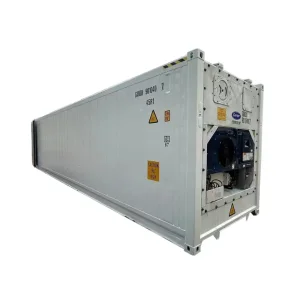
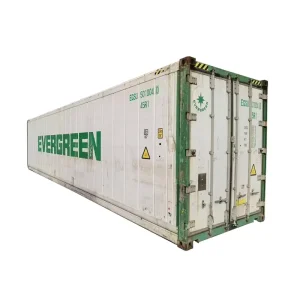
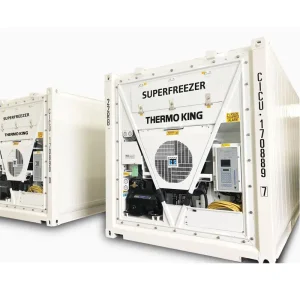
Equipped with industry-standard Carrier Transicold, Thermo King, or Daikin refrigeration machinery, High Top reefer units provide the essential cubic volume required to integrate T-bar aluminum flooring. Chilled air flows unhindered through dense palletized perishables, maintaining precise temperatures from -30°C to +30°C even in high-ambient marine zones.
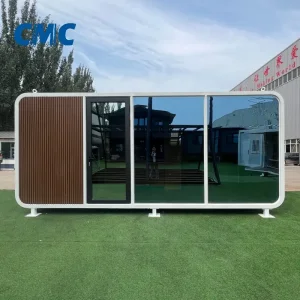
Civil engineering developers turn to 20ft/40ft High Cube frames to build architectural micro-dwellings, luxury garden offices, and emergency worker housing. High top geometry accommodates internal thermal insulation, acoustic rockwool barriers, sub-flooring, and 2.4-meter internal ceiling heights without inducing a cramped indoor feel.
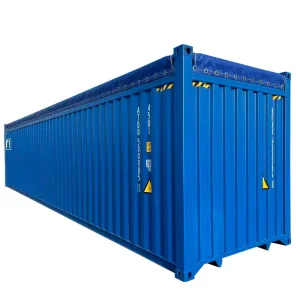
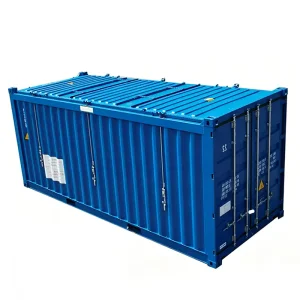
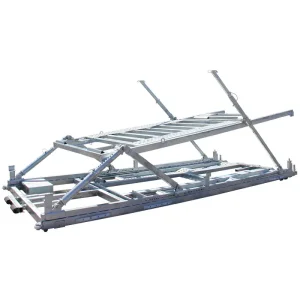
Soft-top and hard-top open containers eliminate the limitations of conventional end doors. Overhead cranes lower heavy mining machinery, marble slabs, or dense ore baskets directly through the roof aperture. A removable rear swing header makes roll-in forklift maneuvers swift and safe on complex job sites.
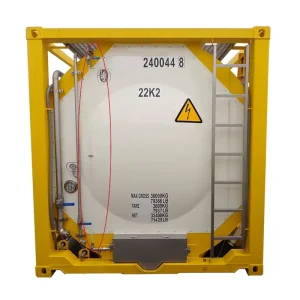
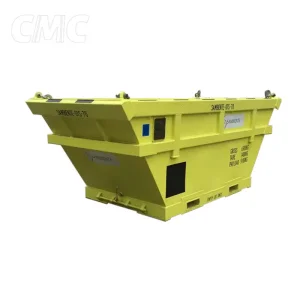
DNV 2.7-1 certified silt basket containers and half-height mineral units perform safely under harsh North Sea offshore conditions. Engineered to handle continuous multi-point crane lifting from supply boats to drilling rigs in open ocean swells, these structures incorporate high-toughness steel resistant to brittle failure at -20°C.
How automation, IoT telematics, low-carbon steel, and changing intermodal standards are shaping modern container production.
Factory integration of satellite/cellular-linked IoT sensor arrays is accelerating. Future-generation high cube reefers and special containers ship with embedded digital monitors tracking temperature, internal humidity, door openings, structural shock, and real-time GPS locations direct to enterprise ERP networks.
With the European Union implementing the Carbon Border Adjustment Mechanism (CBAM), tier-1 container manufacturers in China are adopting electric arc furnace (EAF) steel and hydrogen-reduced iron. Paired with solvent-free waterborne paints, embodied carbon footprints are trending downward.
Leading Chinese factory production lines now feature synchronized welding robots that ensure seam consistency across all floor crossmembers and corner posts. Non-destructive laser weld testing and algorithmic visual QC minimize fabrication flaws prior to hydrostatic and load testing.
Key structural, commercial, and operational considerations answered by seasoned container engineering specialists.
A High Cube (HC) container is an enclosed box with an extended height of 9ft 6in (versus standard 8ft 6in), designed to carry light-to-medium density, voluminous cargo on pallets. An Open Top High Top container matches this 9ft 6in height profile but features a removable hard steel roof or heavy-duty PVC tarpaulin cover with removable roof bows. This allows cranes to load oversized machinery and dense industrial components through the roof aperture.
Yes. High Cube containers feature standardized ISO corner castings that maintain identical longitudinal and transverse footprint centers (e.g., 40ft × 8ft spacing). They can interlock securely with standard 8ft 6in containers via twistlocks on container vessel cell guides and deck stacks, subject to vessel stability calculations and line-of-sight maritime bridge requirements.
Standard ISO catalog high top units, stock reefers, and near-new used containers can typically be secured with an MOQ of 1 unit. For bespoke OEM/ODM fabrications involving structural chassis changes, alternate door cutouts, unique wall thicknesses, or non-standard paint configurations, the production line MOQ generally ranges from 2 to 5 units, depending on tooling needs.
Instead of paying high "empty repositioning" sea freight charges to move new containers from Chinese ports to destination terminals, buyers can authorize domestic freight forwarders to load compatible commercial dry cargo for a single trip. The container earns freight revenue during its maiden voyage, often offsetting ocean transport costs to North American or European ports entirely.
Standard export documentation packets include a valid CSC Plate Certificate, classification society survey reports (issued by BV, ABS, or DNV), a Certificate of Origin (Form A, CO, or RCEP), Mill Test Certificates (MTC) for SPA-H Corten steel, paint warranty documentation, and comprehensive photographic PDI sign-off dossiers.
Discover our line of storage containers, offshore certified transport units, specialized gas tanks, and reconditioned reefer options.