Explore our BV and ISO certified container series engineered for deep freeze storage, asphalt bulk transit, heavy dry goods, and cryogenic liquids direct from Chinese ports.
Unpacking the structural engineering, internal linings, payload reinforcement mechanics, and aerodynamic airflow profiles that define modern intermodal boxes produced by leading Chinese industrial manufacturers.
The interior deck of dry cargo containers requires extreme flexural strength to withstand axle loads of up to 5,460 kg imposed by industrial forklifts during stuffing. We utilize 28mm 19-ply exterior marine hardwood plywood (Apitong/Keruing) treated under Australian quarantine regulations (AQIS), or environmentally stabilized composite bamboo boards bonded with high-grade phenol formaldehyde resin.
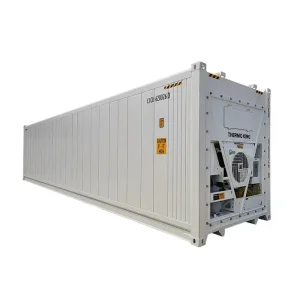
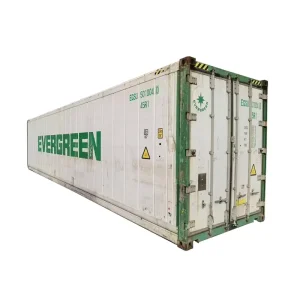
Within refrigerated containers, the interior shell exhibits a hygienic sandwich architecture. Outer Corten or MGSS stainless panels enclose high-density closed-cell Polyurethane (PIR/PUR) foam injected at high pressure (42 kg/m³ density). Internal faceplates feature food-grade food-contact SUS 304 or mirror-polished stainless steel to resist caustic wash-downs and saline vapor.
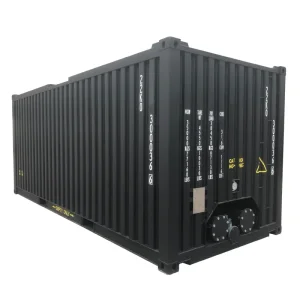
For DNV 2.7-1 and EN 12079 certified offshore units, the interior environment is engineered to combat extreme dynamic impact and atmospheric corrosion encountered on North Sea and tropical oil platforms. Inner walls feature explosion-proof fixtures, non-sparking zinc-rich priming, and internal flame-retardant cellular insulation.
From standard intermodal freight to mission-critical infrastructure, explore how Chinese container manufacturing complexes customize interior volumetric space and exterior rigidity.
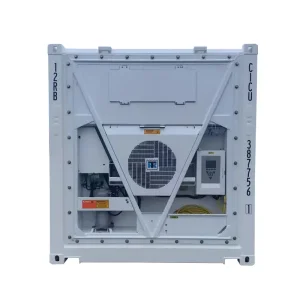
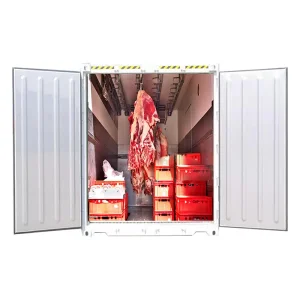
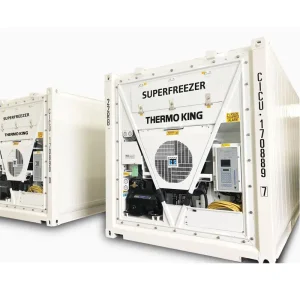
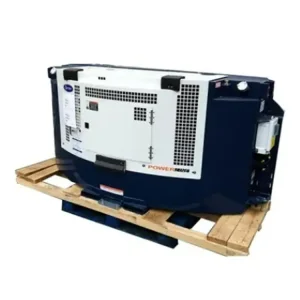
Active refrigeration requires millimetric precision across internal thermal bridges. Our high-cube reefer containers incorporate cold air delivery through lower extruded T-section flooring, cycling pressurized air upwards through cargo stows to ensure zero thermal hot spots. For hanging meat logistics, overhead longitudinal stainless steel rails with reinforced ceiling sub-frames support swinging carcasses up to 18,000 kg total payload without roof deflection. Integrated diesel generator sets provide continuous 460V 3-phase autonomous power during trans-continental railway and cross-border trucking hauls.
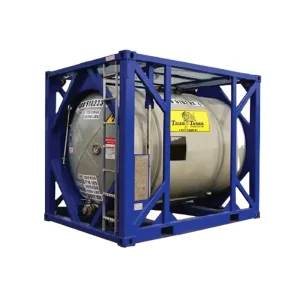
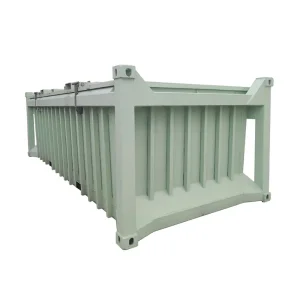
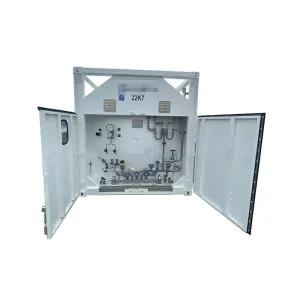
Bulk transport of industrial bitumen, raw asphalt, and cryogenic industrial gases requires complex internal thermal management. 20ft heated asphalt containers integrate longitudinal corrugated flame tubes or high-efficiency electrical heating grids paired with rockwool exterior insulation blankets, keeping asphalt liquefied at 160°C to 180°C for instantaneous pumping at job sites. Cryogenic T75 ISO tank containers utilize dual-wall austenitic stainless steel vessels separated by multi-layer vacuum insulation (MLI) to maintain liquid nitrogen, LOX, and LNG at temperatures as low as -196°C under low boil-off rates (BOR < 0.15% per day).
Global decarbonization has spurred exponential demand for specialized ISO containers housing Grid-Scale Battery Energy Storage Systems (BESS), hydrogen electrolyzers, and data computing modules. Structural modifications include structural steel C-channel floor grillage supporting high-density lithium iron phosphate (LFP) racks exceeding 35 tons total mass, ceiling-mounted aerosol fire extinguishing piping, thermal break blast relief panels, and dual redundant HVAC ducting systems ensuring internal temperatures remain within +/- 2°C operating tolerances.
China manufactures over 90% of global ISO intermodal dry and refrigerated containers. Understanding supply chain mechanics, raw material sourcing, and factory acceptance criteria is critical for commercial success.
The concentration of specialty metallurgy, high-strength cold-rolled coil mills (Baosteel, Shougang), automated seam welding machinery, and polyurethane foaming plants within the Bohai Rim (Tianjin) and Yangtze River Delta (Suzhou, Shanghai) creates an unassailable economies-of-scale advantage. Buyers eliminate multi-tier contractor margins by sourcing direct from industrial export hubs located less than 100 km from major deepwater shipping berths.
A crucial trend in global container acquisition is Shipper Owned Container (SOC) optimization. Rather than deadheading empty newly constructed or used containers overseas via costly ballast positioning, procurement directors orchestrate "One-Way Cargo Free Use" agreements. Containers are stuffed with dry commercial export merchandise in China and delivered directly to the client's destination port (Rotterdam, Durban, Houston, Santos), effectively reducing net transoceanic shipping fees to near-zero.
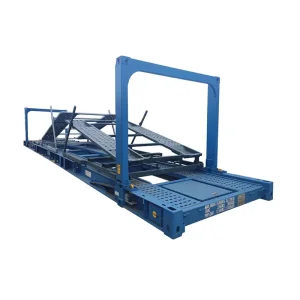
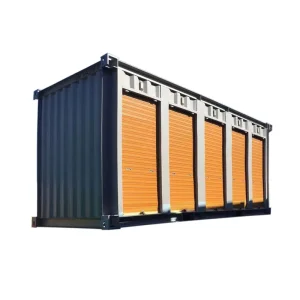
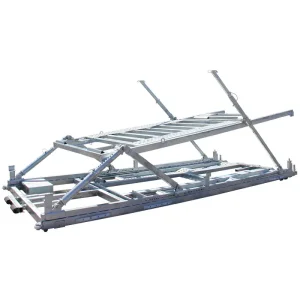
Historically, Chinese state-owned yards demanded minimum run orders of 50 to 100 units. CIMIC and modern advanced flexible fabricators have revolutionized the engineering cycle by supporting boutique OEM/ODM builds from single prototype units for customized battery containers, mobile water purification units, roll-up door mini-storages, and automotive transport cassette frames, backed by full 3D SolidWorks and FEA structural simulation reports.
Navigating international maritime and intermodal conventions requires uncompromising quality standards, third-party classification certifications, and meticulous testing protocols.
Every newly manufactured container designed for ocean freight is constructed strictly in accordance with ISO 668 (series 1 freight containers classification, dimensions and ratings) and ISO 1496-1 (specification and testing of dry cargo containers). Each unit leaves the paint bay bearing a corrosion-resistant stainless steel CSC safety approval plate (International Convention for Safe Containers 1972) stamped and certified by IACS members such as Bureau Veritas (BV), Lloyd's Register (LR), or China Classification Society (CCS).
Containers deployed in dynamic marine lifting zones cannot rely on standard ISO corner castings. Offshore dry and refrigerated boxes comply with DNV GL standards, requiring specialized low-temperature Charpy V-notch impact-tested structural steels (-20°C to -40°C), magnetic particle inspection (MPI) of critical structural full-penetration welds, certified pad eyes welded to primary corner posts, and pre-rigged 4-leg slings with master links.
To resist prolonged atmospheric exposure to marine salinity (ISO 12944 Corrosivity Category C5-M), interior and exterior coatings undergo automated multi-stage shot blasting to Swedish standard Sa 2.5. Substrates are primed with zinc-rich epoxy primers, followed by high-build epoxy intermediate coatings and weather-resistant polyurethane topcoats, achieving an overall Dry Film Thickness (DFT) between 120μm and 150μm for extended operating lifespans.
The confluence of artificial intelligence, telematics telemetry, lightweight nano-metallurgy, and ecological regulations is reshaping modern container development.
Tomorrow's refrigerated containers are smart nodes within an AI-driven intermodal web. Next-generation containers incorporate embedded BLE mesh sensors throughout the interior cargo floor, continuously sampling localized temperature gradients, relative humidity, oxygen/CO2 concentrations, and ethylene degradation. Integrated satellite and 5G cellular modems transmit real-time diagnostic alerts, executing autonomous defrost cycles and refrigerant leak diagnostics before cargo spoilage occurs.
Global climate accords and European F-Gas regulations are driving the phase-down of hydrofluorocarbons (HFCs). Chinese research institutes and CIMIC engineering teams are pioneering commercialization of ultra-low Global Warming Potential (GWP) natural refrigerants, such as Carbon Dioxide (R-744 / CO2 transcritical systems), alongside bio-based foaming insulations and 100% waterborne epoxy coating primers that mitigate volatile organic compounds (VOCs) during factory application.
Every kilogram saved on tare weight directly translates to increased revenue payload capacity for transport logistics operators. Next-generation high-cube designs leverage advanced thermo-mechanically rolled micro-alloyed steels, reducing tare weight by 12% to 15% while exceeding ISO stacking tests of 86,400 kg (equivalent to stacking nine fully laden 24-ton containers on ocean vessels in heavy seas).
Clear, authoritative guidance on specifications, structural certifications, logistics arrangements, and customization options for international procurement managers.
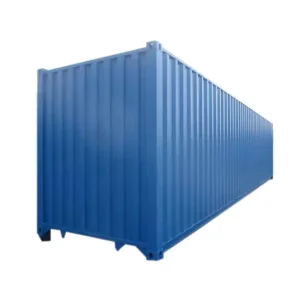
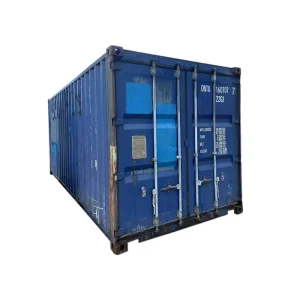
Standard dry ISO cargo containers (20ft and 40ft) feature a 28mm thick 19-ply hardwood or composite bamboo plywood floor bolted to cross-members. The floor is engineered to withstand front-axle forklift loads up to 5,460 kg in accordance with ISO 1496-1. The maximum permissible gross mass (R) for modern units is standardly rated at 30,480 kg (67,200 lbs), yielding net payload capacities of roughly 28,250 kg for 20ft units and 26,700 kg for 40ft High Cubes.
An active reefer container incorporates an electrically driven compressor refrigeration unit (such as Carrier, Thermo King, or Daikin) requiring a 380V/460V 3-phase power supply to actively pull down and maintain temperatures from -30°C up to +30°C. An insulated passive container contains no mechanical cooling apparatus; it uses thickened polyurethane walls (75mm to 100mm) to isolate cargo from external temperature fluctuations, ideal for shorter intermodal hauls of confectionery, pharmaceuticals, or wine.
Every newly constructed export container is supplied with an official Classification Society Certificate (from Bureau Veritas, DNV, or CCS), CSC Safety Approval Plate, customs inspection manifest, and manufacturer's Certificate of Conformance. For hazardous or offshore units, pressure vessel ASME U-Stamp dossiers, IMDG T-Code certifications, and Charpy impact mill test certificates are provided.
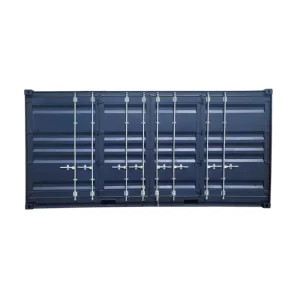
Yes. Full OEM/ODM manufacturing allows full-length side-opening double doors without center pillars for unencumbered long-cargo access, heavy-duty commercial roller shutter doors for retail self-storage facilities, reinforced ceiling monorails, anti-spill retaining bunds, explosion-proof louver vents, and pre-welded mounting unistruts for data racks and inverter battery banks.
All structural ISO container frames, corrugated wall panels, corner posts, and cross-members are fabricated using SPA-H Corten atmospheric corrosion-resistant steel. Corten develops a dense, self-healing oxide patina when exposed to air, significantly slowing oxidation rates. Coupled with an automated Sa 2.5 blast cleaning and a 3-coat marine epoxy/polyurethane paint system, our containers withstand rigorous ocean transit for decades.
Used shipping containers retired from major steamship fleets are inspected across multiple Chinese ports (Tianjin, Qingdao, Shanghai, Ningbo). Units are categorized under IICL (Institute of International Container Lessors) or Cargo Worthy (CW) criteria, verifying wind and watertight integrity (WWT), light-leak inspections, door gasket elasticity, locking rod operation, underfloor cross-member soundness, and valid CSC plate validity.
Explore our specialized inventory of DNV certified offshore boxes, side-door storage units, automotive transport cassettes, and cold-storage reefer modules.