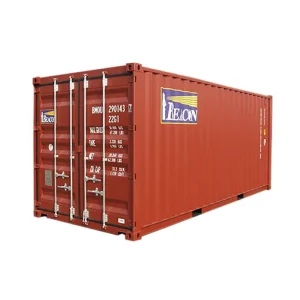
Direct manufacturer deployment from Tianjin and regional seaport depots. Factory-inspected under ISO 1496/1 and CSC international seaworthiness protocols.
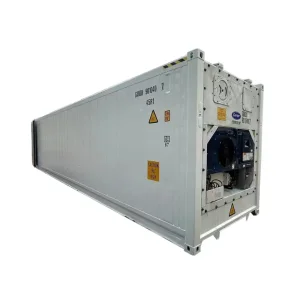
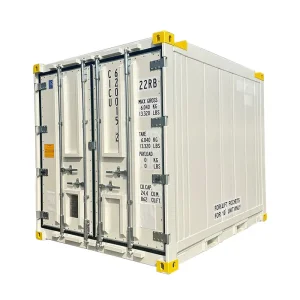
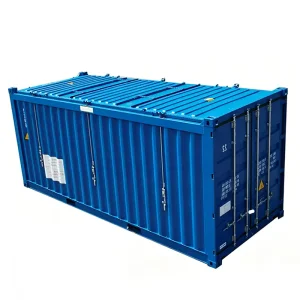
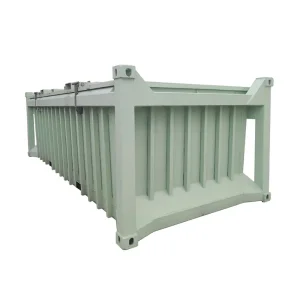
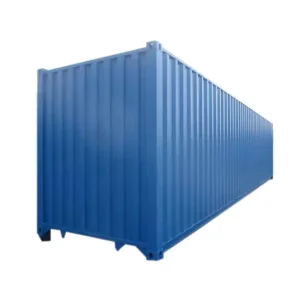
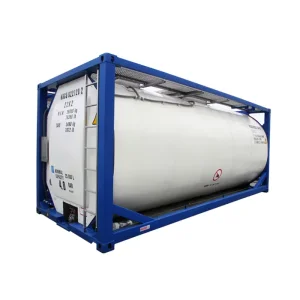
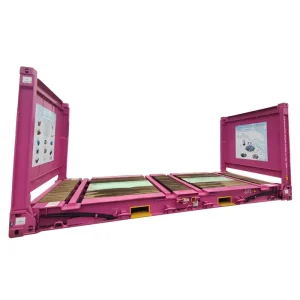
In global intermodal logistics, container capital expenditure (CapEx) fluctuates on dynamic input vectors: Corten-A (SPA-H) structural steel mill spot rates, marine-grade zinc epoxy coatings, advanced microchannel coil availability, and global port terminal imbalances. Below is the procurement benchmark synthesized across North China manufacturing clusters, audited against FOB Tianjin, Qingdao, and Shanghai exit pricing.
| Container Model & Type | Standard Dimensions (L×W×H) | Tare / Max Payload | Structural Material / Standard | Factory FOB Range (USD) | Production Lead Time |
|---|---|---|---|---|---|
| 20ft Standard Dry Cargo (GP) | 20' × 8' × 8'6" (6,058 × 2,438 × 2,591 mm) | 2,230 kg / 28,250 kg | SPA-H Corten Steel / ISO 1496-1 | $1,650 – $2,100 | 7 – 12 Days |
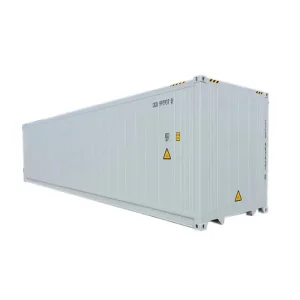
| 40ft High Cube Dry Freight (HC) | 40' × 8' × 9'6" (12,192 × 2,438 × 2,896 mm) | 3,900 kg / 28,600 kg | SPA-H Corten Steel / ISO 1496-1 | $2,750 – $3,450 | 10 – 15 Days |
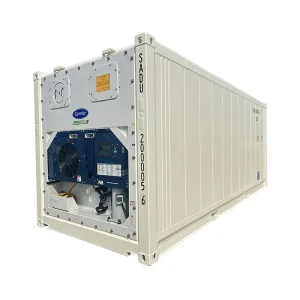
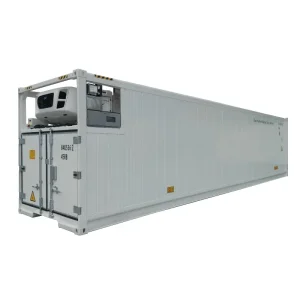
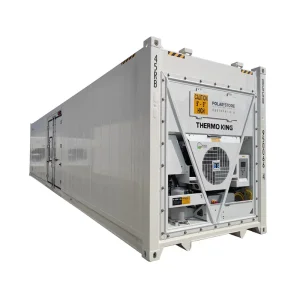
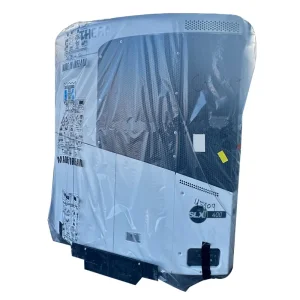
| 40ft High Cube Reefer (Active) | 40' × 8' × 9'6" (Carrier / Thermo King) | 4,480 kg / 29,520 kg | SS 304 Inner, MGX Corten Outer, PU Foam | $12,800 – $17,500 | 15 – 25 Days |
| 20ft ISO Chemical Tank (T11) | 20' × 8' × 8'6" (21,000L – 26,000L) | 3,650 kg / 32,350 kg | 316L Stainless Steel Vessel / ASME VIII | $14,200 – $19,800 | 20 – 30 Days |
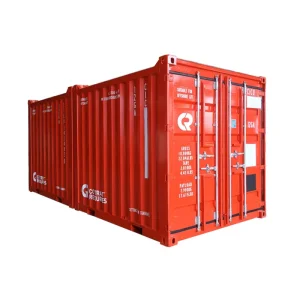
| DNV 2.7-1 Offshore Dry Cargo | 10ft / 20ft Certified Rig Skids | Customized Tare / High Dynamic Load | Low-temp Impact Grade Steel (-20°C charpy) | $4,800 – $8,900 | 18 – 25 Days |
| 45ft High Cube Pallet Wide (PW) | 45' × 8'2" × 9'6" (Railway Dedicated) | 4,780 kg / 29,220 kg | High-Tensile Corten / UIC 592 Intermodal | $4,100 – $5,200 | 12 – 18 Days |
Procurement Strategy Advisory: Volume orders exceeding 50 TEU qualify for direct steel roll-binding discounts at factory gates. Used reefer and cargo containers (Cargo Worthy / CW or IICL-5 certified) offer 40% to 60% CapEx reduction, suited for static on-site cold storage and non-vessel secondary domestic distribution.
China accounts for over 90% of global intermodal shipping container fabrication. This industrial dominance is grounded in integrated metallurgy clusters, automated continuous roll-forming lines, and strategic coastal logistics infrastructure centered across the Bohai Rim (Tianjin, Hebei), Yangtze River Delta (Suzhou, Shanghai), and Pearl River Delta hubs.
Every structural framing element, corrugated side panel, and corner post is cold-formed from authentic JIS G3125 SPA-H alloy. When exposed to ocean salt spray, it forms a dense, self-healing protective copper-phosphorus oxide patina, preventing structural delamination under prolonged high-humidity transit.
Factory lines integrate dual-torch tandem robotic welding gantries delivering flawless CO2 shielded bead penetration. Pre-assembly shot blasting hits SA 2.5 cleanliness, removing mill scale to guarantee maximum bonding for automated zinc-rich epoxy primers.
Production hubs in Tianjin and Suzhou are located within 100 kilometers of major container terminals (Tianjin Xingang, Shanghai Port). This slashes inland drayage, guarantees seamless empty container repositioning, and mitigates port-gate congestion delays for foreign trade EPC contracts.
Global logistics equipment deployment requires unyielding adherence to statutory safety frameworks. Containers failing verification risk port impoundment, catastrophic stack collapse, or severe structural failure at sea. Our quality engineering processes cover total conformity with worldwide classification societies.
Every export container is stamped with a certified International Convention for Safe Containers (CSC) plate, validating structural integrity under 9-high fully loaded stacking tests (192,000 kg racking load).
Offshore open baskets, ore containers, and tool cabins undergo Charpy V-notch impact testing at -20°C, offshore pad-eye drop tests, and dynamic lifting certification for harsh North Sea or Gulf operations.
Built with tamper-evident locking cams, continuous door seal gaskets, and customs sealing apertures complying with the Customs Convention on the International Transport of Goods Under Cover of TIR Carnets.
Third-party manufacturing quality surveys and factory audits conducted by Bureau Veritas (BV), Lloyd's Register (LR), China Classification Society (CCS), or American Bureau of Shipping (ABS).
Beyond structural safety, localization extends into climatic adaptation. For arctic or Scandinavian sub-zero routes (-40°C), steel grades are specified to Q345E/Q355ND with certified low-temperature toughness. For Middle Eastern desert corridors, high-reflectance IR barrier topcoats and heavy-duty 4-vent configurations mitigate condensation ("container sweat") and internal heat soak.
Modern shipping containers have outgrown basic point-to-point sea freight. Multi-industry convergence has transformed standardized steel modules into engineered assets for critical global infrastructure, industrial extraction, and specialized intermodal routes.
40ft and 45ft pallet-wide containers engineered for rapid gantry crane transfers between standard (1,435 mm) and broad (1,520 mm) gauge bogies across Kazakhstan and Poland corridors, handling extreme ambient swings from +45°C to -45°C.
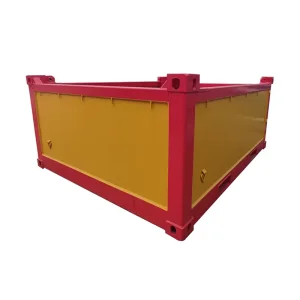
Half-height heavy ore skips with internal tie-down lugs, reinforced floor sills, and DNV slings designed for concentrated, ultra-dense payloads (bauxite, lithium concentrate, drill cuttings) subjected to high dynamic surge forces on offshore support vessels (OSVs).
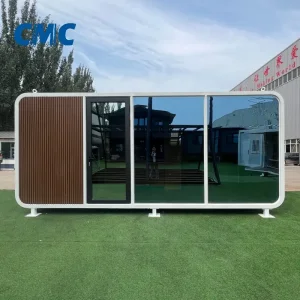
ISO corner-casting structural frames modified into off-grid battery energy storage systems (BESS), mobile hyperscale compute pods, and plug-and-play prefab workforce accommodation, engineered for rapid containerized transport without special road permits.
The container manufacturing sector is transitioning through three seismic shifts: autonomous IoT telematics integration, zero-GWP natural refrigerants, and structural metallurgical lightweighting designed to maximize intermodal payload efficiencies.
Modern reefers and dry freight boxes integrate door sensor telematics, real-time cargo temperature loggers, vibration monitors, and solar-harvested battery transmitters. Fleet operators track microclimates and seal integrity globally via API cloud dashboards.
Driven by F-Gas regulations and ESG mandates, legacy R-134a units are giving way to low-GWP drop-in alternatives (R-513A) and next-generation transcritical natural CO2 (R-744) units, delivering zero ozone depletion and deep-freeze capacity down to -35°C.
Advancements in 700 MPa yield strength micro-alloyed steels enable down-gauging corrugated side walls from 1.6 mm to 1.2 mm without compromising impact or buckling safety margins. This sheds 300+ kg of tare weight, translating to massive cumulative bunker savings.
Technical, regulatory, and commercial answers compiled by senior container engineers and export logistics managers.
Every legitimate container leaves the factory with a riveted stainless steel CSC safety approval plate showing the manufacturer's identification, approval reference (e.g., BV, ABS, LR, CCS), timber treatment declaration (Australia Quarantine TCT), and date of manufacture. Buyers receive certified factory test reports verifying stacking, racking, floor strength, and weatherproof tightness tests conducted according to ISO 1496/1.
Active refrigerated containers (reefers) integrate an electric scroll or reciprocating compressor cooling system (Carrier, Thermo King, Daikin) requiring 380V/440V 3-phase shore or clip-on generator power to actively sustain temperatures from -30°C to +30°C. Thickened foam insulated containers are non-powered passive thermal envelopes lined with 75mm–100mm high-density polyurethane foam. They prevent sharp temperature drops or heat spikes during short-haul feeder runs, domestic rail transit, or static chemical storage where dynamic cooling is unnecessary.
Standard ISO 20ft and 40ft dry containers typically have no strict MOQ if sourced from rolling factory stock runs; custom dimensions (e.g., side-door opening, open-top hard roofs, customized internal racking, or specialized offshore tool skips) carry an economic production batch run of 2 to 5 units to offset robotic tooling calibrations. Standard builds ship in 10 to 18 working days; specialized certified offshore units require 20 to 30 days including Charpy material tests and third-party surveyor witness stamping.
"One-Way" (or "New") containers are manufactured in China, loaded with a single commercial cargo consignment to destination ports (e.g., Rotterdam, Los Angeles, Melbourne), and immediately released to the buyer. They exhibit pristine paint, zero rust, and pristine marine plywood flooring. "Cargo Worthy (CW)" containers are decommissioned shipping line assets (typically 10 to 14 years old) that remain structurally intact, wind and water tight (WWT), with valid CSC plates, but exhibit exterior aesthetic blemishes, minor panel denting, and surface oxidization at 50% lower cost.
Our standard marine container coating follows a rigorous 3-coat heavy-duty industrial specification: (1) Zinc-rich epoxy shop primer (minimum 25–30 microns DFT), (2) High-build epoxy intermediate tie-coat (40–50 microns DFT), and (3) Polyurethane or chlorinated rubber weather-resistant topcoat (40 microns DFT). Total dry film thickness (DFT) reaches 110–130 microns, delivering superior resistance against salt fog, UV chalking, and chemical splash.
Engineered for mission-critical cold chains, high-cube rail distribution, offshore oilfield supply, and scalable modular applications.