
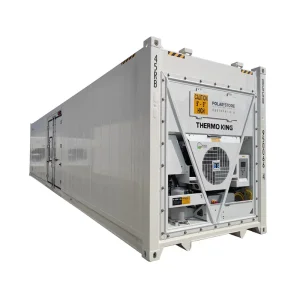
Engineering Industrial-Grade Intermodal, Reefer, DNV Offshore, and Modular Architectural Structures with Precision Chinese Manufacturing.
Factory-direct specialized container units engineered for maritime shipping, subsea logistics, cold-chain transport, and remote modular shelter deployments.
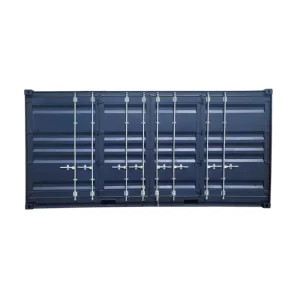

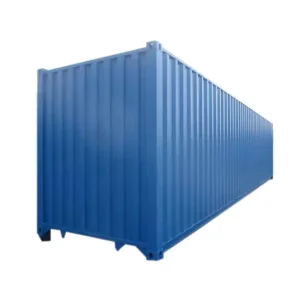
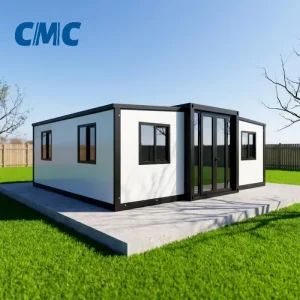
Modern container engineering has transitioned far beyond standard corrugated steel shipping boxes. Today, global supply chains and heavy industries demand highly specialized modular enclosures that act as mission-critical mobile infrastructure.
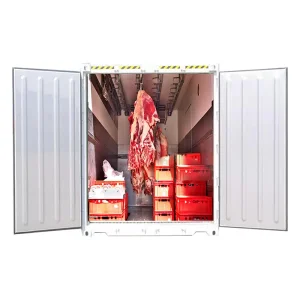
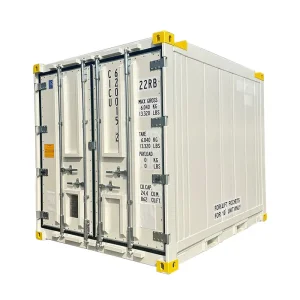
The expansion of international fresh meat, seafood, and pharmaceutical corridors has driven massive investment into controlled-atmosphere reefer containers. Equipped with Carrier, Thermo King, and Daikin machinery, these systems preserve delicate perishables with precise micro-climate management down to -35°C.
Battery Energy Storage Systems (BESS) represent the fastest-growing sector for modified ISO shipping containers. Structural frames are engineered with custom thermal breaks, seismic bracing, automated Novec 1230 fire suppression, and liquid cooling channels to house megawatt-scale lithium-ion arrays globally.
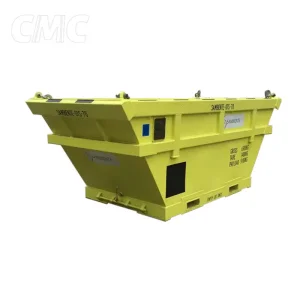
Harsh marine environments demand strict adherence to DNV 2.7-1 / EN 12079 offshore certification. Offshore baskets, silt carriers, and pressurized control cabs must endure extreme wave impacts, sub-zero dynamic stresses, and corrosive salt-fog while guaranteeing secure cargo transfer to deep-water platforms.
China produces upwards of 90% of the world's intermodal shipping and special containers. Operating from our dual manufacturing clusters in Tianjin and Suzhou, CIMIC delivers unmatched cost performance, speed, and engineering precision.
Our proximity to North China’s premier metallurgical mills guarantees unhindered access to certified SPA-H weathering corten steel. This vertical raw material integration insulates buyers from global price volatility while preserving the structural longevity required for CSC maritime approval.
Our in-house CAD and FEA structural engineering teams provide turnkey design modification. Whether buyers need customized side-open door apertures, reinforced heavy platform chassis, or specialized roof-access roll-up systems, models transition from blueprint to production line in record time.
Both the Tianjin Free Trade Zone facility and Suzhou production grounds are located within roughly 100 kilometers of deep-water marine container terminals. This spatial advantage slashes overland drayage costs, prevents port gate congestion delays, and simplifies SOC (Shipper Owned Container) cargo-one-way export runs.
| Container Classification | Structural Metallurgy | Thermal / Mechanical Insulation | International Standard Testing | Common Deployment Scenarios |
|---|---|---|---|---|
| ISO Dry Cargo (20ft / 40ft HC) | SPA-H Corten Anti-Corrosion Steel | Optional 50mm PU/Rockwool Panels | ISO 1496-1, CSC, BV, Lloyd's Register | General freight, rail transit, intermodal shipping |
| Active Reefer Container | SUS304 Stainless Interior / MGX Exterior | High-Density Injected Polyurethane Foam | ISO 1496-2, TIR, ATP Cold-Chain Cert | Seafood, frozen meat, pharmaceuticals, flowers |
| Offshore Basket & Box | EN 10025-S355 Structural Steel | Marine epoxy paint + zinc thermal spray | DNVGL-ST-E271, EN 12079, IMO MSC 860 | Subsea drilling rigs, heavy offshore tooling transport |
| Modular Living & Utility Pod | Galvanized Light Gauge Steel Framework | A1 Fire-Rated Mineral Wool / Glasswool | CE Structural Code, AS/NZS Standards | Mining camps, remote worksites, temporary clinical hubs |
From localized mining corridors in Australia to cold-chain logistics in Africa and urban prefab builds in Europe, specialized container fabrications are revolutionizing operational scalability.
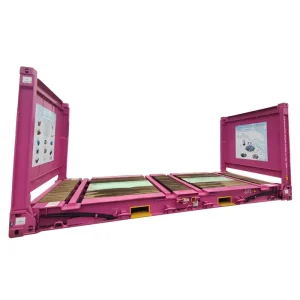
Expandable and flat-pack container structures are redefining disaster relief, military encampments, and eco-tourism resorts. Fully pre-fitted at the factory with integrated plumbing, electrical circuitry, and thermally broken glazing, these systems assemble on-site in hours without heavy masonry trades.
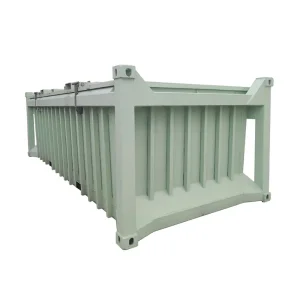
Specialized half-height ore containers equipped with mechanical tipping lids streamline the transport of copper concentrate, nickel, and iron ore from remote pits to maritime ports. The low center of gravity prevents tipping during fast rail operations and simplifies bulk crane-tipping discharge.
Industry 4.0 has introduced smart IoT sensors into modern container fleets. Solar-powered GPS trackers, door-breach laser tripwires, humidity alarms, and real-time reefer temperature telemetry transmit encrypted status packets via satellite directly to corporate procurement dashboards.
Procuring fleet-scale container assets from Chinese manufacturers demands rigorous quality verification, classification society audits, and strategic freight coordination.
Verify that the factory maintains active QA certifications with recognized maritime authorities such as Bureau Veritas (BV), ABS, or DNV. Never finalize an industrial order without ensuring a CSC safety plate with unexpired validation stamps is attached to the left rear door.
Enterprise buyers must evaluate repositioning logistics. Utilizing "One-Way Cargo Load" (SOC) programs allows new containers to carry commercial freight to their destination market, effectively offsetting empty ocean haulage fees and maximizing capital allocation efficiency.
For harsh marine or chemical environments, specifications must mandate zinc-rich epoxy primers with minimum 120-micron dry film thickness (DFT). Ultrasonic testing (UT) and magnetic particle inspection (MPI) should be performed on primary load-bearing corner casting weld beads.
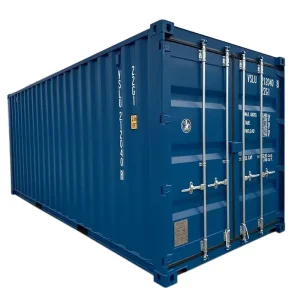
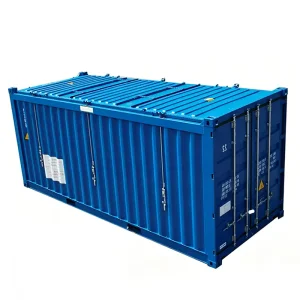
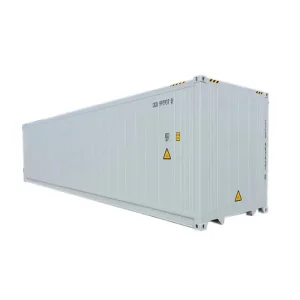
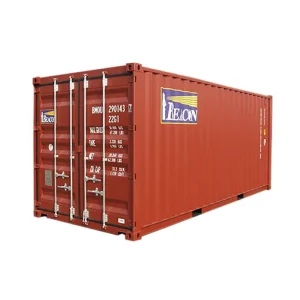
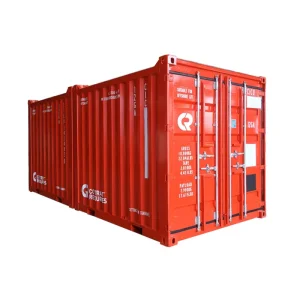
Discover our comprehensive lineup of open-top, multi-door, bulk transport, and refrigerated storage solutions manufactured under stringent ISO and BV protocols.
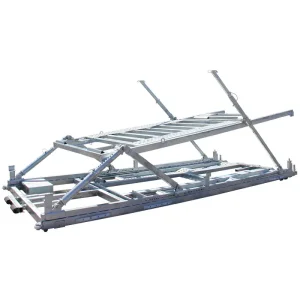
Key engineering, regulatory, and logistics questions answered by our chief container structural engineers.