
Thermal Spec
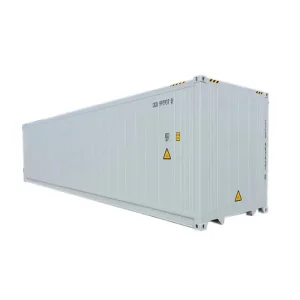
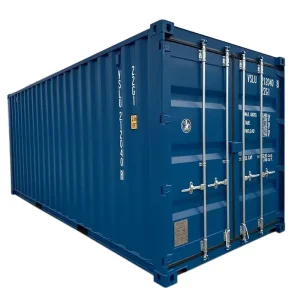
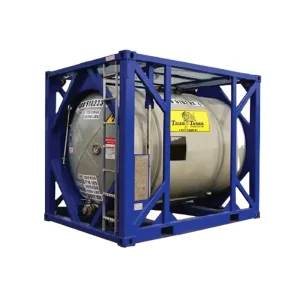
CSC safety approved ocean dry boxes, thickened thermal insulation units, and cryogenic ISO tanks engineered for extreme intermodal transport routes.


An engineering analysis of modern global trade corridors, decarbonization mandates, and technical procurement demands across North America, Europe, Africa, and Latin America.
Global shipping lines and leasing conglomerates operate under relentless exposure to atmospheric salinity, heavy deck-stack compressive weights, and multi-tier torsional twisting. Sourcing high-grade SPA-H atmospheric corrosion-resistant Corten steel is now mandatory for longevity exceeding a 15-to-25-year operational lifecycle.
The modern reefer and ISO tank market is shifting toward autonomous intelligence. Cargo owners no longer accept data blindness across transoceanic routes. Factory-installed dual-band satellite/GSM transponders deliver real-time atmospheric readings, internal gas composition metrics, and power status directly to fleet dashboards.
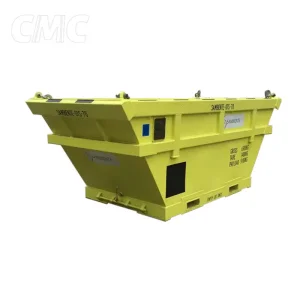
Deep-sea energy exploration demands structural certifications drastically stricter than basic ISO/CSC standards. Dynamic wave impacts and crane transfers onto supply vessels necessitate dynamic offshore container frameworks complying comprehensively with DNV 2.7-1 / EN 12079 guidelines for structural impact containment.
How robotic automated assembly lines, coastal steel integration, and dedicated harbor staging hubs optimize production velocity and eliminate overland freight risk.
From corrugated side-wall stamping to high-speed submerged arc robotic welding of container corner castings, Chinese manufacturing centers utilize automated tooling systems that guarantee absolute geometric parallelism, eliminating diagonal tolerances that risk intermodal crane locking failures.
Situated around 100 kilometers from the Tianjin and Suzhou terminal hubs, newly manufactured dry vans, flat racks, and ISO reefers can be positioned directly into wharf container depots (CY) within 3 hours of final coating bake cycles, avoiding secondary inland transit costs and rail bottlenecks.
Every standard dry box, modular apple cabin pod, and high-pressure chemical tank container leaves the shop floor backed by complete class documentation. Bureau Veritas (BV) type approvals ensure complete acceptance by all global marine insurance syndicates and port customs authorities worldwide.
Explore our verified used storage units, customized side-loading reefers, roll-up architectural containers, and cryogenic liquid tankers.
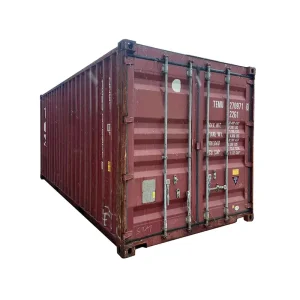
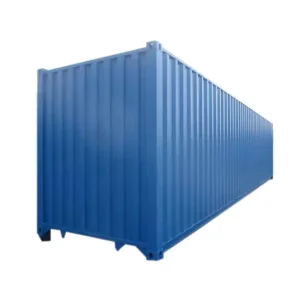

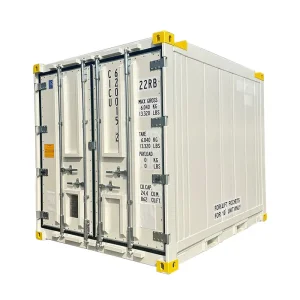
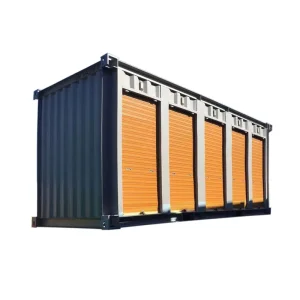
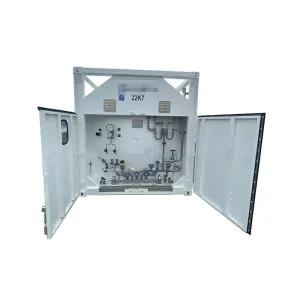
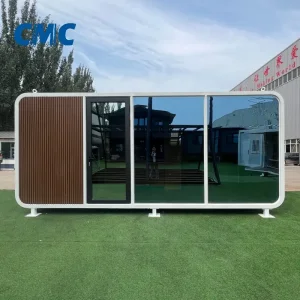
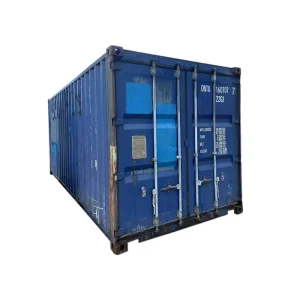
Matching standardized structural dimensions and specialized door designs to localized logistics bottlenecks across international operations.
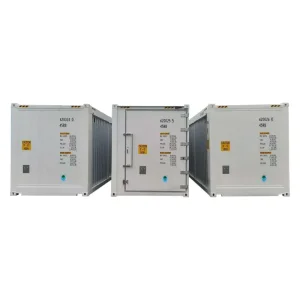
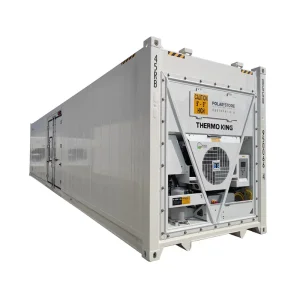
For fresh meat, seafood, pharmaceutical, and high-value fruit transit, precise temperature stability within ±0.25°C is vital. We supply 20ft and 40ft High Cube reefers equipped with high-efficiency scroll compressors, integrated dehumidification systems, and stainless-steel interior walls that meet global sanitary regulations.
Standard rear-loading containers create terminal delays when moving heavy, non-palletized or oversized industrial components. Our customized side-opening containers, roll-up shutter configurations, and double-ended door boxes enable rapid dual-forklift staging, cutting turnaround times by up to 60%.
Extreme construction sites, subsea energy terminals, and agricultural distribution depots require rapid structural shelter. Our flat-pack prefabricated units and modified insulated boxes function as weatherproof field offices, cold-storage rooms, and durable equipment housings ready for plug-and-play installation.
Authoritative insights straight from our marine container engineering team to help you navigate specifications, documentation, and fleet deployment.