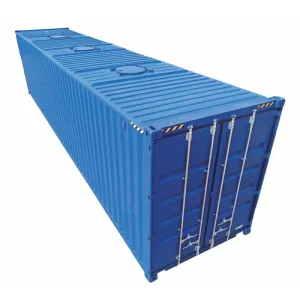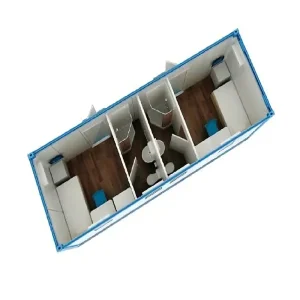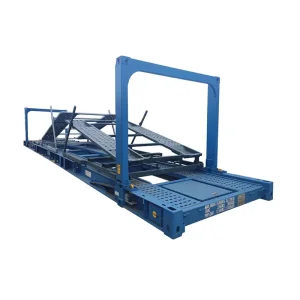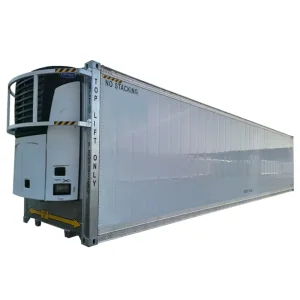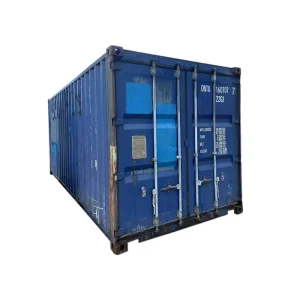
Engineered cold-storage, offshore modules, and intermodal transport units rigorously validated under CSC, ISO, and BV standards.
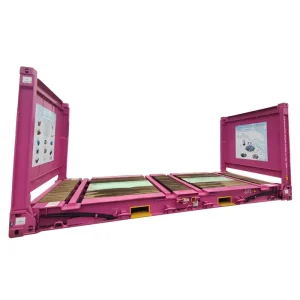
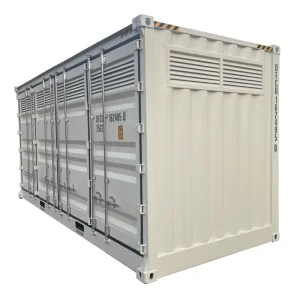
A comprehensive examination of aerodynamic flooring, cryogenic core layering, and active gas balance inside intermodal refrigerated architecture.
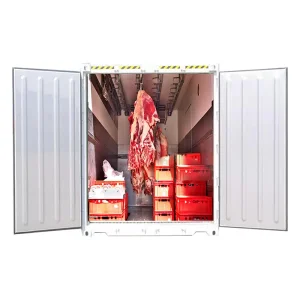
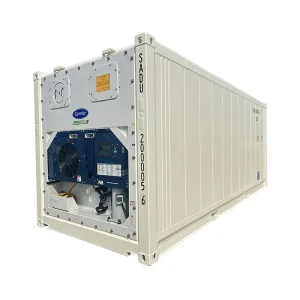
When assessing the engineering integrity inside modern reefer containers, mechanical performance is governed by continuous thermodynamic stability, uniform airflow diffusion, and structural defense against environmental vapor diffusion. Inside an industrial reefer container, convective heat exchange takes place primarily across extruded aluminum T-bar flooring profiles. These T-sections serve as critical floor ducting channels, delivering forced, conditioned air along the base of the entire stowage footprint. The cold air discharges upward through the cargo stows via forced circulation, counteracting natural cargo respiration and thermal transference through the roof and perimeter wall panels.
Engineering Core Note: Standardized T-bar cross-sections must maintain an aerodynamic hydraulic diameter capable of delivering an internal airflow velocity in excess of 4,000 m³/h at high static pressures. Inadequate ducting dimensions or cargo loading beyond the designated red line on the interior panel surface induces immediate dead zones, provoking rapid cargo sublimation or localized condensation spikes.
Surrounding the interior load envelope is an advanced composite sandwich wall structure. The inner liner typically features food-grade, non-reactive SUS 304 or mirror-finish stainless steel panels, designed to withstand rigorous high-pressure sanitized chemical washes without risking corrosion or bacterial harborage. Directly vacuum-injected behind these stainless wall barriers is high-density, closed-cell polyurethane (PU) rigid foam insulation, blown using non-ozone-depleting cyclopentane formulations. The overall insulation thermal conductance (K-value) must reliably remain below 0.38 W/(m²·K) across a 15-year service lifecycle, ensuring thermal leakage into the cargo cabin remains nominal even under ambient desert environments surpassing +50°C.
High-tensile extruded aluminum T-profiles maximize volumetric airflow rates, maintaining uniform laminar air diffusion across both 20ft and 40ft long cargo blocks without boundary-layer stalling.
Controlled Atmosphere (CA) module compatibility permits dynamic nitrogen purging and active CO2/O2 proportioning, suppressing biochemical decay in high-value biopharmaceutical and biological shipments.
Thermal bridging elimination is accomplished through structural high-impact PVC thermal isolators placed directly between external Corten-A corner posts and internal stainless frameworks.
How the worldwide transition toward automated tracking and stringent biological transport mandates is redefining refrigerated container specifications.
Modern fleet controllers mandate cloud-connected sensor arrays measuring interior core temperatures, relative humidity levels, door seal contact closures, and unit compressor power frequencies via satellite-GSM cellular modules.
Regulatory adherence to Kigali Amendment guidelines has forced the conversion to ultra-low Global Warming Potential refrigerants (R-513A, R-452A, and transcritical CO2 R-744), paired with permanent magnet variable frequency scroll drives.
Good Distribution Practice (GDP) protocols necessitate calibrated multi-point interior RTD sensors throughout the reefer body, eliminating warm spots to guarantee safe transit of vaccines, insulin, and clinical biological therapies.
How supply chain executives evaluate total cost of ownership (TCO) across cooling architecture, insulation longevity, and payload economics.
Evaluating initial unit capital investment against operational kilowatt-hour draw during transoceanic routes. Advanced microchannel condenser coils slash energy draw by up to 28% over conventional fin-and-tube units.
Containers must carry valid convention approvals: CSC Safety Approval, TIR Customs seals, ATP thermal efficiency class compliance, and Bureau Veritas (BV) marine survey validation before deployment.
High-cube 40ft units require reinforced door gaskets with multi-lip EPDM compression seals. Corner casting thermal isolation gaskets prevent ambient heat ingress through structural lifting nodes.
Options such as double-deck cargo beams, meat hang tracks, side open doors, and removable bulkhead dividers allow global freight forwarders to optimize mixed-temperature stowage configurations.
Combining 40+ years of industrial legacy with robotic automation, high-pressure PU foaming halls, and immediate deepwater seaport proximity.
CIMIC’s advanced container fabrication bases in Tianjin and Suzhou leverage automated continuous production lines designed to eliminate standard dimensional variances and welding vulnerabilities. High-precision laser-cutting gantries and automated robotic MIG/TIG welding cells secure the assembly of weather-resistant Corten-A structural steel framing, which is pre-treated through full surface shot-blasting to SA 2.5 purity before entering computerized zinc-rich epoxy paint application tunnels.
For reefer production lines, precision-metered high-pressure automated polyurethane injection rigs inject insulation foam directly between the outer steel sheathing and the interior stainless lining inside temperature-controlled curing jigs. This hydraulic tooling prevents micro-void formation, securing structural bond integrity and consistent insulation density (minimum 42 kg/m³) throughout the floor, side panels, and ceiling assemblies. Situated merely 100 kilometers from primary deepwater container ports in Tianjin, our logistics footprint avoids lengthy domestic rail links, enabling accelerated factory-to-ship deployment and prompt container tracking dispatch.
Computer-governed PU injection tooling guarantees zero voids, preventing moisture condensation within the structural core that causes catastrophic insulation degradation.
Direct connectivity to North China's leading international shipping hubs reduces inland drayage, cuts carbon footprints, and secures expedited export documentation.
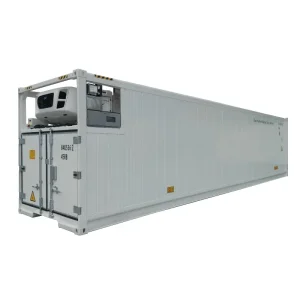
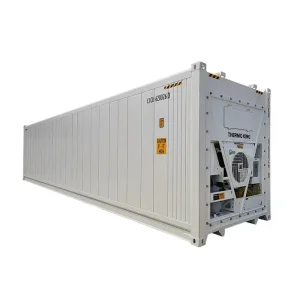
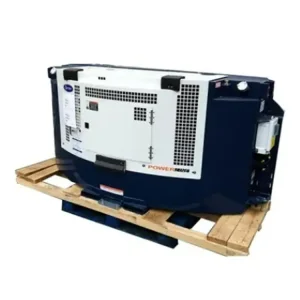
Seamless factory fitting and testing of refrigeration systems from Carrier Transicold, Thermo King, and Daikin, factory-calibrated before departure.
Deploying specialized reefer and intermodal containers across diverse geographical, maritime, and continental logistics chains.
Perishable produce such as bananas, avocados, and berries demand active gas composition management inside the container. CA systems maintain O2 at 3-5% and CO2 at 4-7%, halting ripening throughout 25-day maritime crossings.
Deployed across the Silk Road and Belt & Road freight corridors, 45ft high-cube diesel-electric hybrid reefer containers operate autonomously across wide seasonal temperature fluctuations (-45°C to +40°C).
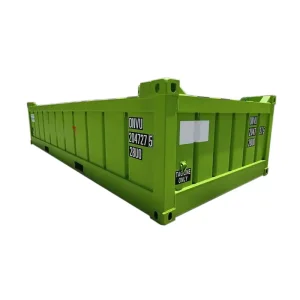
Engineered under DNV 2.7-1 / EN 12079 structural standards, offshore reefers provide critical food and temperature-sensitive core sample storage on drilling platforms, featuring certified padeyes and sling sets.
In-depth responses regarding inside reefer airflow design, power configurations, and structural certifications.
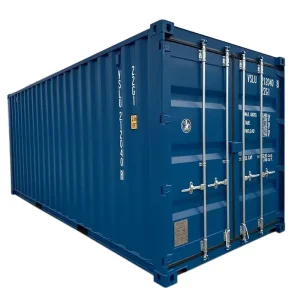
Complete your fleet deployment with bulk handling, railway reefers, open-top units, and customized intermodal containers.