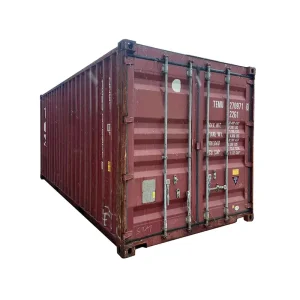
Engineered for harsh maritime exposure, stack integrity, and multi-modal intermodal transit. Explore our certified production-line units manufactured to strict CSC, ISO, and BV safety frameworks.
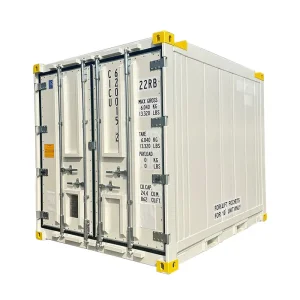

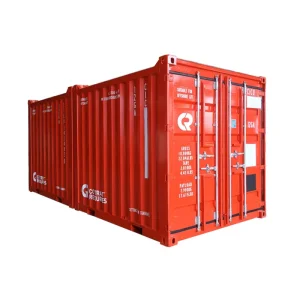
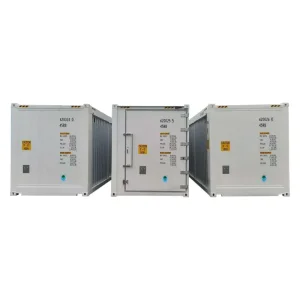
Marine containers constitute more than 90% of global non-bulk cargo carriage. In an era marked by complex global supply chain disruptions and stringent IMO GHG mandates, container fabrication has evolved from basic metalworking into high-precision structural and metallurgical engineering.
Standard carbon steel deteriorates rapidly under marine atmospheric salinity. Modern marine containers require atmospheric corrosion-resistant SPA-H / ASTM A588 Corten steel. This metallurgy develops a self-healing, adherent copper-phosphorus oxide patina that slows oxidation degradation over 25+ year design lifecycles.
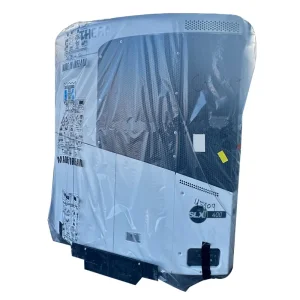
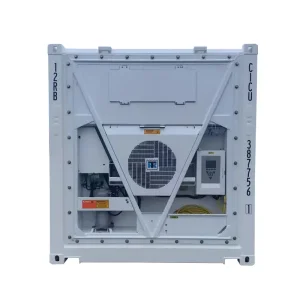
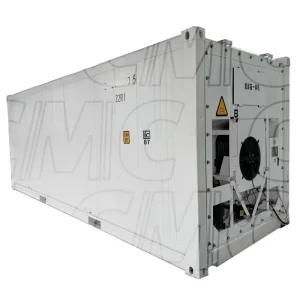
Reefer transport relies on precise thermodynamic stability. Utilizing low-GWP refrigerants (R-452A, R-513A, and natural CO2 systems), high-efficiency scrolled compressor units manufactured by Thermo King, Daikin, and Carrier ensure temperature deviation remains strictly below ±0.25°C across perishable pharmaceuticals and cold-chain cargo.
Unlike shore-bound intermodal boxes, maritime offshore operations demand dynamic load certifications under DNV 2.7-1 / ISO 10855. Frames undergo Charpy V-notch impact testing at -20°C down to -40°C to prevent brittle fracture during offshore vessel crane hoist operations amid heavy sea states.
Why leading shipping consortia, mining groups, and defense operations partner with CIMIC Group for their maritime structural assets.
Operating manufacturing sites strategically situated approximately 100 km from Tianjin Xingang Port significantly cuts inland drayage lead times and transport expenditures. Freshly commissioned containers roll directly from finishing bays straight to dockside cranes.
China accounts for over 85% of global dry and reefer container fabrication. Direct upstream partnerships with major steel mills, standardized corner-casting foundries, and marine epoxy coatings suppliers insulate our production queues from global price shocks.
Every container leaving our automated welding lines holds valid classification paperwork approved by Bureau Veritas (BV) and complies with ISO 1496/1 series standards. Continuous weld seam ultrasound and multi-stage leak tests eliminate maritime risk before sail.
From dense mining corridors in Central Africa to dynamic energy projects across the North Sea and automated supply terminals across Rotterdam and Long Beach.
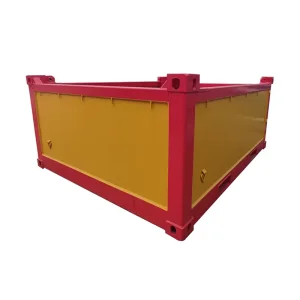
Offshore exploration platforms in the North Sea and Gulf of Guinea require specialized DNV containers, half-height ore bins, and rigging baskets capable of withstanding saltwater immersion, deck shocks, and offshore swing collisions.
European and North American fresh produce distributors use 40ft High-Cube Carrier and Daikin reefer units for transatlantic fruit runs, meat exports, and biopharmaceutical vaccines requiring continuous cold chain telemetry.
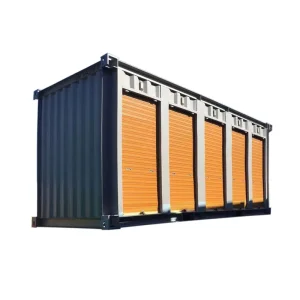
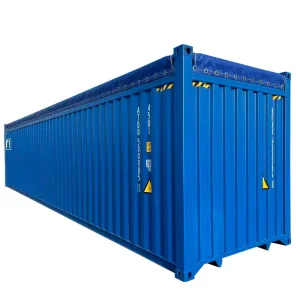
Cross-Eurasian freight railways and inland multimodal hubs demand 20ft and 40ft double-door boxes, side-open containers, and roll-up models that ensure swift gantry transshipment between flatbed railcars and road semi-trailers.
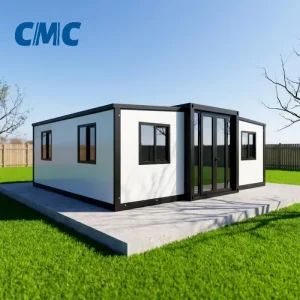
Expandable steel modular containers, high-cube insulated accommodation blocks, and mobile power-generation pods serve as scalable disaster-relief command centers, remote mining camps, and temporary telecom relay nodes globally.
The global container market is rapidly integrating digital twin condition tracking, solar auxiliary power, and rigorous sustainability standards.
Factory-integrated GPS tracking, wireless door-opening sensors, humidity probes, and compressor diagnostic modules transmit real-time performance via cellular and Low-Earth Orbit (LEO) satellite arrays directly to fleet operations dashboards.
To mitigate diesel generator burn rates, our advanced cold storage reefers feature photovoltaic roof integrations coupled with 220V/380V DC inverter micro-compressors, providing substantial fuel savings during remote layovers.
Retired carrier units undergo comprehensive structural restoration, structural realignment, fresh marine coatings, and certified refrigeration bench tests, offering an economical, eco-conscious option for static storage and inland yards.
| Container Classification | Primary Material Standard | Testing & Compliance Authority | Thermal / Load Capacity | Target Industry Application |
|---|---|---|---|---|
| Standard Dry ISO (20ft / 40ft HC) | SPA-H Corten Steel (1.6 - 2.0 mm) | ISO 1496-1, CSC, BV Certified | Max Gross Wt: 30,480 - 32,500 kg | General freight, deep-sea shipping, intermodal rail |
| Refrigerated Container (Reefer) | Stainless interior (MGSS), Corten exterior | ISO 1496-2, TIR, ATP, BV Certified | -35°C to +30°C (±0.25°C stability) | Frozen meats, fresh fruit, pharmaceuticals, chemicals |
| DNV Offshore Cargo Carrier | Structural High-Strength Steel (Z-grade) | DNV 2.7-1, EN 12079, ISO 10855 | Charpy V-Notch Tested at -20°C / -40°C | Offshore drilling rigs, subsea pipe laying, oilfields |
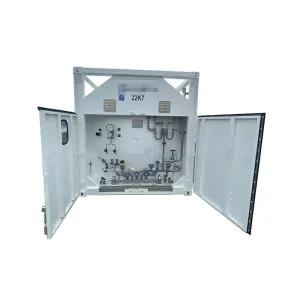
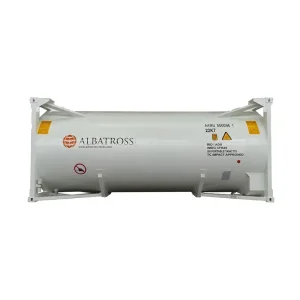
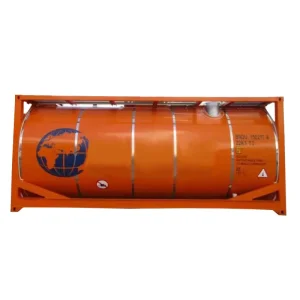
| ISO Liquid & Gas Tank | 316L Stainless Steel / Carbon Pressure Vessel | ASME VIII, IMDG, ADR/RID, BV | 14,000 to 26,000 Liters Capacity | Food liquids, chemicals, LNG/cryogenics, potable water |
Streamlined commercial engineering support from engineering drawings through port customs clearance and final vessel stowage.
Our engineers review payload profiles, floor strength ratings, door dimensions, and refrigeration duty cycles to specify the optimal balance between cost and performance.
Tailored configurations—including roll-up doors, interior partitions, side openings, and custom branding—are mapped out using 3D parametric CAD modeling and structural stress analyses.
During manufacturing, independent inspectors from BV or DNV verify corner casting tolerances, structural weld penetration, and paint thickness (microns).
Positioned minutes from major ports, units can travel as standard ocean freight or carry cargo on their first journey (One-Way Cabotage) to lower delivery costs.
Everything you need to know regarding certifications, production runs, refrigeration machinery, and international transport approval plates.
Heavy industrial transport equipment designed to address irregular footprints, hazardous bulk liquids, cryogenic gases, and remote site cold storage.