Explore our heavy-duty marine, intermodal refrigerated, and offshore modular configurations built to exacting global maritime standards.
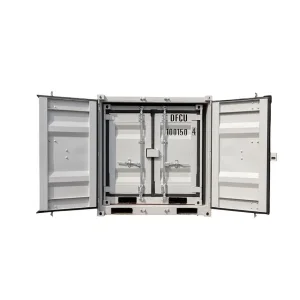
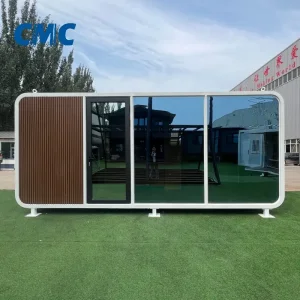

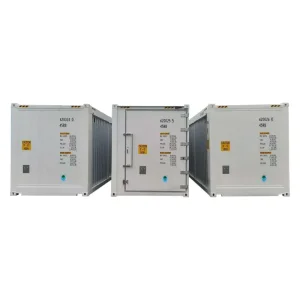
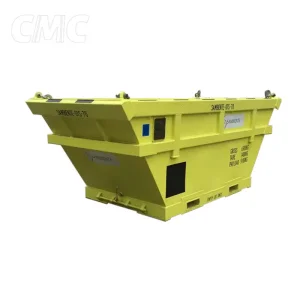
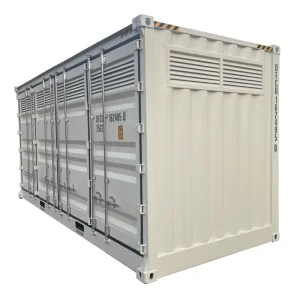
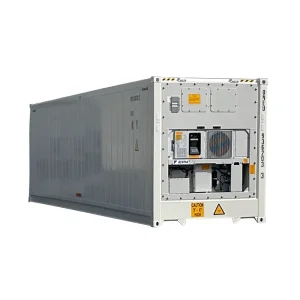
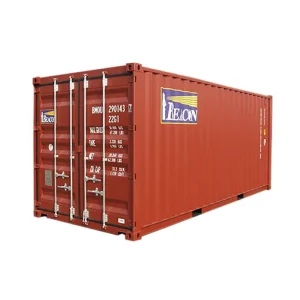
Strategic macro-shifts in perishable food security, biopharmaceutical distribution, and decentralized warehousing are transforming intermodal refrigerated containment into essential industrial infrastructure.
According to the UN Food and Agriculture Organization (FAO), roughly 14% of global food production is lost between harvest and retail. In emerging and developing agricultural markets across Africa, Southeast Asia, and Latin America, the absence of resilient static cold storage at the farm gate results in catastrophic value degradation. Modular containerized cold rooms eliminate this bottleneck by delivering immediate, plug-and-play temperature-controlled staging environments without requiring civil construction permits.
The acceleration of advanced biologics, mRNA therapies, and active pharmaceutical ingredients (APIs) mandates strict Good Distribution Practice (GDP) protocols. Standard industrial warehousing often struggles with micro-zone thermal drift. OEM cold room containers engineered with dual-redundant HVAC circuits, continuous IoT datalogging, and validated thermal envelopes provide pharmaceutical distributors with hermetically sealed quarantine and bulk inventory hold centers capable of sustaining ±0.5°C tolerances.
Traditional brick-and-mortar cold storage facilities incur high capital expenditures, multi-year permitting hurdles, and fixed physical depreciation risks. Containerized cold rooms represent redeployable, scalable balance sheet assets. Enterprise supply chain operators can rapidly expand throughput capacity during seasonal harvest peaks or maritime transshipment surges, subsequently repositioning or leasing the units when demand patterns fluctuate.
Built with Corten anti-corrosion structural steel, food-grade stainless interior linings, and world-class integrated refrigeration plants, our units ensure total thermal continuity under extreme maritime ambient conditions.
Wall, ceiling, and door assemblies are pressurized with ultra-dense, cyclopentane-blown polyisocyanurate (PIR) or polyurethane (PUR) foam insulation (75mm to 120mm core thickness). Thermal conductivity is maintained at λ ≤ 0.020 W/(m·K), drastically suppressing heat ingress even in tropical ambients surpassing +50°C.
We supply factory-integrated, hermetic and semi-hermetic scroll refrigeration machinery from tier-one manufacturers: Carrier Transicold (PrimELINE/ThinLINE), Daikin (LXE10E/Zestia), and Thermo King (Magnum Plus), providing set-point flexibility from -30°C down to -70°C deep freeze.
Proper cold distribution relies on heavy-duty aluminum extruded T-bar or duct-type flooring engineered to withstand dynamic pallet truck wheel loads of up to 5,460 kg. High-static-pressure evaporators circulate chilled air beneath the pallets, upward through the cargo matrix, and return along the ceiling envelope.
Transparent factory-gate pricing brackets based on physical footprint, machinery configuration, thermal rating, and certified condition. Direct from Tianjin seaport staging yards.
| Model / Size | Cooling Unit Config | Operating Temp Range | Typical Payload / Vol | Condition | Indicative Price (USD FOB) |
|---|---|---|---|---|---|
| 10ft Mini Cold Room | Carrier / Daikin Inverter | -25°C to +25°C | 12.5 m³ / ~6,000 kg | Brand New OEM | $8,200 – $11,500 |
| 20ft Standard Reefer | Carrier PrimELINE / Daikin | -30°C to +30°C | 28.3 m³ / ~22,000 kg | Brand New OEM | $11,800 – $15,800 |
| 20ft High-Cube Side Door | Thermo King / Daikin LXE | -30°C to +25°C | 31.0 m³ / ~21,500 kg | Customized Build | $14,500 – $18,900 |
| 40ft High-Cube Cold Room | Carrier PrimELINE Digital | -30°C to +30°C | 67.5 m³ / ~29,500 kg | Brand New OEM | $16,800 – $22,400 |
| 40ft HC Multi-Temp (3-in-1) | Dual Zone Multi-Evaporator | -30°C to +15°C (Zoned) | 63.0 m³ (Partitioned) | Specialized ODM | $22,500 – $28,900 |
| 40ft Ultra-Deep Freezer | Thermo King Magnum SuperFreeze | Down to -65°C / -70°C | 64.0 m³ / ~28,000 kg | Cryo-Grade New | $32,000 – $41,000 |
| 40ft HC Used Reefer | Carrier / Daikin / TK Certified | -25°C to +25°C | 67.0 m³ / Fleet Retired | 90% New PTI Checked | $5,800 – $8,900 |
Initial acquisition cost represents merely 20–25% of a cold storage container's 15-year lifecycle expense. The paramount variable is electrical efficiency. Our integration of digital scroll compressors and tight insulation yields an average power reduction of 2.8–4.2 kW/h compared to legacy reciprocating setups, preserving thousands of dollars annually in operational power overhead.
Every newly constructed or certified second-hand unit undergoes exhaustive 120-minute Pre-Trip Inspection (PTI) routines. Systems are stress-tested across pull-down cycles from +30°C ambient to -20°C core temperature, verifying refrigerant charge pressures, thermostatic expansion valves, defrost heating cycles, and insulation thermal bridge integrity.
Situated within 100 kilometers of the major maritime terminals in North China (Tianjin Port), CIMIC guarantees rapid, streamlined container gate-in and vessel berthing. This close proximity mitigates inland drayage surcharges, protects units from transit vibration stress, and accelerates export customs clearance for international consignees.
Our cold storage container systems comply with mandatory global conventions for maritime carriage, pressure vessels, food hygiene, and structural offshore lifting.
Every unit carries a valid International Convention for Safe Containers (CSC) safety plate issued by classification societies such as Bureau Veritas (BV) or CCS. This certifies stackability up to 9-high fully loaded containers on board container vessels.
For specialized offshore oilfield, exploration platform, and subsea logistics deployment, we manufacture certified DNV 2.7-1 cold containers featuring dynamic offshore lifting pad eyes, non-destructive tested welds, and crash-rated structural frames.
Compliance with the Agreement on the International Carriage of Perishable Foodstuffs (ATP). Classified as FRC (Heavily Insulated Mechanically Refrigerated), ensuring cross-border transit legality across European and Central Asian logistics networks.
Inner linings are fabricated using anti-microbial MGSS (Muffler Grade Stainless Steel) or food-grade SUS304. Smooth interior surface geometry enables complete high-pressure washdown and steam sterilization, eliminating bacterial accumulation zones.
From deep-sea fishing terminals to inland pharmaceutical cold chains, our OEM cold rooms are tailored for harsh climatic and operational environments.
Deployed directly at dockside ports in West Africa and Northern Europe. Fitted with blast freezer packages and heavy-duty 4.0mm diamond aluminum checker-plate flooring to resist salt brine corrosion, enabling immediate deep freezing of tuna and pelagic catches at -35°C.
Installed across fruit orchards and vegetable farms in East Africa and South America. Equipped with high-airflow evaporators to rapidly pull sensible heat out of freshly harvested avocados, berries, and cut flowers before intermodal maritime transit.
Configured with dual independent cooling circuits (duty + standby), integrated UPS backup, and automated nitrogen purge systems. Utilized by European healthcare distributors for temperature-sensitive vaccine storage with full 21 CFR Part 11 datalogging.
Delivered to remote sites in Australia, Central Asia, and Africa. Built with desert-grade condenser coils, sand filtration hoods, and multi-compartment layouts featuring freeze, chill, and dry ambient storage accessible via interior partition butcher doors.
Anticipating environmental regulatory mandates (F-Gas, Kigali Amendment) and the digital transformation of intermodal fleet operations.
Real-time cellular/satellite modems delivering continuous monitoring of interior temperatures, supply air, return air, ambient conditions, GPS geolocation, power consumption, and proactive fault code alerts via cloud APIs.
Transitioning toward low-GWP natural refrigerant architectures, specifically transcritical CO2 systems (Carrier NaturaLINE and equivalent) with GWP=1, future-proofing fleets against escalating synthetic chemical bans and carbon taxation.
Machine-learning sensor arrays analyze coil frost accumulation rates dynamically instead of using fixed timer intervals, decreasing defrost cycle energy consumption by up to 28% while stabilizing container core temperatures.
Roof-integrated bifacial photovoltaic arrays coupled with lithium iron phosphate (LiFePO4) battery buffer units, enabling autonomous, zero-emission off-grid operation for up to 72 hours in remote agricultural regions.
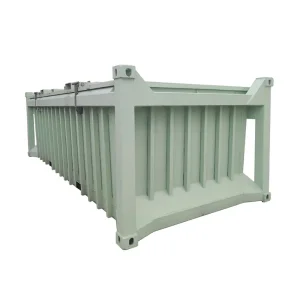
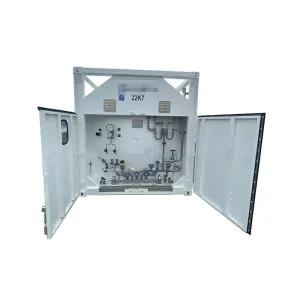
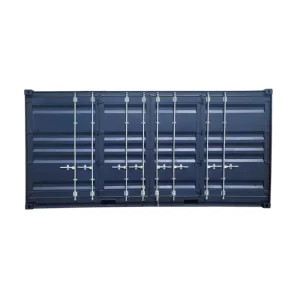
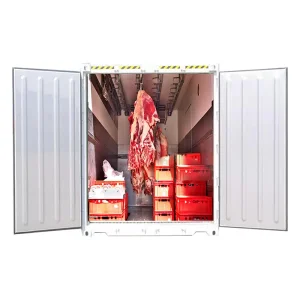
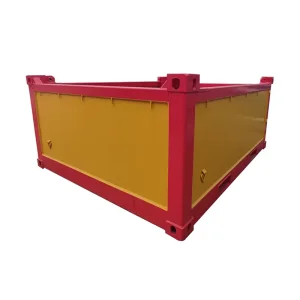
Comprehensive containment solutions ranging from cryogenic tanks and meat hanging systems to DNV offshore equipment.
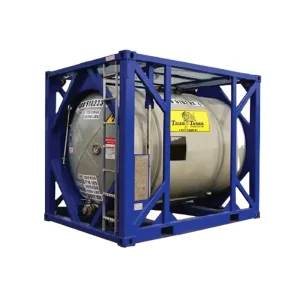
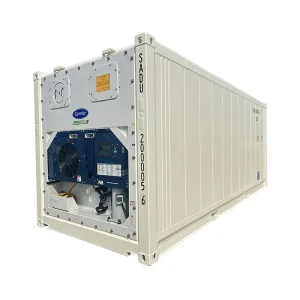
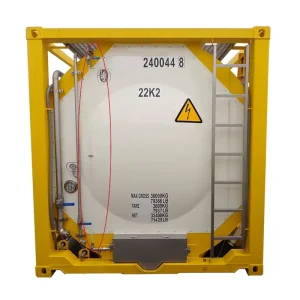
In-depth responses covering engineering parameters, power compatibility, lead times, and factory-level customization for commercial importers.
Standard marine reefer machinery requires 380V/460V 3-Phase 50/60Hz AC utility power with a 32 Amp CEE-form plug connection. For facilities with only 220V single-phase or 208V three-phase feeds, we engineer custom step-up transformers or integrate autonomous diesel gensets (clip-on or underslung mounts from Thermo King / Carrier) providing standalone operation during transit or in remote yards.
An insulated container is a passive thermal thermal barrier with thickened foam walls that slows heat transfer but has no active cooling mechanism. An OEM cold room container integrates a dynamic refrigeration plant with continuous microprocessor temperature regulation, defrost heater rods, dynamic air circulation, and humidity modulation, maintaining exact target set-points from -30°C to +30°C regardless of external ambient heat.
We provide full OEM modifications including roof-integrated stainless steel hanging meat rails (capable of supporting dynamic hanging carcass loads up to 15,000 kg), internal LED vapor-proof lighting, interior safety man-trap release push-rods, secondary thermal PVC strip curtains, anti-slip textured aluminum flooring, and localized internal partition bulkheads to create dual-temperature chill and freeze zones within a single 40ft container chassis.
For standard catalog configurations (20ft and 40ft High-Cube with Carrier or Daikin refrigeration), the MOQ is 1 unit, with stock units ready for vessel loading at Tianjin Port within 7–10 days. Customized OEM/ODM builds—such as multi-door side openings, bespoke meat-rail retrofits, or explosion-proof offshore DNV modifications—typically carry an MOQ of 1–2 units with production cycles spanning 20 to 35 working days.
Every pre-owned container in our fleet undergoes an extensive Pre-Trip Inspection (PTI) following strict IICL (Institute of International Container Lessors) structural standards. Refrigeration machinery is audited by certified Carrier/Daikin technicians. We supply comprehensive structural inspection sheets, computerized temperature data logs, and detailed HD photographic validation of interior linings, door seals, and floor condition prior to dispatch.
Yes. All of our containers can be registered as Shipper Owned Containers (SOC). With a valid CSC plate and classification society inspection certificate (BV, CCS, or ABS), buyers can load dry or temperature-controlled goods inside the unit at origin ports, effectively offsetting international shipping freight costs by eliminating empty positioning deadhead.
Connect directly with our manufacturing engineering division in Tianjin to configure your dimensions, refrigeration capacity, and door layouts with immediate B2B volume pricing.
Reach our technical sales and logistics department directly for vessel schedules, export clearance documentation, and custom CAD drawings.
To accelerate your technical quote, please provide the following operational parameters:
Our engineering team reviews project specifications within one business day, providing certified CAD drawings and full CIF shipping quotes.
