Engineered to CSC safety thresholds and rigorous marine classification norms. Explore primary fleet models deployed across transatlantic, transpacific, and inland intermodal networks.
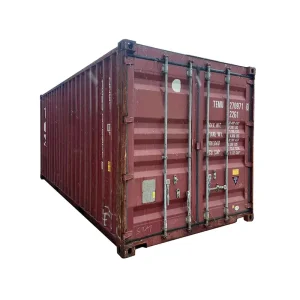
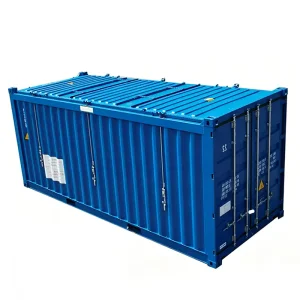
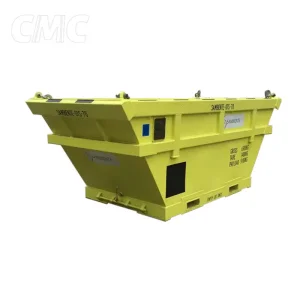
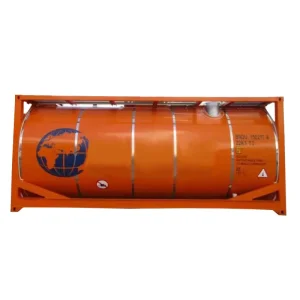
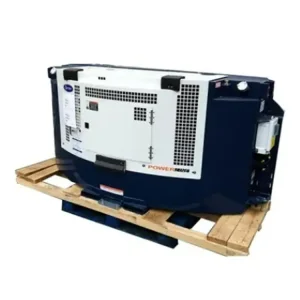
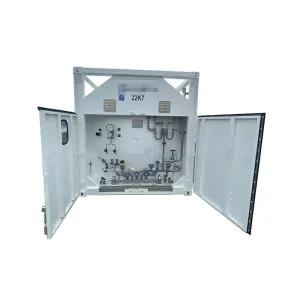
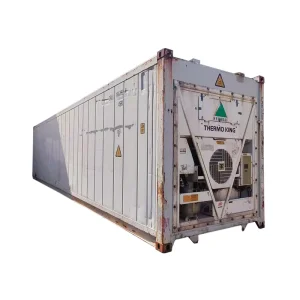
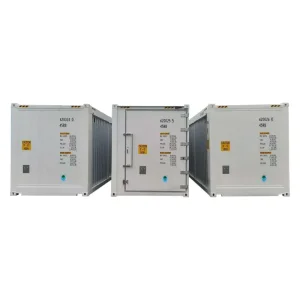
Over 90% of global intermodal equipment originates in China. Discover how our integrated metallurgic ecosystems, coastal port access, and precision robotics minimize capital expenditures while extending operational lifespan.
Direct integration with premier domestic blast furnaces secures high-grade SPA-H weathering steel. Its passivation layer retards salt-spray atmospheric oxidation, providing structural integrity under continuous oceanic humidity.
Multi-axis automated submerged arc welding systems guarantee seamless corner-casting joins, watertight corrugation seals, and uniform bead profiles, reducing stress fractures during nine-high loaded container stacks.
Our primary production campuses in Tianjin and Suzhou are within 100 kilometers of the world's most active container berths. This geographical adjacency eliminates expensive inland repositioning fees and drayage congestion.
A deep-dive technical analysis for fleet directors, port operators, and EPC project managers seeking to minimize aggregate container lifecycle cost.
In global multimodal transport, calculating the true shipping cost container manufacturer impact requires looking beyond unit factory gate prices (FOB). Strategic procurement involves assessing the Total Cost of Ownership (TCO), an index dictated by initial steel gauge tolerances, paint system dry film thickness (DFT), thermal dissipation coefficients, and maintenance intervals across 15 to 20 years of maritime operation.
Core Procurement Insight: Low-cost non-weathering steels or subpar epoxy coating systems can trigger early rust blooms within 36 months of North Atlantic service. This results in heavy IICL repair expenses, cargo damage claims, and early structural de-rating.
Our Tianjin automated blasting lines subject every steel coil and formed panel to ISO 8501-1 Sa 2.5 shot blasting. This removes mill scale and creates an anchor profile of 25–50 μm. Next, an environmentally conscious waterborne or high-solids zinc-rich primer is electrostatically applied, topped with an epoxy tie coat and an ultra-tough polyurethane or acrylic exterior finish. The complete three-tier cycle delivers a minimum 120–180 μm DFT. This protects against severe ISO 12944 C5-M marine environments, preventing micro-corrosion and cut-edge creep along bottom side rails, gooseneck tunnels, and forklift pockets.
| Container Classification | Standard Dimensional Footprint | Core Structural Metallurgy | Thermal / Payload Capacity | Class Compliance |
|---|---|---|---|---|
| 20ft / 40ft High Cube Dry ISO | 20' / 40' × 8' × 9'6" HC | Corten SPA-H (1.6mm - 2.0mm Walls) | Payload up to 28,480 kg / 76.4 m³ | ISO 1496-1 / CSC / BV |
| Cold-Chain Reefer (Active) | 40' × 8' × 9'6" (Thermo King / Carrier) | MGSS Outer / SUS304 Inner Skin | -35°C to +30°C Precise Inverter Duty | ATP / ISO / CE / TIR |
| DNV 2.7-1 Offshore Unit | 10ft / 20ft / Half-Height / Silt Basket | Charpy Impact Tested Structural Hollow | Dynamic offshore snatch lifting rated | DNV GL 2.7-1 / EN 12079 |
| ISO Tank / T75 Cryogenic | 20ft Frame Standard Footprint | 316L Stainless / Vacuum Multi-Layer | Water, Chemicals, LNG, Liquid Argon | ASME VIII / IMDG / ADR |
In high-cube reefer containers, maintaining exact cargo temperatures while lowering reefer generator fuel consumption depends on uniform insulation foam density. Our foaming process injects 100% CFC-free, high-density cyclopentane-blown polyurethane foam under strict hydraulic temperature monitoring. This yields an exceptionally low K-factor (thermal conductivity ≤ 0.038 W/m²·K), preventing thermal bridging near corner posts and roof junctions.
This thermal performance reduces reefer compressor duty cycles by 18% to 26% under high ambient temperatures (tropical routes). The result is direct savings in kilowatt-hours and diesel generator fuel over extended sea voyages and intermodal rail journeys.
The shipping container market is transitioning from simple steel boxes into intelligent, connected intermodal assets. Explore key technology shifts driving next-generation fleet investments.
Factory-integrated solar-powered transceivers embedded in door gaskets communicate via LTE-M and low-earth-orbit (LEO) satellite constellations. Shippers get continuous real-time data on geo-location, hatch door breaches, shock acceleration, humidity, and temperature.
Refined micro-alloying techniques (using niobium and vanadium) reduce tare weight by up to 340 kg on a 40ft High Cube container while preserving standard stacking shear capabilities. Lower tare weights directly increase usable payload capacity per highway axle load limit.
To meet strict VOC limits and ESG targets, solvent-borne paints are replaced by advanced waterborne systems. Floors use sustainably harvested composite bamboo with high-pressure lamination, replacing tropical hardwood apitong planks.
Different operational environments demand tailored structural designs. See how our containers are engineered for specific operating profiles around the globe.
Offshore drilling platforms and offshore wind installation vessels require containers capable of handling extreme dynamic shock during open-ocean crane lifts. Our DNV 2.7-1 and EN 12079 certified silt baskets and dry containers undergo -20°C Charpy impact testing on steel, pad eyes, and certified four-leg wire rope slings.
Crossing Eurasia via the Belt and Road requires equipment built for extreme continental climates (-40°C Siberian winters to +45°C Central Asian summers) and dynamic rail coupling shocks. Our 45ft high-cube diesel-electric hybrid reefer boxes feature 800L auxiliary fuel tanks, ensuring up to 25 days of uninterrupted autonomous cooling.
Contractors, agricultural operations, and remote facilities frequently need fast, secure, weather-sealed field storage. With options like full-length bi-fold side-opening doors, roll-up shutter access, and insulated three-in-one reefer setups, these units serve as flexible cold rooms or secure tool depots without requiring permanent construction permits.
Mitigating international supply risks requires verifying key engineering standards. Follow this technical audit checklist before approving a manufacturing order.
Ensure each container carries a stainless steel CSC plate showing certified transverse racking (150 kN), stacking capacity (86,400 kg / 190,480 lbs), and side-wall strength in accordance with ISO 1496-1.
Verify that door hinge pins, cam retainers, and lockboxes meet TIR customs theft-prevention standards. Welded fasteners must prevent opening cargo doors without breaking the customs seal bolt.
Confirm Non-Destructive Testing (Magnetic Particle or Ultrasonic Inspection) on all cast steel ISO corner blocks (SCW 480). This ensures there are no internal blowholes or cracks under maximum crane spreader tension.
Conduct a 100% darkroom light-leak test on finished dry containers. Check that the dual-lip EPDM door seals fit securely, preventing seawater splash infiltration and driving rain ingress.
Detailed answers to the structural, logistics, and certification questions international buyers ask most.
Direct procurement cuts out third-party trading margins and gives you direct access to China's domestic raw steel mills (supplying Corten SPA-H). Positioning production near deepwater ports like Tianjin eliminates long-distance inland drayage. In addition, new units can often be exported under "one-way loaded cabotage", carrying revenue cargo on their maiden voyage so buyers incur minimal empty positioning freight.
Standard mild steel (Q235) oxidizes continuously when paint flakes off, developing flaky rust that weakens structural walls. Corten SPA-H weathering steel contains copper, chromium, and nickel alloys. When exposed to maritime air, it forms a dense, adherent patina (passivation oxide layer) that seals the underlying metal and slows atmospheric corrosion up to 4 to 6 times longer than standard carbon steel.
A genuine Cargo Worthy (CW) used container must pass a full IICL (Institute of International Container Lessors) structural inspection. Critical checks include: zero through-wall light penetrations, straight corner posts without severe kinks (less than 25mm out of plane), undamaged corner castings, securely sealing door gaskets with freely turning locking bars, intact crossmembers, and solid marine plywood floors capable of supporting a 5,460 kg axle load test.
We configure our reefer containers with genuine, brand-new marine refrigeration machinery from leading global manufacturers, including Thermo King (Magnum Plus), Carrier Transicold (PrimeLINE), and Daikin (LXE series). Units can be optimized for ultra-low deep freeze (-35°C to -60°C with specialized compressors) or precise fresh-produce controlled atmospheres (CA), all backed by global port service network warranties.
Offshore cargo containers require certification to DNV GL 2.7-1 (Standard for Certification No. 2.7-1 Offshore Containers) and EN 12079. Unlike standard ISO freight boxes, offshore units require steel with verified Charpy V-notch impact toughness tested at -20°C, primary structure calculations accounting for dynamic lift factors (2.0+), NDT-tested lifting pad eyes welded directly into corner posts, and an individually load-tested four-leg certified wire rope sling assembly.
Yes. Our engineering division specializes in turnkey OEM and ODM container customization. We can add full-side bi-fold doors, industrial roller shutters, dual-compartment multi-temperature reefer bulkheads, interior explosion-proof electrical circuits, and heavy-duty steel floors. All custom modifications are reviewed by finite element analysis (FEA) to confirm ISO stacking and racking stiffness before production begins.
Explore additional specialized solutions, including soft-top bulk handlers, cryogenic ISO tanks, and side-access reefer systems designed for complex global freight.
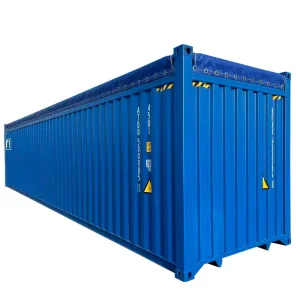
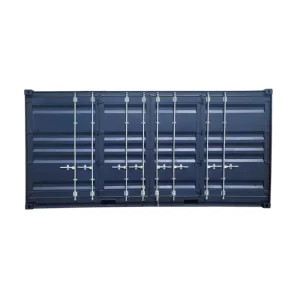
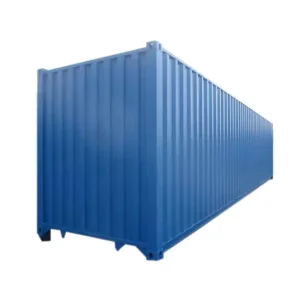
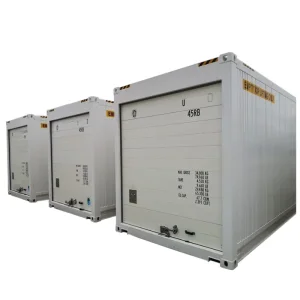
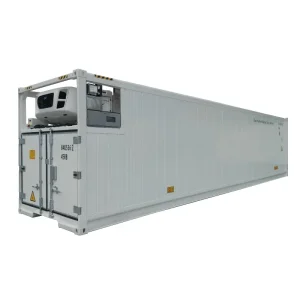
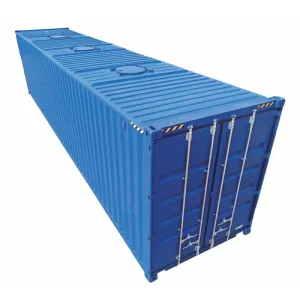

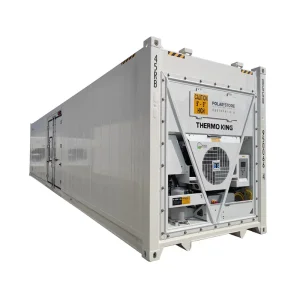
Whether procuring standard 20ft/40ft dry containers, DNV-certified offshore baskets, T75 cryogenic tanks, or customized cold-chain reefers, our engineers provide complete structural calculations, FEA analysis, and port-side logistics support.
Work directly with structural and refrigeration engineers to finalize insulation thicknesses, floor ratings, and refrigeration units for your specific trade lanes.
Full design appraisal documentation and survey certificates issued by Bureau Veritas (BV), ABS, DNV, or CCS, with CSC approval plates pre-mounted at the factory.
Strategic yards in Tianjin, Qingdao, and Shanghai ensure immediate vessel loading, cabotage coordination, and reliable vessel schedule tracking.
