Direct manufacturer supply from our advanced manufacturing bases in Tianjin and Suzhou. Certified to BV, ISO, and CSC global maritime standards with real-time tracking integration.
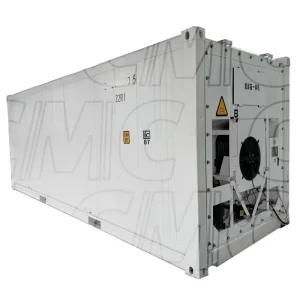
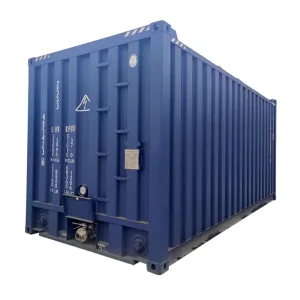

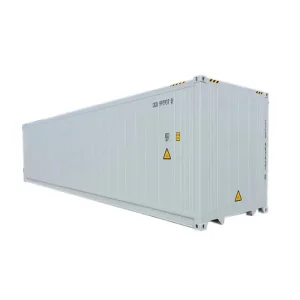
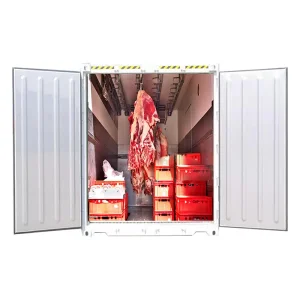
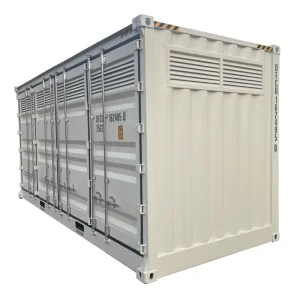
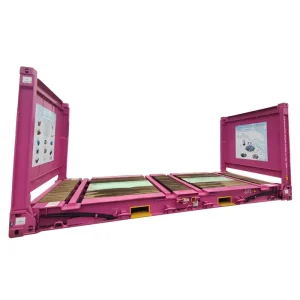
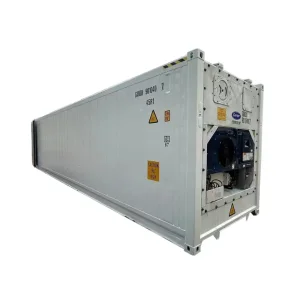
In modern multimodal distribution, the twenty-foot equivalent unit (TEU) is no longer a generic steel box. It is a highly specialized engineering asset fulfilling nuanced operational demands across energy, chemical logistics, cold chain, and modular infrastructure.
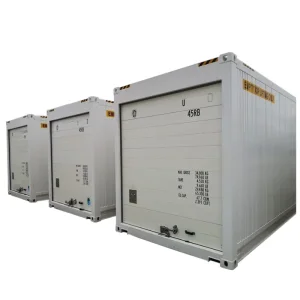
Global logistics managers increasingly choose 20ft ISO intermodal frames over 40ft units when handling high-density commodities such as refined ores, chemical powders, liquid tank bladders, and battery energy storage modules (BESS). The 20ft container concentrates load capacity up to 30,480 kg gross mass without exceeding axle limits.
Mining in the Australian outback, offshore wind platforms in the North Sea, and desert drilling operations in the Arabian Peninsula necessitate anti-corrosive SPA-H Corten steel, marine zinc epoxy coatings, and DNV 2.7-1 dynamic lift compliance to resist structural fatigue and hypersaline corrosion.
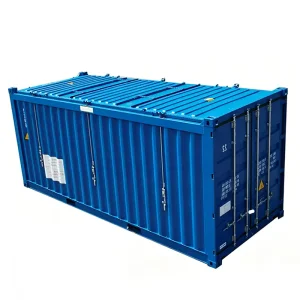
Industrial clients require structural alterations at the factory level: side-access bifold doors, explosion-proof ventilation, heavy-equipment floor reinforcements (such as 4.5mm checkered steel plate or reinforced apitong hardwood), and ISO corner casting alterations for intermodal coupling.
At CIMIC Group (Tianjin Cimic Imp&Exp Co., Ltd.), our engineering division manufactures ISO 668 and ISO 1496-1 compliant containers from our production facilities in Tianjin and Suzhou. Integrating advanced finite element analysis (FEA), we calculate dynamic stress dissipation under intermodal transit, ensuring maximum payload safety during rail humping, maritime heavy seas, and highway vibrations.
Our ODM solutions encompass critical modifications engineered specifically for modern logistics operators:
| Technical Parameter | 20ft Dry Cargo (Standard) | 20ft High-Cube ODM Spec |
|---|---|---|
| External Length | 6,058 mm (20' 0") | 6,058 mm (20' 0") |
| External Width | 2,438 mm (8' 0") | 2,438 mm (8' 0") |
| External Height | 2,591 mm (8' 6") | 2,896 mm (9' 6") |
| Internal Volume | 33.2 m³ (1,172 cu ft) | 37.4 m³ (1,320 cu ft) |
| Tare Weight | 2,180 kg – 2,300 kg | 2,350 kg – 2,520 kg |
| Max Payload (Net) | 28,200 kg | 27,960 kg |
| Steel Specification | Corten SPA-H Anti-Corrosive | High-Yield Corten-A / Steel Alloys |
| Corner Castings | ISO 1161 Standard (8 units) | ISO 1161 Certified E-Beam Tested |
| Floor System | 28mm Marine Apitong / Bamboo | Steel Checkered Plate / Phenolic |
The shipping container is undergoing the most rapid technological leap since Malcom McLean standardized intermodal transit. Our R&D pipeline introduces low-carbon metallurgy, embedded IoT telematics, and circular material lifecycles.
By transitioning to hydrogen-reduced direct reduced iron (DRI) electric arc furnace steel, container structural emissions drop by up to 42%. Ultra-high-strength steel grades reduce tare weight by 180–240 kg per 20ft frame without compromising stacking load capacity (capable of supporting up to 9 high loaded containers at 192,000 kg).
Next-generation 20ft units come pre-wired with recessed solar-powered sensors. Real-time satellite-cellular telemetry continuously reports geofencing coordinates, 3-axis G-force shocks, door opening cycles, ambient humidity, and temperature variations inside refrigerated containers with zero battery replenishment required for 10 years.
To comply with stringent EU REACH protocols and Chinese environmental guidelines, our automated robotic paint lines utilize water-borne zinc-rich primers, waterborne epoxy intermediate coats, and polyurethane topcoats, ensuring 1,500+ hours of ASTM B117 salt spray resistance while eliminating toxic solvent outgassing.
Deploying 20ft ISO containers requires deep technical adaptation to regional infrastructure limits, rail gauges, and trade corridors.
US Class I railroads demand containers capable of handling double-stack intermodal rail car dynamics (AAR M-930 standards). Our 20ft heavy-load configurations withstand rapid slack action and heavy axle rail cars when moving grain, scrap metal, and industrial machinery from coastal terminals to Midwest inland distribution ports.
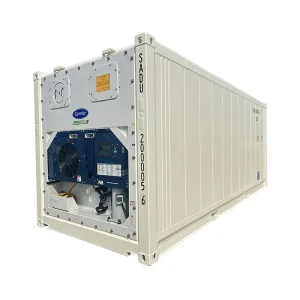
European operators prioritize strict TIR customs sealing compliance, UIC 592 rail registration, and lightweight designs to maximize road transport payloads under 40-tonne tractor-trailer limits. High-Cube 20ft insulated and specialized reefer units provide rapid palletized food transit from Southern Europe to Scandinavian hubs.
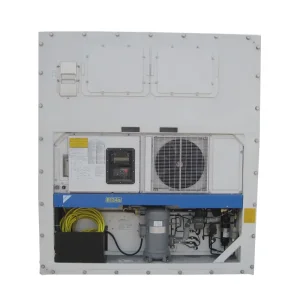
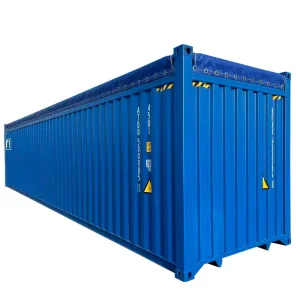
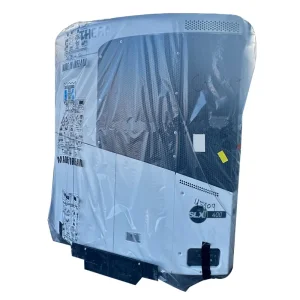
Extreme thermal swings from +50°C midday ambient heat to sub-zero desert nights require reinforced polyurethane insulation, Daikin or Carrier cold units, and durable dust-filtration seals. Mining projects in West and Southern Africa utilize our platform frame and open-top containers for heavy bulk material transport across unpaved inland corridors.
| Certification Body | Standard Reference | Engineering Mandate |
|---|---|---|
| CSC Convention | 1972 Safe Containers | Mandatory safety approval plate for international sea shipping |
| Bureau Veritas (BV) | Rule Note NR550 | Structural welding, NDT testing, steel alloy verification |
| DNV (Offshore) | DNV 2.7-1 / EN 12079 | Dynamic 4-point pad eye lifting, crash frame safety testing |
| ISO Standards | ISO 668, ISO 1496-1 | Series 1 freight containers dimensions, ratings & stacking tests |
| ATP Agreement | UN-ECE Reg. ATP | Insulation K-value verification for perishables transport |
| Customs (TIR) | 1975 Customs Conv. | Tamper-evident door hinges, locking bars, and customs seals |
Entering international maritime commerce demands flawless certification. Every unit leaving our Tianjin manufacturing facility is stamped with a valid International Convention for Safe Containers (CSC) Safety Approval Plate, certified by Bureau Veritas (BV) or other designated classification societies.
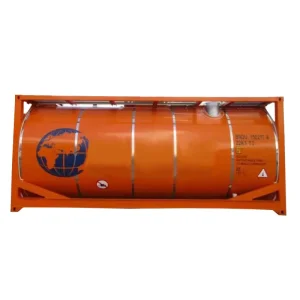
Our quality engineering framework follows strict non-destructive testing (NDT), hydrostatic tests for liquid ISO tanks, and automated 200 kPa water-spray resistance chamber inspections to eliminate any possibility of sea spray intrusion during ocean crossings.
With operational hubs centered just 100 km from Tianjin Xingang port, we coordinate direct factory-to-vessel loading, reducing domestic transit overhead, guaranteeing export paperwork compliance, and minimizing demurrage risk for global fleet buyers.
Expert engineering insights addressing common structural, commercial, and operational queries from enterprise procurement officers.
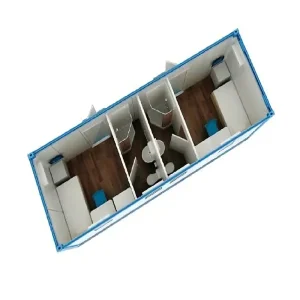
Explore custom refrigeration packages, open-top models, modular dwellings, and bulk liquid transport systems manufactured to exacting tolerances.