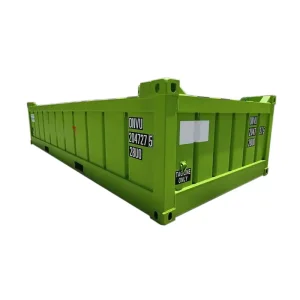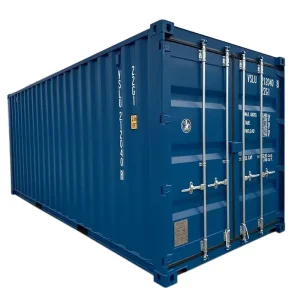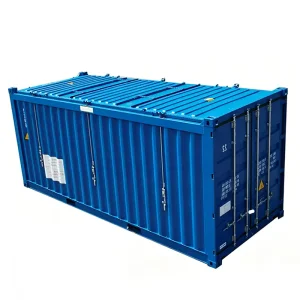
Factory-certified intermodal containers manufactured under BV, ISO, and DNV approvals ready for deployment in dry bulk, liquid tanking, and modular housing sectors.

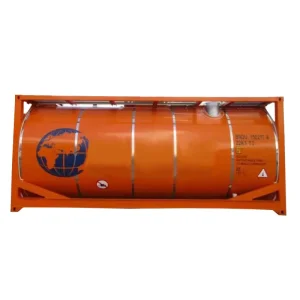
Containerized transit carries over 90% of global non-bulk cargo. As intermodal supply chains encounter geopolitical volatility, decarbonization targets, and digital transformation, standardized and ODM containerization remain central to economic resilience.
The contemporary container market requires strict conformity to ISO 668 and ISO 1496 specifications. Units must withstand 9-high stacking loads (up to 216,000 kg total gross weight at bottom corners) while surviving severe sea-state torsion, shipboard acceleration, and longitudinal rail humping forces.
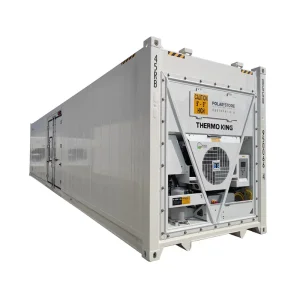
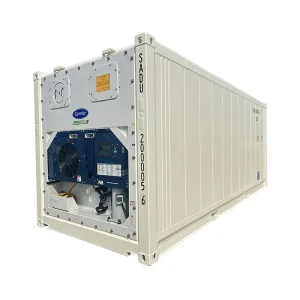
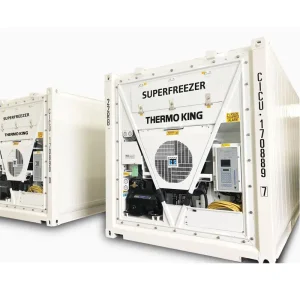
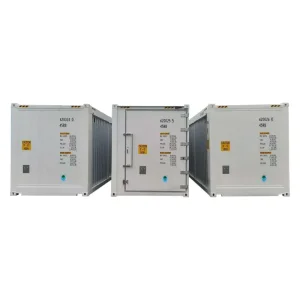
High-value bio-pharmaceuticals, agricultural products, and exotic chemicals mandate integrated smart refrigeration. Units running Carrier Transicold, Daikin, or Thermo King machinery incorporate micro-pulse ventilation, variable frequency drives, and hermetic insulated envelopes engineered for internal temperatures ranging from -35°C to +30°C.
Standard marine dry boxes are ill-suited for the dynamic impact forces of dynamic supply vessel crane transfers in offshore oil, gas, and wind installations. DNV 2.7-1 / EN 12079 structural standards demand specialized low-temperature impact grade structural steels (such as fine-grain micro-alloyed plates) and integrated pad-eye lifting lugs.
Cross-border freight demands strict alignment with maritime security authorities, classification societies, and regional transportation departments. Every structural design undergoes finite element analysis (FEA) and witnessed physical prototype destructive testing.
| Standard / Agency | Technical Scope & Target Metric | Applicable Equipment Class | Testing & Inspection Protocols |
|---|---|---|---|
| CSC (Safety Convention) | International safety approval plate; racking resistance up to 150 kN, 1.8g longitudinal acceleration. | ISO 20ft, 40ft High-Cube Dry Freight | Bureau Veritas (BV) witnessed stacking, racking, end/side wall strength analysis. |
| DNV 2.7-1 / EN 12079 | Offshore container dynamic drop test; Charpy V-notch impact test at -20°C (≥ 27 Joules). | Offshore Cargo Baskets, Reefers, Half-Heights | NDT inspection of primary structure, magnetic particle inspection (MPI) on welds. |
| ASME Boiler Code / IMDG | Pressurized vessel compliance (T-code rating), hydro-testing at 1.5x working pressure. | ISO Tank Containers (Liquid & Gas) | Helium leak detection, hydrostatic pressure test, X-ray radiography on shell joints. |
| TIR / Customs Seal System | Secure transit approval ensuring no cargo can be extracted or introduced without seal rupture. | Side Open, Double Door, Hard Open Top | Customs-approved hinge pin locking systems, tamper-evident handle brackets. |
| ATP Agreement | Thermal insulation coefficient (K-value ≤ 0.40 W/m²·K for heavy insulated equipment). | Reefer & Thickened Foam Insulated Units | Calorimetric tunnel testing, continuous temperature decay telemetry recording. |
From harsh North Sea oil rigs to remote mining roads in Sub-Saharan Africa and high-density European intermodal networks, customized container designs meet precise logistical requirements.
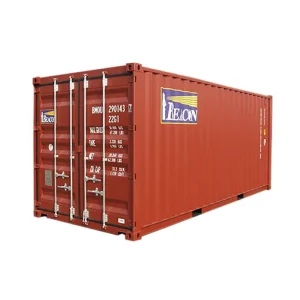
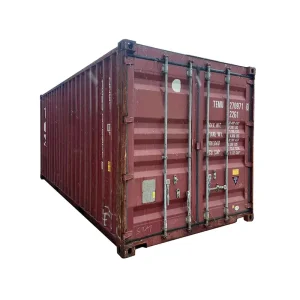
Standardized 20ft and 40ft High Cube containers built with heavy-gauge Corten steel (SPA-H) and zinc-rich epoxy paint systems that withstand high-salinity spray. Integrated lashing rings ensure safe stowage within cellular cargo holds.
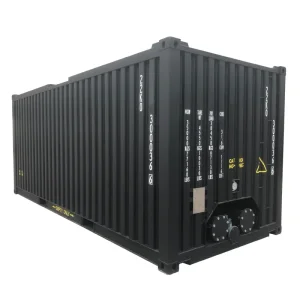
Built to DNV 2.7-1 specifications for North Sea and Gulf of Mexico operations. These units feature integrated 4-part wire rope slings, specialized pad-eyes welded directly to corner structures, and steel tested for low-temperature ductile performance.
Designed for liquid bitumen, asphalt, and specialized chemicals requiring active temperature management during transit. These systems combine internal steam or thermal oil heating tubes with Rockwool insulation jackets.
Deploying precise three-in-one combinations, multi-temperature partitions, and side-opening access. Stainless steel internal wall linings and high-density polyurethane core insulation maintain tight thermal envelopes across transcontinental journeys.
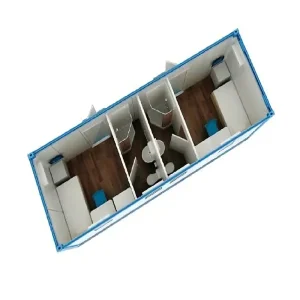
Repurposed modular container frames equipped with electrical wiring, plumbing, and thermal break insulation. These structures serve as site accommodations, remote telecom stations, and field clinics in resource-extraction regions.
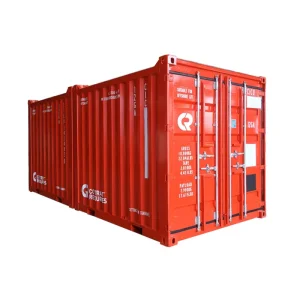
Side-opening and roll-up door containers allow direct forklift access on tight loading docks and rail spurs, bypassing the clearance limits of standard end-door setups.
Container engineering is shifting toward circular materials, low-GWP refrigerants, and edge-connected telematics. Our multi-year development roadmap outlines these structural and digital upgrades.
Integrating low-carbon Corten steel manufactured with up to 75% recycled scrap melted via renewable-powered EAF plants, significantly reducing Scope 3 embedded carbon emissions per TEU.
Transitioning reefer compressors from legacy hydrofluorocarbons (R-134a, R-404A) to CO2-based R-744 natural cycles and R-513A low-GWP blends, complying with the latest European F-Gas guidelines.
Embedding solar-powered satellite transceivers and wireless BLE sensors to monitor door open/close events, interior atmospheric composition (O2/CO2), shock profiles, and real-time internal temperature.
Deploying hybrid carbon-reinforced polymer corner bracing and vacuum-insulated panels (VIPs), increasing interior cubic payload capacity while cutting tare weights by up to 18%.
Detailed answers covering international compliance, structural tolerances, custom manufacturing scopes, and container handling logistics.
Certified logistics hardware engineered for corrosive operating environments, high-payload chemical bulk transfers, and modular on-site storage.