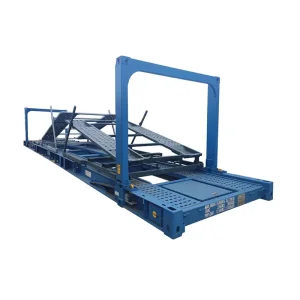
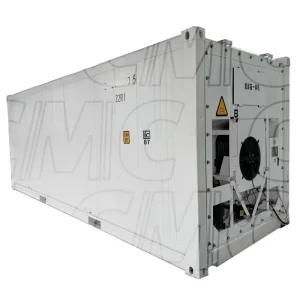
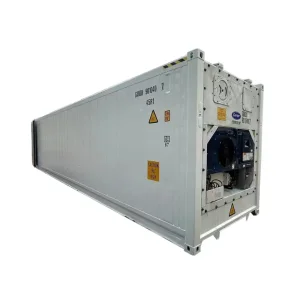
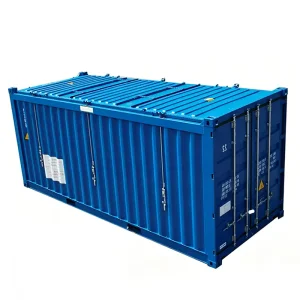
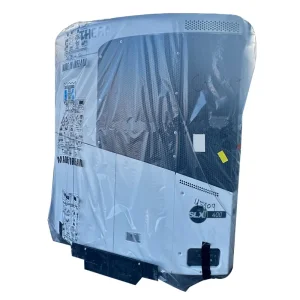
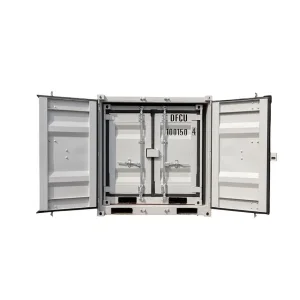
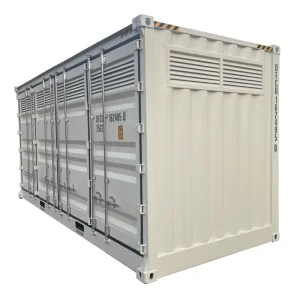
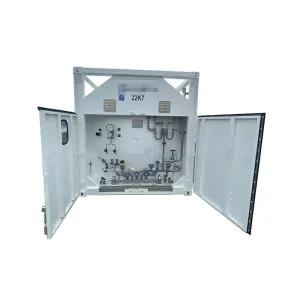
Explore heavy-duty car haulers, solar cold-chain intermodal reefers, certified open tops, and high-cube units configured to exact project payloads and international class certificates.
How the structural evolution toward 9ft 6in High Cube and overhead crane-accessible Open Top containers is optimizing volumetric logistics margins worldwide.
In contemporary maritime, rail, and intermodal distribution, logistics operators and fleet procurement directors face constant pressure to optimize the cubic filling factor per freight mile. Conventional 8ft 6in general purpose (GP) dry shipping containers frequently cube out before meeting their structural weight capacity when hauling volumetric, lightweight, or dimensionally irregular equipment. This persistent operational bottleneck has established ODM High Top Containers—encompassing both 9ft 6in High Cube (HC) formats, customizable hard open tops, and augmented overhead loading vessels—as the definitive standard for industrial logistics.
The transition from standardized shipping boxes to purpose-engineered high top containers is driven by structural versatility. Over-height machinery, wind turbine components, industrial transformers, heavy-duty mining spare parts, and finished automotive assemblies cannot negotiate traditional standard end-door heights without substantial disassembly. ODM factories engineer open-top units with swinging or fully removable rear lintels, supplemented by hydraulic hard tops or heavy-duty tir-corded polyvinyl chloride (PVC) tarpaulins. This engineering allows heavy gantry cranes to drop payloads directly into the container from above, eliminating expensive lowboy trailer chartering and significantly mitigating transit damage.
Simultaneously, the global surge in pre-packaged electrical architecture, containerized lithium-ion battery energy storage systems (BESS), and skid-mounted water purification facilities requires the surplus 305 mm (1 foot) vertical ceiling height offered by high top designs. This supplementary vertical clearance allows mechanical engineers to route HVAC ducted plenums, liquid chilling manifolds, overhead cable ladders, and explosion relief blowout panels along the container ceiling without compromising operational interior service walkways.
Removable roof panels and swinging rear door lintels permit unrestricted overhead crane loading for dense industrial assemblies that exceed side-loading portal clearances.
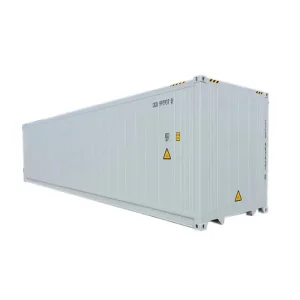
An extra foot of vertical internal space creates up to 76.4 m³ (2,700 cu. ft.) of stowage capacity in 40ft HC designs, minimizing freight costs on density-limited sea routes.
Fabricated exclusively from SPA-H corrosion-resistant weathering steel, forming a regenerative oxide passivation layer capable of resisting harsh marine salinity.
Why Tier-1 Chinese container manufacturing plants deliver unmatched dimensional tolerance, metallurgical integrity, and logistical agility for global OEM/ODM orders.
The manufacturing infrastructure of container production in China represents one of the world's most sophisticated heavy-industrial supply chains. Located primarily within coastal hubs such as Tianjin, Qingdao, Shanghai, and Suzhou, specialized container plants operate automated, high-throughput production lines capable of transforming cold-rolled steel coils into certified intermodal shipping containers in minutes per workstation.
For custom Original Design Manufacturer (ODM) projects, Chinese fabrication plants leverage automated submerged arc welding (SAW) and multi-axis robotic laser-cutting gantries. Structural corner castings are cast from high-ductility SCW480 steel, machined to strict ISO 1161 dimensional standards, and rigorously ultrasound-tested for internal porosity. Unlike smaller regional workshops that rely on manual stick welding and piecemeal assembly, Tier-1 Chinese factories utilize hydraulic jig tables that maintain dimensional accuracy within ±1.5 mm across an entire 40-foot diagonal axis. This guarantees perfect stacking alignment and twistlock engagement on automated container vessel cell guides.
Surface preparation and coating technology provide another critical structural advantage. Automated shot-blasting machines blast raw steel profiles to Swedish Standard SA 2.5, clearing all mill scale and surface oxidation. Within minutes, components receive an automated coat of two-component zinc-rich epoxy primer (30–40 μm dry film thickness), followed by high-build epoxy intermediate coatings and weather-resistant polyurethane or waterborne acrylic topcoats. This multi-tier finish delivers over 1,500 hours of continuous salt-spray resistance, fully certified under ISO 12944 C5-M extreme marine corrosive categories.
| Dimensional & Mechanical Metrics | 20ft High Cube (ODM Custom) | 40ft High Cube (ISO Std) | 20ft Hard Open Top (Custom) |
|---|---|---|---|
| External Dimensions (L × W × H) | 6,058 × 2,438 × 2,896 mm (9'6") | 12,192 × 2,438 × 2,896 mm (9'6") | 6,058 × 2,438 × 2,591 / 2,896 mm |
| Internal Dimensions (L × W × H) | 5,898 × 2,352 × 2,698 mm | 12,032 × 2,352 × 2,698 mm | 5,898 × 2,350 × 2,348 / 2,655 mm |
| Maximum Gross Mass (MGM) | 30,480 kg (67,200 lbs) | 32,500 kg (71,650 lbs) | 30,480 kg (67,200 lbs) |
| Tare Weight Range | 2,320 – 2,450 kg | 3,900 – 4,150 kg | 2,480 – 2,750 kg (Roof variant) |
| Internal Volume Capacity | 37.4 m³ (1,320 cu. ft.) | 76.4 m³ (2,700 cu. ft.) | 32.8 – 37.1 m³ |
| Stacking Test Capability | 216,000 kg (9-high laden stack) | 216,000 kg (9-high laden stack) | 216,000 kg (Full CSC compliance) |
| Floor Flooring Specification | 28mm Keruing / Bamboo Plywood | 28mm Marine Plywood / Steel Plate | 6mm Heavy-Duty Corten Checkered Plate |
Custom ODM high-top containers serve specialized applications across heavy industrial fabrication, offshore infrastructure, clean cold storage, and hazardous processing.
Heavy engine blocks, precision stamping dies, industrial spools, and track excavators can be positioned straight through removable top headers without risk of door collision or side-panel abrasion.
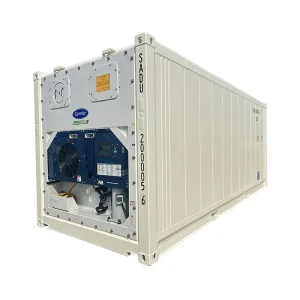
High cube architectures accommodate thick polyurethane vacuum insulated panels (VIP) alongside DC inverter scroll refrigeration compressors, maintaining -25°C temperatures without sacrificing internal volumetric space.
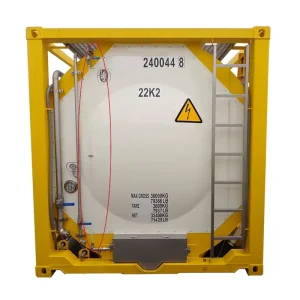
Integrated spark-proof louvered venting, bottom spillage sumps with grating, and ATEX explosion relief doors allow high top units to serve as compliant dangerous goods storage lockers for industrial batteries and solvents.
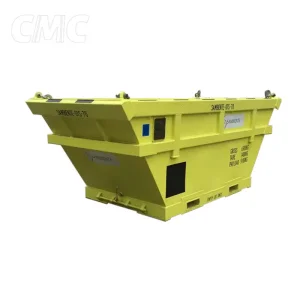
Designed for harsh deep-water North Sea or Gulf conditions, offshore-rated silt and transport baskets feature high-tensile crash frames, reinforced padeyes, and proof load test certificates compliant with DNVGL-ST-E271.
High top envelopes function as standard shipping housings for pre-packaged water treatment stations, nitrogen generator skids, and field battery energy storage systems (BESS), moving seamlessly from sea to site.
The supplementary 305mm vertical headroom allows architects to install recessed LED lighting, integrated concealed electrical conduit tracks, and ducted ventilation, creating comfortable finished ceilings.
Understanding the pricing elements that govern factory-direct ODM container quotes helps procurement teams budget accurately and eliminate unexpected freight surcharges.
Procuring custom ODM high top or open top containers requires an understanding of how raw material indices, fabrication complexity, third-party certification, and relocation logistics combine to dictate final delivered unit costs.
1. Raw Material & Metallurgy Fluctuation: Between 55% and 65% of the baseline cost of an unpainted ISO container is determined by the spot price of Corten-A (SPA-H) hot-rolled steel coil. When commodity steel prices move, container factories adjust their base quotes. High top containers add roughly 8% to 11% more steel weight than standard GP equivalents due to extended corrugated side panels, enlarged door leaves, and beefed-up vertical corner posts.
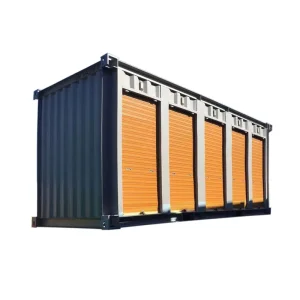
2. Structural Modification Tooling: Baseline catalog units benefit from continuous assembly line cycles. True ODM orders—such as roll-up side shutters, dual-end opening mechanisms, heavy-duty floor drain sumps, or removable steel hard tops—require specialized stamping dies, custom welding jigs, and dedicated engineering run-time. These non-recurring engineering (NRE) costs amortize over order volume, making minimum order quantities (MOQs) a key consideration for competitive per-unit quotes.
3. Classification Society Inspections: To travel through international shipping lanes, every container must bear an approved International Convention for Safe Containers (CSC) safety plate. Factory quotes vary depending on whether client specifications mandate testing and witness stamping by Bureau Veritas (BV), Lloyd's Register (LR), Det Norske Veritas (DNV), or the American Bureau of Shipping (ABS). DNV 2.7-1 dynamic lift proof-load testing for offshore models adds dedicated inspection fees compared to standard ISO BV certifications.
4. Repositioning & "One-Way" Cabotage Credits: A critical procurement strategy involves shipping logistics from Chinese ports. Importers can frequently lower their ocean freight costs by permitting shipping lines to use new containers for a single commercial payload ("One-Way Lease/Cabotage") bound for Europe, North America, or Australia. The freight revenue generated from that inaugural voyage offsets ocean delivery costs, lowering the net delivered price for the buyer.
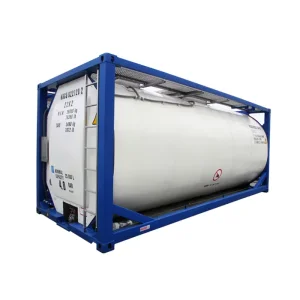
From cryogenic iso-tanks and modular dangerous goods storage to heavy-duty mining baskets, review the remainder of our engineered container portfolio.
Detailed technical answers addressing tolerances, certification protocols, custom tooling, and multi-tier quality assurance directly from our engineering team.