
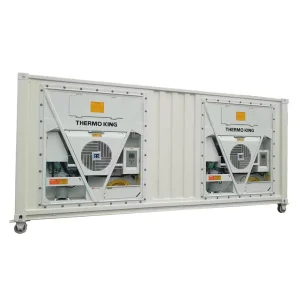
Direct factory configurations across ISO standard 10ft, 20ft, 40ft, and 45ft structural profiles engineered for extreme intermodal stress, blast freezing, and modular living.
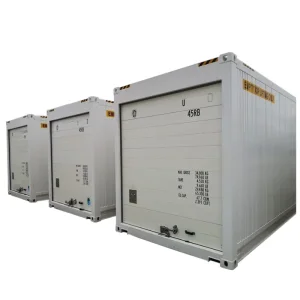
In modern logistics networks, selecting container lengths goes beyond cubic volume—it dictates rail twistlock spacing, automated crane spreader calibration, tare-to-payload ratios, and vessel cell guide tolerances under ISO 668 Series 1 standards.
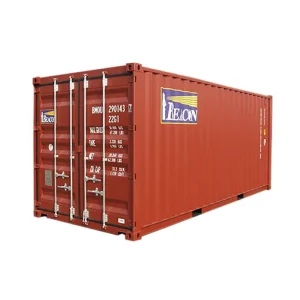
Engineered primarily for dense freight, concentrated payloads, hazardous materials, and urban logistics where turning radii are restricted. The standardized 20ft (1 TEU) footprint remains the universal benchmark for multimodal rail, sea, and highway axle limits.
The spine of global commerce. Delivering 67.7 m³ (Standard) to 76.4 m³ (HC) volumetric capacity, these units optimize ocean freight rates per cubic meter for consumer electronics, FMCG, reefer perishables, and light-to-medium bulk freight.
Specially engineered for overland rail ("Belt and Road") and North American intermodal trunk routes. The extra width and length accommodate two standard Euro-pallets (1200x800mm) side-by-side with zero wasted floor area, cutting unit logistics costs by up to 18%.
| ISO Size Designation | Nominal Length | External Dimensions (L × W × H) | Internal Volume | Max Gross Mass (MGM) | Primary Sector Applications |
|---|---|---|---|---|---|
| 10ft Dry / Reefer | 2.991 m | 2,991 × 2,438 × 2,591 mm | 15.8 m³ | 10,160 kg | Offshore Oil & Gas Urban Micro-Hub |
| 20ft ISO Standard (1CC) | 6.058 m | 6,058 × 2,438 × 2,591 mm | 33.2 m³ | 30,480 kg | Heavy Mining Tank Units Modular Pods |
| 40ft High-Cube (1AAA) | 12.192 m | 12,192 × 2,438 × 2,896 mm | 76.4 m³ | 32,500 kg | Cold Chain Reefers General Intermodal |
| 45ft High-Cube Pallet-Wide | 13.716 m | 13,716 × 2,500 × 2,896 mm | 89.2 m³ | 34,000 kg | Belt & Road Railway Euro-Pallet Freight |
Operating from our automated production hubs in Tianjin and Suzhou, CIMIC integrates robotic structural welding, eco-friendly waterborne zinc silicate coatings, and end-to-end CNC roll forming.
Every structural frame, corrugated side panel, and cross-member utilizes high-yield SPA-H atmospheric corrosion-resistant Corten steel. This metallurgical baseline guarantees high yield strength (>355 MPa) and self-passivating oxide barriers against ocean saltwater corrosion.
Fully automated submerged arc and MIG welding systems eliminate human fatigue variations across critical corner castings, corner posts, and top/bottom side rails, guaranteeing 100% weld root penetration verified via non-destructive ultrasonic testing.
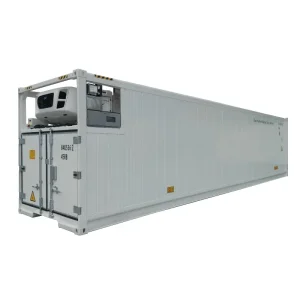
Reefer and insulated container shells leverage high-pressure cyclopentane-blown polyurethane foam injection. Wall insulation achieves ultra-low thermal thermal conductivity (λ ≤ 0.032 W/m·K) to maintain -40°C blast temperatures while reducing reefer compressor run hours.
We bridge standard ISO container lengths with complex bespoke end-use architectures. From mobile BESS battery storage housings to blast-freezing food processing hubs, our engineering staff translates technical drawings into road-ready freight.
Engineered for dynamic warehousing, fast pallet cross-docking, and roadside logistics. We incorporate structural top header reinforcements to retain full CSC stacking capacity (9-high laden stacking) even with continuous 20ft or 40ft bi-folding side openings.
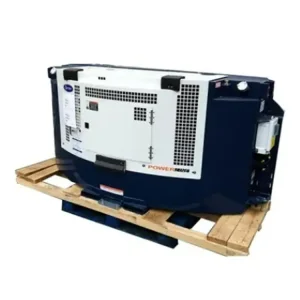
To safeguard cold chains across un-electrified routes and rail crossings, we integrate undermount/clip-on diesel generator sets alongside rooftop monocrystalline solar panels with DC inverter drives for autonomous temperature retention.
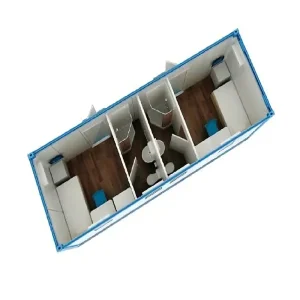
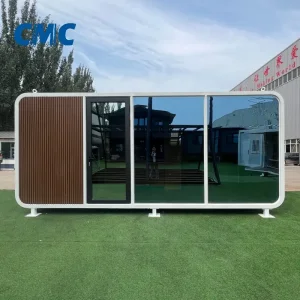
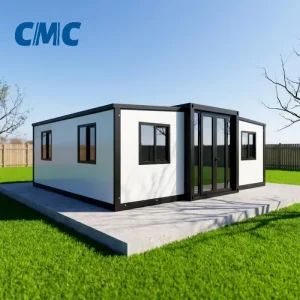
Transforming structural ISO envelopes into turnkey workforce housing, mobile offices, and insulated pods. Featuring integrated rockwool core sandwich panels, CE/UL/AS/NZS compliant electrical harnesses, and pre-plumbed sanitary modules.
International intermodal transit demands indisputable safety validation. Every container batch leaving our factory passes rigorous statutory testing and classification documentation.
Issued under the International Convention for Safe Containers (CSC 1972). Validates allowable stacking weights (up to 216,000 kg), transverse racking limits, floor strength load tests, and end-wall deflection limits.
Our offshore baskets, half-height open-tops, and workshop containers conform to harsh open-sea dynamic impact thresholds. Built with Charpy V-notch impact-tested steels (-20°C brittle fracture resistance) and four-point pad-eye lifting sling sets.
Customs seal security compliance under the TIR Convention alongside UIC 592 certification for cross-border railway networks across Europe and Central Asia, guaranteeing rapid transit through bonded logistics corridors.
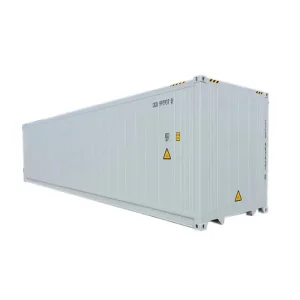
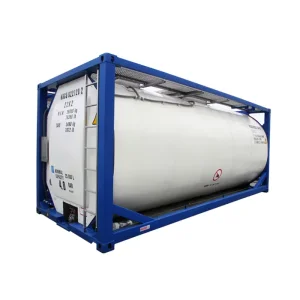
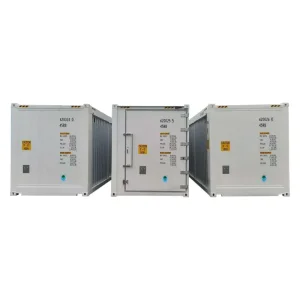
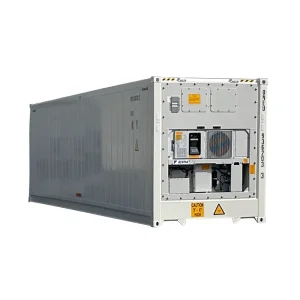
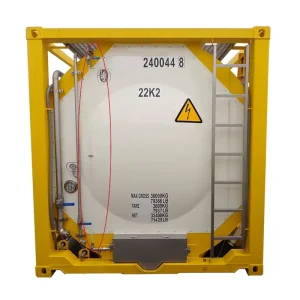
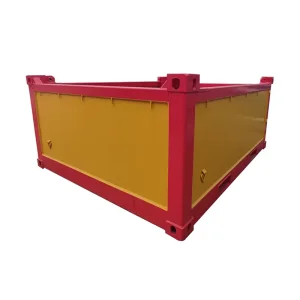
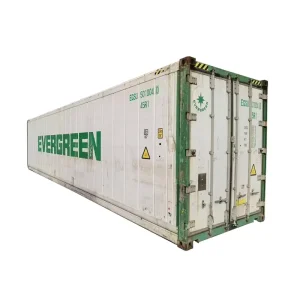
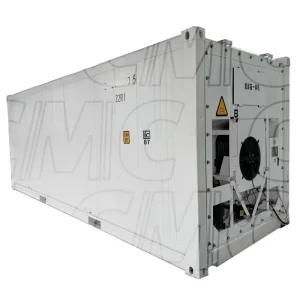
Explore our heavy-duty chemical ISO tanks, blast cold storage rooms, and offshore basket containers engineered for extreme operational environments.
Where intermodal hardware meets digital telematics. Discover how our engineering R&D is solving the next decade of supply chain decarbonization and real-time operational visibility.
Phasing out high-GWP HFCs (R134a/R404A) in accordance with the Kigali Amendment and EU F-gas regulations. Our next-gen reefer lines feature transcritical CO2 compressor systems that deliver superior pull-down speeds while achieving GWP=1.
Factory-integrated smart sensors provide multi-point interior temperature data, cargo humidity, door breach alerts, shock/impact telemetry, and atmospheric gas analysis (O2 & CO2) with global dual-mode L-band satellite failover.
Piloting lightweight carbon-fiber reinforced polymer (CFRP) floor cross-members and sandwich side-walls. These composite systems reduce dry container tare weight by up to 15%, directly translating into greater freight payload capacity and reduced voyage carbon emissions.
Direct technical clarifications from CIMIC's marine architecture team regarding container lengths, dimensional tolerances, and customized manufacturing orders.