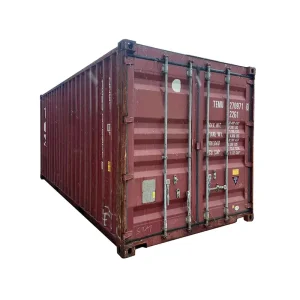
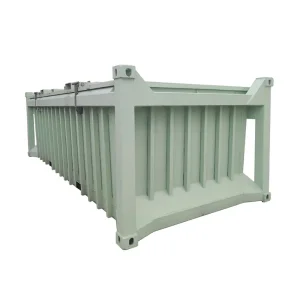
Explore heavy-duty intermodal engineering designed to withstand rigorous maritime, railway, and offshore conditions. Factory direct quotes and build-to-order options available.
Strategic manufacturing integration delivers uncompromised metallurgical standards, rapid tooling turnaround, and significant total cost of ownership advantages for global shipping operations.
Structural integrity depends heavily on primary material sourcing. All heavy-duty ISO dry and modular units are built with anti-corrosive SPA-H Corten steel, ensuring exceptional yield strength and resistance against harsh marine atmospheric conditions.
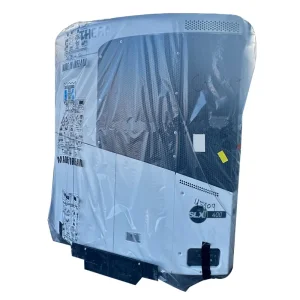
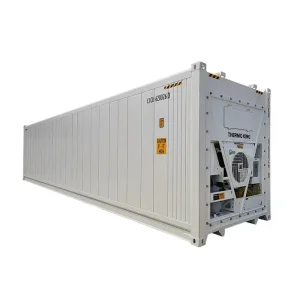
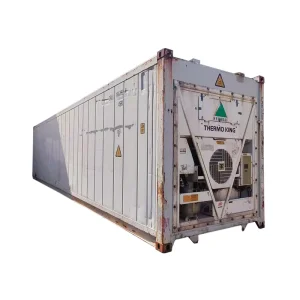
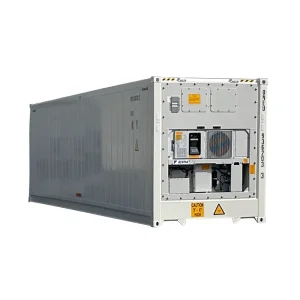
For reefer and offshore liquid containers, thermal retention and strict pressure control are paramount. Factories implement automated cyclopentane polyurethane high-pressure foaming alongside factory pre-assembly testing for refrigeration components.
Strategically situated within roughly 100 kilometers of northern China's premier commercial maritime gateways like Tianjin Port, the factory facilities mitigate inland drayage friction and ensure immediate vessel staging upon quality sign-off.
How multinational engineering teams, fleet leasing conglomerates, and specialized mining operators formulate their structural equipment requests to guarantee long-term operational resilience.
Global shipping lines require strict dimensional tolerance compliance under ISO 668 and ISO 1496. Seamless interchangeability between container handling equipment, shipboard cell guides, and rail bogies is essential to prevent costly port bottleneck incidents.
Intermodal hauliers and bulk ore operators prioritize lightweight, high-yield strength engineering. Optimizing the container tare weight directly expands the commercial cargo capacity per trip while keeping axle loads compliant across varied national transport networks.
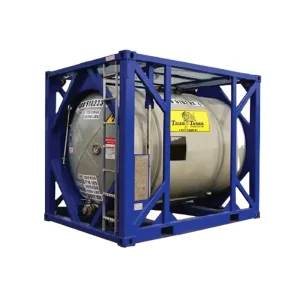
Procurement for liquid chemicals and compressed gases demands stringent certification frameworks. Buyers require DNV 2.7-1 / EN 12079 compliance alongside ASME Section VIII or IMDG Code standards for aggressive offshore operating environments.
Navigating cross-border customs regulations and safety mandates requires verified class society certifications and thorough documented inspection trails from factory floor to port of arrival.
Every newly manufactured shipping container undergoes comprehensive physical testing for racking, stacking, end-wall, and side-wall strength. Certified CSC plates ensure smooth customs transitions and operational clearance worldwide.
Specialized units intended for harsh offshore oil platforms or cryogenic liquid transport are built strictly to DNV 2.7-1, ISO 10855, and Bureau Veritas certification standards, incorporating verified lifting lug stress analysis.
Container designs are adapted to match regional infrastructure limitations, including European UIC railway gauge profiles, North American AAR clearances, and specific chassis locking pin geometries across Australia and Latin America.
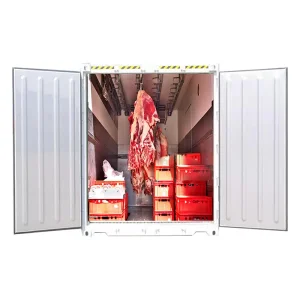
Refrigerated transport equipment intended for perishables, dairy, and pharmaceutical transport complies with international ATP standards, ensuring consistent temperature maintenance across intercontinental transit routes.
Emerging design principles, carbon emissions regulations, and digital sensor ecosystems are transforming industrial container production globally.
Modern reefer and dry fleet buyers increasingly demand factory-integrated IoT hardware. Real-time GPS location, door open/close sensors, internal cargo humidity, and remote cold chain temperature telemetry allow dispatchers to track asset status continuously without physical yard inspections.
To adhere to tightening chemical footprint thresholds like EU F-Gas targets and North American VOC ceilings, factories are replacing solvent-heavy primers with low-VOC waterborne paints and adopting blowing agents that boast near-zero Ozone Depletion and Global Warming Potential.
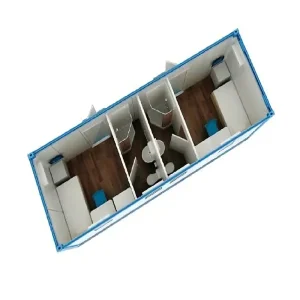
The standard freight container shell has evolved into an engineered building module. Structural accommodation containers, mining mess halls, and pop-up clinics utilize pre-framed electrical, plumbing, and thermal insulation to shorten on-site construction timelines by up to 70%.
Review standard industry configurations matched to specific logistics scenarios and cargo requirements across various operating environments.
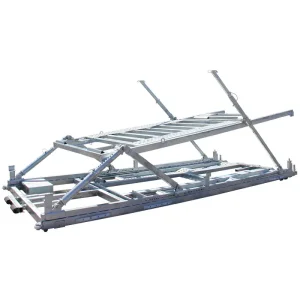
Configured Unit: Internal vehicle transport rack systems fitted inside standard 40ft High Cube containers. Enables secure double-tier vehicle loading without risking paint abrasion, optimizing load factors on return sea lanes.
Configured Unit: 10ft & 20ft DNV 2.7-1 certified offshore dry containers and mud tanks. Designed with heavy pad eyes and 4-point certified wire-rope sling sets to safely manage dynamic open-ocean crane lifts.
Configured Unit: 20ft heated shipping asphalt containers with integrated flame tubes, thermal oil coils, or direct electric elements. Keeps viscous fluids pumpable for direct delivery to road-building sites.
Essential technical, regulatory, and shipping considerations for international buyers procuring container equipment from China.
All containers manufactured for international transport feature a stamped stainless steel CSC (International Convention for Safe Containers) safety approval plate. This plate certifies the maximum operating gross weight, allowable stacking weight, transverse racking test values, timber treatment details, and class society inspection stamps (e.g., BV, ABS, or CCS).
Refrigeration units from Carrier, Thermo King, and Daikin are integrated according to intended cargo profiles. Standard frozen transit (-20°C to -30°C) and ultra-low temperature bio-pharma transit (-60°C) require dedicated compressor curves and microprocessor controllers. Each unit undergoes a comprehensive factory pre-trip inspection (PTI) before delivery.
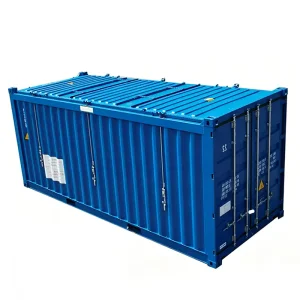
Yes. Factory engineering teams provide full OEM/ODM capabilities, accommodating non-standard lengths, extra side-opening doors, removable hard open tops, ventilation louvers, internal machinery mounting rails, and reinforced heavy floors for bulky or oversized equipment shipments.
Containers can be shipped empty as dedicated "shipper-owned containers" (SOC) repositioned on commercial cargo vessels. Alternatively, they can be utilized for one-way export cargo bookings from China directly to the destination discharge port, significantly lowering delivery costs for overseas buyers.
Explore specialized liquid tank containers, heavy-duty mining open-tops, and modified offshore units built to international safety standards.