
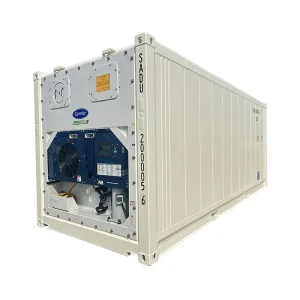
Active Cold-Chain
China New 40ft High Cube Carrier Refrigerator Freezer Cold Room Pricelist, Factories
Carrier Deep-Freeze 40ft HC Unit
Verified technical assets audited for intermodal freight, specialized site utility, and dynamic cold-chain operations.
Carrier Deep-Freeze 40ft HC Unit
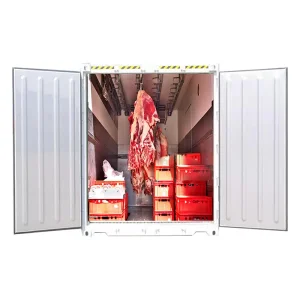
Specialized Fresh Hanging Meat Carrier
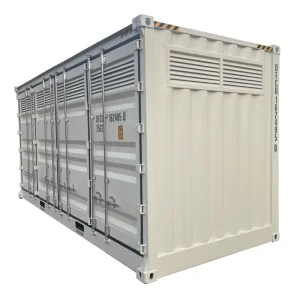
Ventilated Side-Door Dangerous Cargo
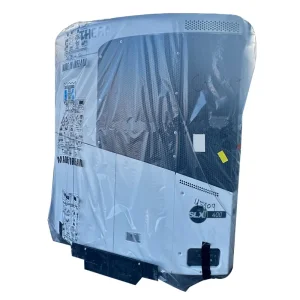
Integrated Genset Refrigeration System
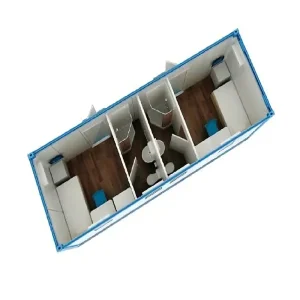
Engineered Accommodation Habitats
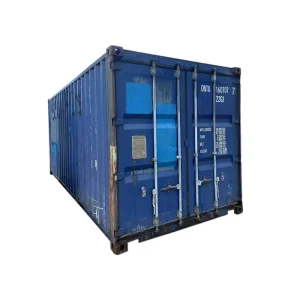
40ft Corten Dry Freight Fleet
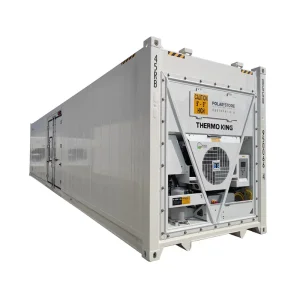
Side-Opening Precision Reefer
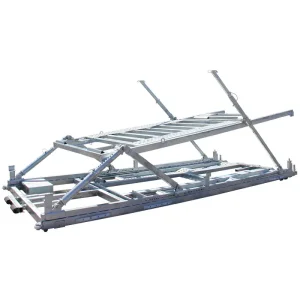
Heavy Duty Internal Vehicle Rack System
In the global supply of bulk liquid and pressurized cargo logistics, navigating the procurement of second-hand ISO tank containers (isotanks) requires strict adherence to ASME, IMDG, and CSC safety standards. As an authorized exporter, our role centers on restoring asset value while eliminating risk across maritime and rail corridors.
We source and rebuild ISO tank containers adhering to UN Portable Tank Instructions (T11, T14, T50, and T75). From food-grade stainless 316L liquid barrels to specialized carbon-steel gas tanks, all pressure-retaining components undergo hydraulic wall-thickness calibration and vacuum helium leak tests.
Second-hand tank exports face strict maritime transit barriers unless re-certified. Our export preparation includes full Bureau Veritas (BV) or DNV survey coverage, renewal of CSC plates, hydrostatic pressure testing up to 6.0 Bar, and safety valve recalibration with tamper-evident serial tagging.
Cross-contamination risk in used tanks is eliminated through precision automated rotary wash, pickling, and acid passivation. We ensure internal surface roughness meets Ra ≤ 0.8 μm, restoring food-grade and electronic-grade chemical compatibility across secondary service lifetimes.
| ISO Tank Type | Nominal Capacity | Shell Material / Spec | Test / Design Pressure | Primary Cargo Scope |
|---|---|---|---|---|
| Used T11 UN Portable | 21,000L – 26,000L | Stainless Steel 316L / 1.4404 | 6.0 Bar / 4.0 Bar | Non-hazardous chemicals, food oils, spirits, biofuels |
| Used T14 Corrosive | 17,500L – 20,000L | Rubber Lined / PTFE Coated | 6.0 Bar / 4.0 Bar | Hydrochloric acid, caustic soda, corrosive industrial reagents |
| Used T50 Gas Tank | 24,000L – 24,500L | High-Strength Fine Grain Steel | 27.5 Bar / 22.0 Bar | LPG, Propylene, Anhydrous Ammonia, Refrigerant Gases |
| Used Bitumen / Asphalt | 20,000L – 23,000L | Carbon Steel with Thermal Jackets | 3.0 Bar / 2.0 Bar | Bitumen, heavy fuel oil, liquid pitch with heating tubes |
Beyond traditional intermodal shipping, second-hand ISO tank containers solve urgent industrial storage, decentralized energy, and circular economy challenges globally.
Mining complexes in Africa, Australia, and South America leverage used tank containers as rugged, stationary chemical dosing tanks for processing cyanides, flocculants, and sulphuric acid without requiring expensive poured-concrete civil infrastructure.
With maritime sulfur caps and the expansion of Hydrotreated Vegetable Oils (HVO), retrofitted T11 units with steam heating systems serve as modular bunkering banks and localized farm biodiesel blending reservoirs.
Refurbished food-grade 304/316 stainless tanks are integrated into containerized reverse osmosis desalination packages, providing surge volume buffers for disaster relief, refugee logistics, and municipal utility modernization projects.
Combining world-leading steel manufacturing infrastructure with coastal maritime port integration for rapid depot turnaround.
Our engineering and export yards are situated within ~100 km of major international maritime terminals (Tianjin Port, Shanghai/Taicang Ports). This proximity cuts intermodal positioning costs, minimizes empty drayage times, and ensures instant vessel slot integration.
We maintain long-term asset release covenants with top global tank operating leasing companies (ITCO members). This enables us to maintain hundreds of off-hire 20ft ISO tanks in stock, ensuring volume scalability from 1-unit emergency replacement to 50-unit industrial fleet buildouts.
Every component used in rebuilding—from ASME-approved 316L patch plates and Fort Vale/Perolo brand gaskets to bursting discs and cladding—features raw material heat numbers and mill test certificates (MTC) guaranteeing zero metallurgical compromise.
The transition from conventional used ISO containers to intelligent digital shipping hardware follows a disciplined, step-by-step technological overhaul.
Ultrasonic thickness testing (UTM), magnetic particle crack detection on dished ends and fillet welds, and borescope inspection of internal baffle joints.
Straightening Corten corner posts to ISO 1496 dimensions, re-cladding outer GRP/aluminum jackets, and refitting polyurethane foam insulation cores.
Replacing aged seals with virgin PTFE/FEP encap o-rings, testing Fort Vale 3" cleanflow bottom discharge valves, and verifying pressure relief thresholds.
Equipping refurbished tanks with ATEX Zone 0 certified telematics: real-time GPS tracking, electronic temperature logs, ullage sensors, and impact accelerometers.
Cross-border delivery of refurbished industrial equipment requires comprehensive legal and engineering documentation.
Every exported tank includes previous cargo logs (clean certificate), hydrostatic test certificates countersigned by classification societies (BV/Lloyd's Register), initial manufacturer data plates (U-Stamp/ASME where applicable), and updated CSC safety plates.
We coordinate one-way cargo loading or empty positioning bookings under SOC terms. Buyers avoid costly shipping-line container demurrage charges at destination ports, securing title and possession immediately upon vessel discharge.
Our engineering shop offers client-specific modifications including glycol heating jacket integrations, electric tracing cabling, pneumatic discharge compressors, level sensors, and bespoke anti-corrosive tank livery.
Explore heavy-duty bulk transport, specialized cryogenic gas systems, and modular habitat container solutions.
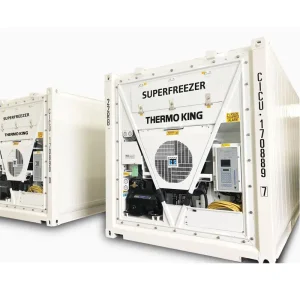
Industrial Deep Freezer Reefer Cargo
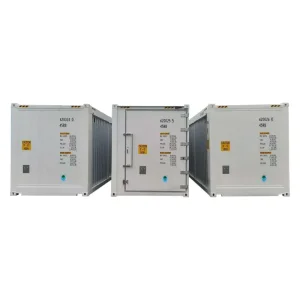
Three-in-One Combination Cold Storage
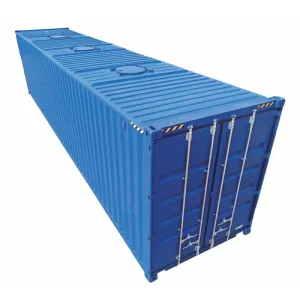
20ft Grain & Mineral Bulk Freight
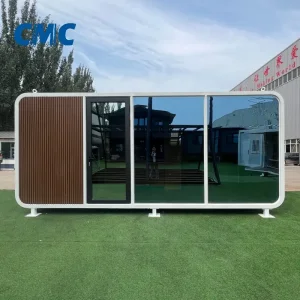
20ft Apple Cabin Office & Living Pod

25,000L ISO 20ft UN T50 Gas Tank

20ft Certified Offshore Heavy Reefer
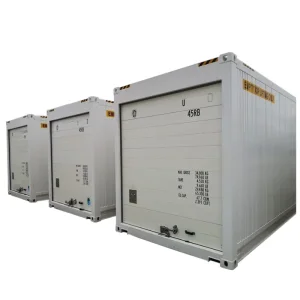
40ft HC Roll-Up Door Reefer Container
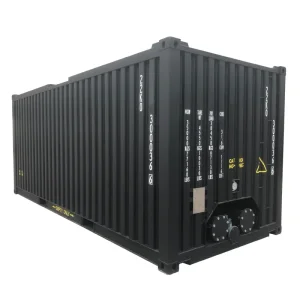
20ft Heated Liquid Bitumen & Asphalt
Essential answers regarding inspection rigors, life-cycle economics, pressure certification, and delivery safeguards.
Prior to export dispatch, every used ISO tank container undergoes a comprehensive 2.5-year or 5-year periodic recertification. This involves internal visual inspection by third-party surveyors (e.g., Bureau Veritas, DNV), hydraulic pressure testing (typically up to 6.0 Bar for T11 models), ultrasonic thickness verification of the shell walls, and overhaul/testing of relief valves and discharge assemblies to reissue valid CSC certificates.
A structurally sound, recertified used T11 ISO tank generally costs 40% to 60% less than a newly manufactured equivalent. This makes them ideal for dedicated private fleets, stationary project buffer storage, liquid fertilizer distribution, and lower-margin industrial fluid transportation.
It depends strictly on the previous cargo log (last-contained manifest). If a tank previously carried toxic, non-washable toxic compounds, conversion to food-grade service is prohibited under ITCO and FDA guidelines. However, tanks retired from clean chemical or beverage service can be chemically stripped, high-pressure steam-passivated, and mechanically polished to food-grade cleanliness standards.
We supply tanks primarily on an "SOC" (Shipper Owned Container) basis. In many instances, we arrange "one-way cargo loading," meaning a domestic chemical or lubricant exporter uses your purchased tank to ship their cargo near your destination port, offsetting or entirely neutralizing your positioning freight expenses.
High-quality 316L stainless steel has exceptional corrosion resistance. An ISO tank container retired from frontline liner service after 10–12 years typically possesses 15 to 20+ additional years of structural capability for dedicated static storage, regional rail shuttles, and interplant product transfers, provided standard periodic valve maintenance is performed.
Our engineering facilities in Tianjin and Suzhou support steam heating tube replacement, external electrical heat tracing with thermostats, high-density rockwool or polyurethane insulation replenishment, outer jacket replacements in stainless or painted aluminum, walk-way additions, and customized dipstick calibrating.