Direct factory procurement units engineered for maritime shipping, specialized chemical transport, and temperature-controlled logistics networks.

A rigorous examination of supply chain equilibrium, production cluster concentration in North China, and structural pricing variables.
The intermodal shipping container, governed strictly by ISO 668 (Series 1 freight containers — Classification, dimensions and ratings) and ISO 1496-1 (Specification and testing), remains the foundational building block of international physical commerce. Across maritime lines, Class 1 rail systems, and overland heavy-haulage routes, standardized containers eliminate cargo rehandling, reduce demurrage liability, and enable dynamic multi-modal handoffs.
In recent years, the manufacturing landscape has undergone major structural consolidation. While primary container manufacturing is centralized along China's coastal industrial corridors—most notably Tianjin, Qingdao, and Suzhou—procurement buyers face volatile pricing inputs. Steel raw material costs, specifically high-tensile JIS G3125 SPA-H atmospheric corrosion-resistant steel (commonly termed Corten-A), dictate over 58% of a newly constructed dry container's ex-works baseline price.
Furthermore, post-pandemic fleet balancing and regional trade imbalances have created a bifurcated procurement environment: Tier-1 shipping alliances and institutional equipment leasing syndicates purchase newly fabricated one-trip units in bulk, while decentralized agricultural logistics operators, chemical handlers, and modular infrastructure integrators optimize return-on-investment by leveraging certified "Cargo Worthy" (CW) and 90% near-new reefer and tank inventory stored strategically at deepwater transshipment berths.
Dimensional blueprints, payload envelopes, and metallurgical requirements across mainstream intermodal variants.
| Container Classification | External Dimensions (L × W × H) | Internal Volume | Tare Weight (±2%) | Max Payload | Primary Regulatory Standard |
|---|---|---|---|---|---|
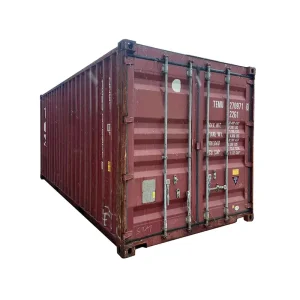
| 20ft Standard Dry Cargo (20GP) | 6,058 × 2,438 × 2,591 mm (20' × 8' × 8'6") | 33.2 m³ (1,172 cu.ft) | 2,200 kg (4,850 lbs) | 28,280 kg (62,350 lbs) | ISO 1496-1, CSC, TIR, UIC |
| 40ft High Cube Dry (40HC) | 12,192 × 2,438 × 2,896 mm (40' × 8' × 9'6") | 76.4 m³ (2,698 cu.ft) | 3,900 kg (8,598 lbs) | 26,580 kg (58,600 lbs) | ISO 668, ISO 1496-1, BV Type Approved |
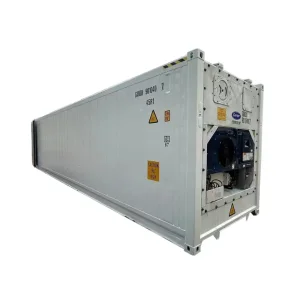
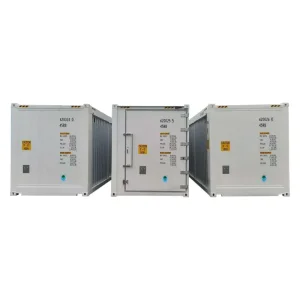
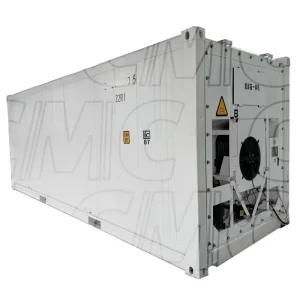
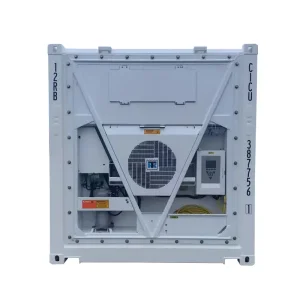
| 40ft High Cube Reefer (Cold Chain) | 12,192 × 2,438 × 2,896 mm (40' × 8' × 9'6") | 67.5 m³ (2,383 cu.ft) | 4,600 kg (10,140 lbs) | 29,400 kg (64,815 lbs) | ISO 1496-2, ATP Certified, Carrier/Thermo King |
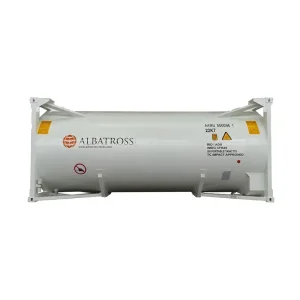
| 20ft ISO T11 Liquid/Gas Tank | 6,058 × 2,438 × 2,591 mm (20' × 8' × 8'6") | 21,000 – 26,000 Liters | 3,650 kg (8,046 lbs) | 32,350 kg (71,320 lbs) | ASME VIII Div.1, IMDG T11, RID/ADR, DNV |
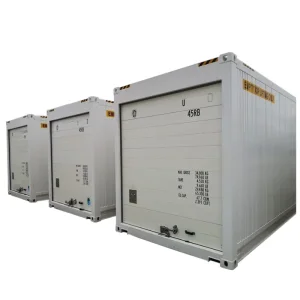
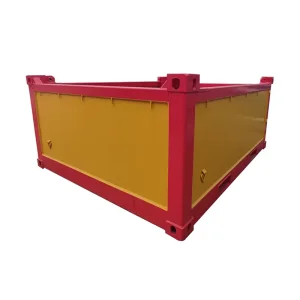
| Offshore DNV 2.7-1 Cargo Unit | Custom (10ft / 20ft / Half-Height) | 12.5 – 32.0 m³ | 2,800 – 4,100 kg | Up to 15,000 kg Dynamic | DNV-ST-E271, EN 12079, IMO MSC/Circ.860 |
Fabricated using authentic SPA-H Corten steel containing specific phosphorus, copper, and chromium alloys that generate an oxidizing passivation layer upon atmospheric exposure, preventing progressive rust migration.
Floors feature 28mm 19-ply tropical hardwood plywood or bamboo-composite boards treated in compliance with Australian Quarantine and Inspection Service (AQIS) standards to withstand 7,260 kg axle loads.
Equipped with SCW480 vacuum-cast steel corner fittings, high-tensile locking bars, forged anti-rack cams, and EPDM dual-lip perimeter door gaskets ensuring IP66-rated water and wind tightness under heavy sea spray.
Granular commercial pricing models based on industrial volume orders, certification levels, and customization tiers.
| Equipment Specification | Condition Grade | Indicative Price Range (USD) | Lead Time (Standard MOQ) | Key Cost Drivers |
|---|---|---|---|---|
| 20ft Standard Dry Container (20GP) | Brand New (One-Trip) | $1,650 – $2,150 | Stock to 14 Days | Hot-rolled coil steel index, zinc-rich epoxy paint |
| 40ft High Cube Dry Container (40HC) | Brand New (One-Trip) | $2,750 – $3,450 | Stock to 21 Days | Corten tonnage, 28mm hardwood floor pricing |
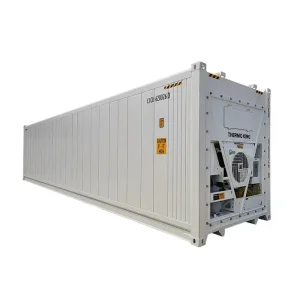
| 40ft High Cube Reefer (Carrier/Thermo King) | Brand New Factory Build | $14,500 – $18,900 | 25 – 35 Days | Compressor brand, 304 stainless lining, foaming quality |
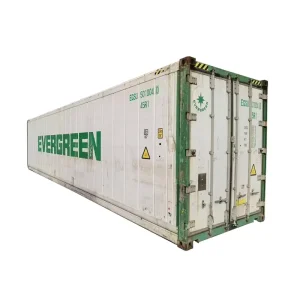
| 40ft HC Refrigerated Container (Used Grade) | 90% Like-New Inspected | $5,200 – $7,800 | Immediate Port Release | Machinery operating hours, pre-trip inspection (PTI) passed |
| 20ft ISO T11 Chemical/Liquid Tank | New Certified (ASME/IMDG) | $18,500 – $24,000 | 30 – 45 Days | 316L stainless steel shell gauge, insulation cladding |
| DNV 2.7-1 Certified Offshore Cargo Basket | New Factory Build | $6,800 – $11,500 | 20 – 30 Days | Third-party sling sets, dynamic NDT weld testing, DNV-GL signoff |
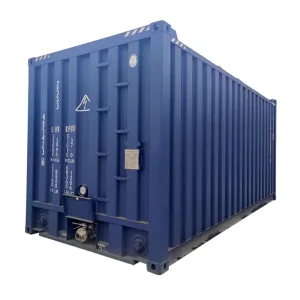
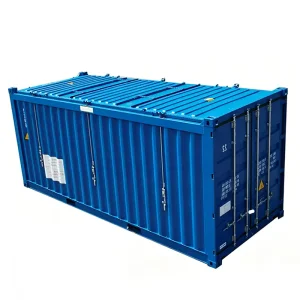
| 20ft Hard Open-Top Container | New Factory Build | $2,950 – $3,800 | 20 – 25 Days | Removable steel roof panel, swingable rear top rail |
| 20ft / 40ft Used Wind & Watertight (WWT) | Cargo Worthy (CW) | $950 – $1,750 | Immediate Delivery | Port storage location, structural depreciation, CSC renewal |
How ISO standard containers serve mission-critical applications beyond conventional deep-sea cargo transport.
Reinforced 20ft and 40ft high cube structures serve as thermal enclosures for utility-scale lithium iron phosphate (LiFePO4) storage arrays, equipped with built-in FM-200 fire suppression, HVAC, and liquid cooling channels.
Manufactured under DNV 2.7-1 and EN 12079 certifications to withstand dynamic oceanic G-forces during crane transfers from supply ships to oil rigs, maintaining impact resilience down to -20°C arctic conditions.
Ultra-accurate reefers fitted with micro-channel condensers, integrated telematics, and dual backup gensets maintaining narrow temperature bands (-35°C to +30°C) for high-value biopharmaceuticals and vaccines.
Custom pneumatic-discharge bulk units and T11/T14 ISO tanks enabling cradle-to-grave transfer of petrochemicals, liquid foodstuffs, and hazardous raw materials directly from train beds to cargo vessel holds.
Key industrial innovations shaping container lifecycle economics over the 2025–2035 development cycle.
Next-generation ISO units feature factory-embedded solar-harvesting BLE/cellular IoT beacons installed flush inside the corrugation valley. These provide real-time ambient temperature, humidity, door-opening tamper alerts, and geolocation data over satellite mesh networks without external cabling.
In accordance with stricter environmental mandates, advanced manufacturing lines have replaced solvent-borne paint with zero-VOC waterborne zinc-silicate primers and polyurethane topcoats, boosting salt-fog spray durability past the 1,500-hour benchmark while reducing factory emissions.
Research alliances are validating micro-alloyed composite floors replacing tropical hardwood with high-strength bamboo fiber impregnated with epoxy resins, reducing overall tare weight by 140 kg per 40HC container while retaining identical puncture resistance.
Machine-vision gantry scanners deployed at deepwater port gates scan structural deflection, dent depths, and corrosion progression, updating cloud-based digital twins to anticipate flooring or weld fatigue before transoceanic transit.
Precision-engineered units tailored for extreme environments, specialized bulk cargo, and heavy industrial vehicle transport.
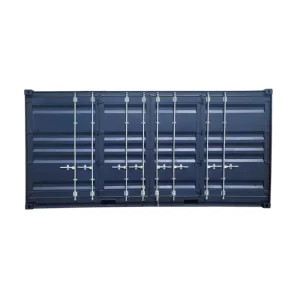
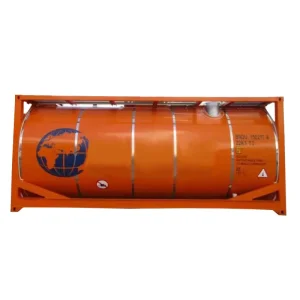
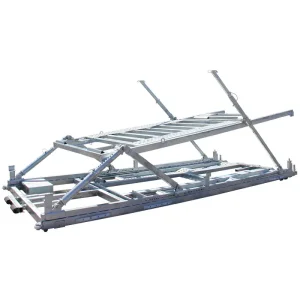
A step-by-step checklist for international procurement teams auditing factory shipments from China.
Procuring industrial ISO containers across transoceanic borders requires strict structural and regulatory verification. Below is the multi-tier inspection audit enforced on every export container line:
Under the International Convention for Safe Containers (CSC 1972), every container used in international multi-modal carriage must display a non-corrosive stainless steel CSC safety plate. Ensure the following data points are embossed legibly: Country of Approval & Approval Reference, Date of Manufacture (Month/Year), Manufacturer’s Identification Number, Maximum Gross Weight (kg and lbs), Allowable Stacking Load for 1.8g (typically 192,000 kg to 216,000 kg), Transverse Racking Test Force (typically 150 kN), and Timber Treatment details (AQIS compliance).
Every newly finished unit or reconditioned "Cargo Worthy" box must undergo a rigorous dark-room light inspection. An inspector enters the container, the double doors are secured with all four locking bars engaged, and the perimeter is examined for pinholes of light around the EPDM door gaskets, roof corrugation overlap seams, and weld junctions. For offshore or specialized units, a chalk test or high-pressure water spray test (in accordance with ISO 1496-1 clause 6.14) is conducted.
Refrigerated containers (equipped with Daikin, Carrier Transicold, or Thermo King machinery) must run an automated or manual PTI prior to port departure. This 2-to-4 hour software diagnostics routine verifies compressor motor draw, evaporator and condenser fan currents, defrost cycle initiation, electronic expansion valve modulation, and temperature probe calibration down to deep-freeze parameters (-25°C or lower).
Authoritative technical and logistical clarifications directly from our manufacturing engineering desk.
