
Dry Cargo
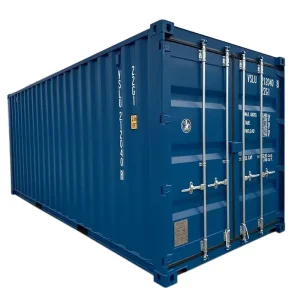
Explore certified new builds and high-spec specialized containers straight from ISO-accredited production facilities, engineered to endure harsh intercontinental and offshore operating environments.
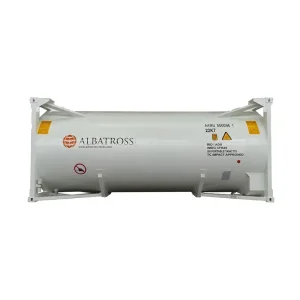
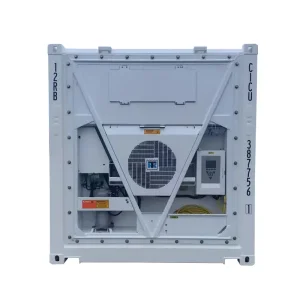
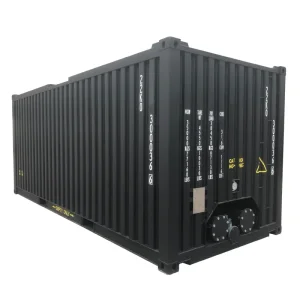
An analytical overview of structural shifts across Drewry Container Forecaster metrics, Shanghai Containerized Freight Index (SCFI) correlations, and fleet capital allocation strategies.
In the contemporary macroeconomic paradigm of international freight transportation, container acquisition economics has migrated from simple tactical spot buying to sophisticated, data-driven fleet asset lifecycle engineering. The global "rate of container" is governed by a tripartite nexus: raw material commodity pricing—predominantly atmospheric corrosion-resistant weathering Corten steel (SPA-H grade)—manufacturing labor and automation efficiency, and systemic equilibrium between intermodal equipment leasing houses and global liner shipping cartels.
Procurement directors and infrastructure asset managers must reconcile volatile operational lease expenditures against long-term Capital Expenditure (CapEx) amortizations. When long-term leasing rates reach threshold multipliers of 14% to 18% per annum over baseline replacement cost, asset capitalization via direct factory-gate contracting provides distinct total-cost-of-ownership (TCO) superiority. Furthermore, secondary residual valuations for standardized 20ft and 40ft High-Cube dry boxes consistently retain between 45% and 62% of their initial capitalized invoice rate after a typical 10-to-12-year primary marine service loop, providing robust risk mitigation against balance sheet obsolescence.
New container unit pricing demonstrates a 0.78 historical correlation with maritime container liner earnings. Procuring during freight consolidation phases locks in raw steel discounts before seasonal container shortages materialize.
Direct factory acquisition creates sovereign asset control, zero off-hire penalty clauses, complete flexibility for structural retrofitting, and shields industrial owners from spot-market lease extension escalations.
High-specification weathering Corten steel containers treated with zinc-rich epoxy primers offer extended lifespans beyond 25 years in secondary static storage, ground logistics, and decentralized modular housing systems.
How deep industrial cluster synergies, coastal port proximities, and high-precision automated robotic fabrication establish unparalleled price-performance standards.
The global dominance of Chinese container manufacturing facilities—centered primarily along the Bohai Rim (Tianjin port cluster) and the Yangtze River Delta corridor—is predicated on structural industrial clustering. Unlike fragmented international producers who rely on cross-border logistics for sub-assemblies, our manufacturing ecosystem sits within direct 100-kilometer radii of blast-furnace weathering steel coil mills, specialized roll-forming plants, certified marine hardware forge facilities, and maritime testing dry-docks.
This localized supply continuity compresses raw material transit lead-times from weeks to single-shift operations, insulating procurement pricing against localized freight bottlenecks. High-speed automated submerged-arc welding machines and multi-axis plasma cutting units guarantee dimensional accuracy strictly within ±1.0mm tolerances across diagonal corner casting profiles. Furthermore, the integration of state-of-the-art automated pre-treatment shot-blasting (achieving SA 2.5 standard surface cleanliness) followed by automated robotic electrostatic application of environment-compliant waterborne zinc coatings ensures optimal corrosion resistance, compliant with the stringent environmental Volatile Organic Compound (VOC) regulations of international classification bodies.
Direct proximity (~100km) to Tianjin Port eliminates heavy inland drayage surcharges. Completed units roll directly from assembly line final inspection directly onto ocean carriers or railheads under one continuous bill of lading.
Direct rolling partnerships with tier-one domestic steel mills secure priority allocations of authentic Corten SPA-H alloy coils, minimizing intermediate spot broker markups and protecting client contractual rates from sudden market spikes.
Each container undergoes rigorous structural load simulation: 1.8x transverse racking, end-wall deflection tests, floor payload stress certifications up to 7,260kg axle loads, and pressurized ultrasonic rain-tightness verification.
Baseline factory-gate benchmarks across standardized, cold-chain, offshore, and hazardous-liquid intermodal asset classifications (FOB / EXW Reference Data).
| Classification & Type | Dimensions (L × W × H) | Core Structural Material | Factory Benchmark (USD) | Target Payload / Vol. | Primary Industrial Use-Case |
|---|---|---|---|---|---|
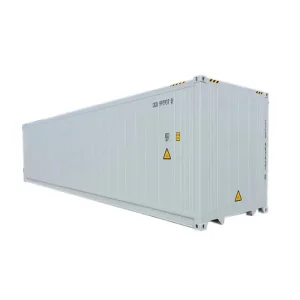
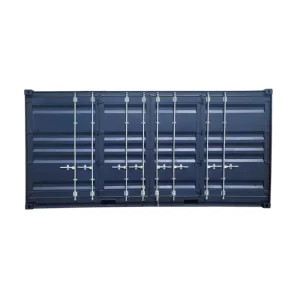
| 20ft Double Door Dry Cargo | 6,058 × 2,438 × 2,591 mm | SPA-H Corten Steel (2.0mm corrugation) | $2,050 – $2,550 | 28,250 kg / 33.1 m³ | High-throughput intermodal freight; pallet cross-docking; dynamic ground storage. |
| 40ft High-Cube Dry Freight | 12,192 × 2,438 × 2,896 mm | Weathering Corten Steel / 28mm Plywood | $3,300 – $3,950 | 28,700 kg / 76.4 m³ | High-cube consumer dry cargo; transpacific rail; global liner shipping networks. |
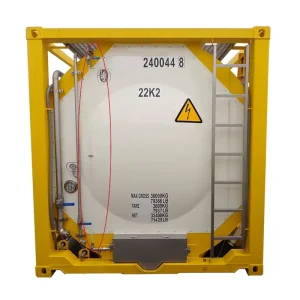
| 20ft ISO Gas Tank (T50/T75) | 6,058 × 2,438 × 2,591 mm | Q345R / 16MnDR / 316L Stainless | $16,500 – $24,000 | 25,000 Liters / 34,000 kg | Cryogenic LNG, LPG, high-purity industrial gases, chemical transshipment. |
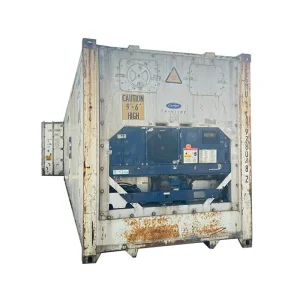
| 20ft DNV Offshore Reefer | 6,058 × 2,438 × 2,591 mm | DNV 2.7-1 Pad Eyes, Stainless 304 Interior | $14,200 – $19,800 | 10,500 kg / 28.5 m³ | Offshore platform provisioning; harsh sea swell environments; FPSO resupply. |
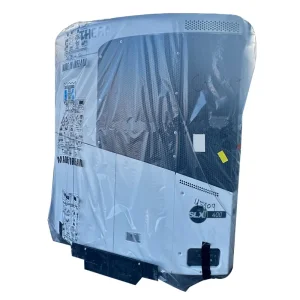
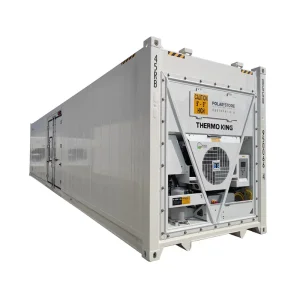
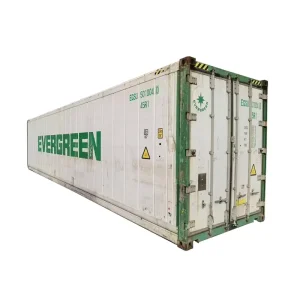
| 40ft HC Reefer (Carrier/TK/Daikin) | 12,192 × 2,438 × 2,896 mm | MGSS / Al-alloy / High-density PU Foam | $12,800 – $16,900 | 29,400 kg / 67.8 m³ | Perishable agriculture, pharmaceuticals, deep-frozen marine protein logistics. |
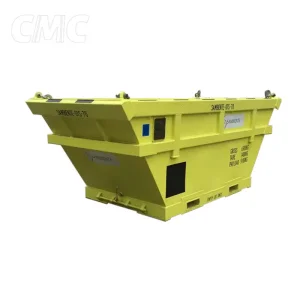
| 20ft DNV Silt Basket / Mud Skid | 6,058 × 2,438 × 1,200 mm | Certified Heavy Carbon Steel with Slings | $4,800 – $6,900 | 15,000 kg / Low-profile | Drilling cuttings, offshore drill pipe hauling, subsea engineering tools. |
| 20ft Heated Bitumen / Asphalt | 6,058 × 2,438 × 2,591 mm | Insulated Tank Shell with Direct Diesel Flame | $11,500 – $15,200 | 27,000 Liters / 25,000 kg | Liquid asphalt road infrastructure projects, remote highway paving supply. |
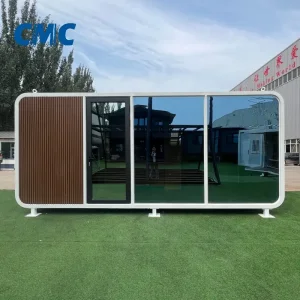
| 20ft Modular Apple Cabin / Pod | 5,800 × 2,250 × 2,500 mm | Galvanized Light Steel + Fluorocarbon Finish | $5,200 – $8,500 | Modular Habitation | On-site engineering offices, glamping installations, portable command facilities. |
*Note: Pricing indices represent baseline ex-works/FOB Tianjin estimations subject to fluctuating Corten scrap indices, certification scopes (BV, ABS, DNV, CCS), and bespoke equipment retrofits.
Engineering custom containment topologies for demanding industrial verticals, extreme environmental thresholds, and specialized modal shifts.
Rigid adherence to DNV 2.7-1 / EN 12079 dynamic impact test parameters. Units integrate forged pad eyes, certified marine chain slings, and low-temperature impact-tested steel for North Sea and sub-Arctic offshore oilfield conditions.
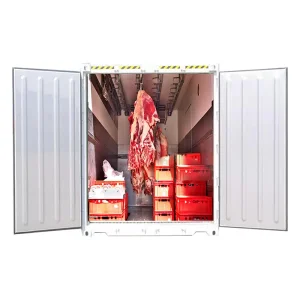
High-precision climate control with dual-temperature monitoring systems, hanging meat rail reinforcements, micro-ventilation ports, and continuous cold-leak mitigation using high-density cycloisopentane-blown polyurethane foam insulation.
UN Portable Tank compliance (T11 to T50) with high-spec PTFE gaskets, 316L pickled and passivated inner vessels, steam heating conduits, and pneumatic emergency safety relief valves for safe intercontinental liquid transshipment.
Standardized ISO exterior framing re-engineered for battery energy storage systems (BESS), decentralized telecom switching shelters, emergency relief field medical complexes, and luxury modular office cabins with integrated acoustic dampening.
Pioneering advancements across low-carbon composite metallurgy, pervasive satellite telematics, automated digital identity tags, and energy-neutral cold-chain topologies.
Factory-integrated 5G/NB-IoT micro-sensors permanently mounted inside structural corner posts. Continuous monitoring of internal humidity, thermal gradients, acoustic vibration, door openings, and structural deflection streams via unified cloud APIs.
Transition toward hydrogen-reduced green Corten steel profiles, dropping embedded manufacturing carbon footprints by 65%. Flooring surfaces replace traditional tropical hardwood veneers with 100% recyclable, rot-proof continuous glass-fiber composite boards.
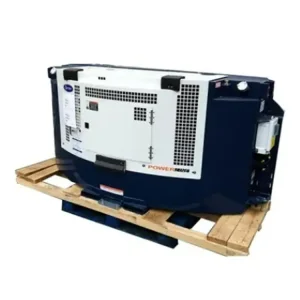
Thin-film photovoltaic roof sheets paired with solid-state lithium buffer packs to maintain auxiliary reefer ventilation during extended rail layovers, eliminating external diesel genset fuel consumption and reducing cold-chain carbon emissions.
Assuring frictionless customs processing, international seaworthiness approvals, and unified certification under the world's major classification registries.
Procuring intermodal container units for deployment across cross-border freight routes requires unwavering adherence to international maritime treaties. Every standard unit manufactured at our facilities comes outfitted with a validated stainless steel International Convention for Safe Containers (CSC) Safety Approval Plate, directly verified and stamped by recognized members of the International Association of Classification Societies (IACS), such as Bureau Veritas (BV), American Bureau of Shipping (ABS), or China Classification Society (CCS).
In offshore applications, adherence extends past ISO 1496 parameters into DNV 2.7-1 (Standard for Certification of Offshore Containers) and EN 12079 compliance. This mandates dynamic shear certifications, charpy V-notch impact toughness tests on parent metal down to -20°C, and complete material tractability from melt shop to final weld inspection. Furthermore, our dedicated logistics export teams assist international buyers with TIR carnet compliance, US Customs 7-Point container inspection verification, and personalized fumigation certification in accordance with Australian Biosecurity (DAFF) standards, eliminating demurrage and terminal delay risks upon discharge.
Complete factory testing certificates, non-destructive testing (NDT) weld reports, coating thickness verification charts, and valid CSC / DNV inspection certificates provided in digital and physical formats prior to vessel departure.
Full compliance with the Customs Convention on Containers (CCC 1972). Dedicated engineering teams facilitate custom serializations, prefix assignment under BIC (Bureau International des Containers), and localized customs documentation.
Long-term global support through localized spare parts hubs in Europe, North America, and Africa. Ready availability of replacement door hardware, corner casting segments, reefer compressor components, and structural Corten patching panels.
Browse advanced modular prefab accommodation cabins, passive thermal insulated dry vans, customized side-loading cargo reefers, and high-purity liquid tanks.
Comprehensive engineering, contractual, and operational guidance curated by senior container manufacturing specialists and international logistics directors.