Direct manufacturer supply of standard dry freight, cryogenic gas, thermal reefer, and multi-modal logistics carriers ready for rapid global deployment.

Navigating the macro landscape of modern containerized logistics: why Fortune 500 corporations, maritime freight cartels, and EPC mega-contractors standardize on the 40-foot format.
The 40-foot intermodal shipping container represents the bedrock of international freight economics, driving over 70% of global maritime cubic capacity. In contrast to 20-foot standard TEUs, which cater primarily to high-density, high-weight cargo such as raw mineral ores and liquid chemicals, the forty-foot standard (40ft GP) and forty-foot high cube (40ft HC) structural envelopes maximize volumetric efficiency for commercial manufactured goods, automotive components, consumer electronics, and palletized temperature-sensitive agricultural freight.
Enterprise procurement professionals operating across multinational engineering supply chains face intense headwinds: surging freight rate fluctuations, strict carbon accounting directives (Scope 3 GHG emissions), and stringent structural certification demands imposed by classification societies like Bureau Veritas (BV), DNV, and the American Bureau of Shipping (ABS). Selecting an elite, famous 40-foot container manufacturer in China—specifically within the northern maritime hub of Tianjin and eastern manufacturing clusters such as Suzhou—provides unprecedented capital advantages, engineering agility, and raw material integration.
With immediate access to primary smelting infrastructure for atmospheric corrosion-resistant Corten-A steel, automated robotic welding suites, and proprietary cathodic electro-deposition paint facilities, top-tier Chinese manufacturers achieve unparalleled metallurgical integrity and economies of scale. Enterprise procurement teams can bypass fragmented brokerage chains, engaging directly with direct OEM/ODM industrial manufacturing lines capable of rapid production runs and direct seaport dispatch.
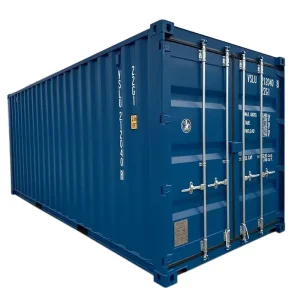
Fabricated exclusively utilizing micro-alloyed SPA-H or Corten-A weathering steel. Forms an adherent copper-phosphorus oxide patina that self-heals under continuous marine saline exposure, resisting rust and corrosion.
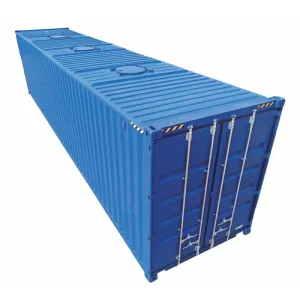
Engineered for maximum internal cubic clearance. The 40ft High Cube format expands interior clear vertical clearance to 2,698 mm (8ft 10in), supporting high-density European, US, and Australian pallet loading arrays.
Engineered to withstand the extreme torsional loads of multi-modal operations: rail well cars, twist-lock chassis transport, and 9-high fully laden shipboard stacking under rough sea state dynamic accelerations.
Comprehensive metallurgical, mechanical, and dimensional parameters governing heavy-duty 40-foot container manufacturing protocols.
| Dimensional & Performance Metric | 40ft General Purpose (GP) | 40ft High Cube (HC) | 40ft High Cube Reefer (Cold Chain) | DNV 2.7-1 / ISO Offshore Spec |
|---|---|---|---|---|
| External Length / Width | 12,192 mm / 2,438 mm | 12,192 mm / 2,438 mm | 12,192 mm / 2,438 mm | 12,192 mm / 2,438 mm |
| External Height | 2,591 mm (8 ft 6 in) | 2,896 mm (9 ft 6 in) | 2,896 mm (9 ft 6 in) | 2,896 mm (Reinforced Top Rails) |
| Internal Cubic Capacity | 67.7 m³ (2,390 cu.ft) | 76.4 m³ (2,698 cu.ft) | 67.9 m³ (Insulated Interior) | Custom Configurable / Heavy Floor |
| Max Gross Weight (Rating) | 30,480 kg (67,200 lbs) | 32,500 kg (71,650 lbs) | 34,000 kg (74,950 lbs) | Up to 36,000 kg Dynamic Rating |
| Floor System Construction | 28mm Hardwood Marine Plywood | 28mm Bamboo/Apitong Composite | Extruded Aluminum T-Floor Section | Checkered Steel Plate (Non-Skid) |
| Thermal Core / Insulation | Non-Insulated Corrugated Steel | Non-Insulated Corrugated Steel | Cyclopentane Polyurethane Foam | A60 Fire-Rated Structural Rockwool |
| Stacking Test Certification | 9-High Stacking (216,000 kg) | 9-High Stacking (216,000 kg) | 9-High Stacking (216,000 kg) | Offshore Dynamic Pad-Eye Load Certified |
Before any production series receives certification plates from BV, ABS, or CCS (China Classification Society), factory prototypes undergo rigorous ISO 1496-1 destructive testing. Our factory testing stations subject structural frameworks to 9-high stacking load tests of 86,400 kg per corner post (totaling 345,600 kg over the unit). Floor strength is tested using heavy pneumatic wheel-load simulators executing 7,260 kg axle passes, verifying structural stability for high-capacity industrial forklifts.
Wall assemblies, manufactured from 1.6mm to 2.0mm vertically corrugated Corten cold-rolled panels, are tested for interior lateral pressure resistance equivalent to 0.6 times maximum payload. Transverse racking tests subject roof structures to 150 kN of diagonal pulling force, preventing structural deformation during multi-modal ocean and rail transits across international borders.
Custom containerization architectures serving energy transition infrastructure, agricultural supply lines, industrial modularization, and heavy automotive freight.
Customized 40ft High Cube enclosures re-engineered as Battery Energy Storage Systems (BESS). Factory-fitted with thermal run-away containment, integrated liquid-cooling piping manifolds, internal structural reinforcements, and clean-agent NFPA-compliant fire suppression conduits.
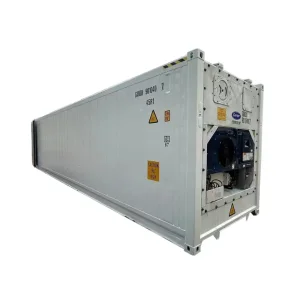
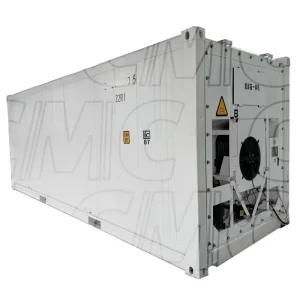
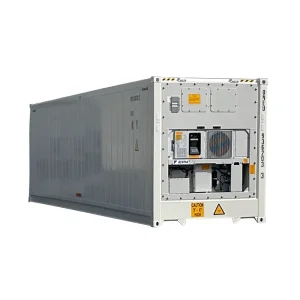
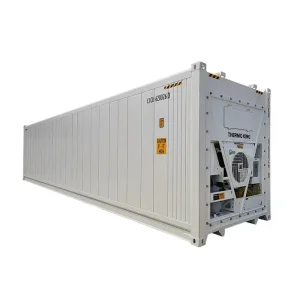
Engineered cold chain reefers built for long-haul maritime and trans-Eurasian railway routes. Factory-integrated with premier refrigeration platforms: Carrier Transicold, Thermo King, and Daikin scroll compressors, preserving vaccine and agricultural shelf life.
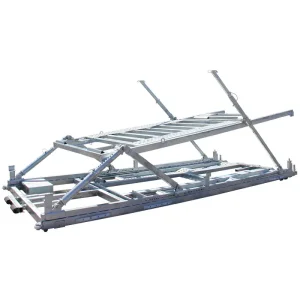
Factory-engineered 40ft High Cube containers featuring modular multi-tier internal vehicle racking systems. Allows the secure stowage of 3 to 4 finished passenger vehicles or battery electric vehicles (EVs) per container, protecting cargo from open-deck environmental degradation.
The convergence of industrial IoT intelligence, ultra-low VOC coatings, and composite materials reshaping maritime asset management.
The conventional static 40-foot metal container is transforming into an intelligent, connected logistical node. Contemporary supply chain shocks demand real-time situational awareness. Leading manufacturing facilities are implementing factory-integrated IoT hardware architectures, equipping newly fabricated enclosures with self-powered telemetry nodes before factory gate release.
Concurrently, regulatory directives targeting industrial volatile organic compounds (VOCs) are driving a manufacturing transition away from solvent-based paints. Our production lines utilize automated waterborne coating systems, reducing VOC output by more than 85% per 40ft container while preserving ISO 12944 C5-M marine anti-corrosion ratings.
Flush-mounted satellite and cellular transceivers embedded in structural roof corrugations. Continuous transmission of geofencing milestones, shock and impact events (3-axis accelerometers), humidity thresholds, and unauthorized door breach detection.
Multi-stage automated surface preparation via steel grit mechanical blasting to ISO Sa 2.5 standards. Application of zinc-rich epoxy primers sealed by high-solids waterborne topcoats, engineered to withstand intense UV exposure and saltwater spray.
Transitioning from tropical apitong timber harvesting to rapidly renewable, strand-woven composite bamboo floor boards. Delivers superior shear modulus, moisture impermeability, and strict compliance with Australian Quarantine Inspection Service (AQIS) standards.
Adherence to global maritime charters ensures rapid customs throughput across Europe, the Americas, Africa, and Australasia.
Navigating cross-border customs checks requires full compliance with international maritime logistics covenants. Factory units leave production lines with verified certification: structural safety approval plates issued pursuant to the International Convention for Safe Containers (CSC 1972), audited under the oversight of classification societies like Bureau Veritas (BV), Lloyd's Register (LR), or DNV.
Our manufacturing center in the Tianjin Free Trade Pilot Area sits less than 100 km from Tianjin Xingang port terminals. This geographic proximity minimizes inland drayage expenses and eliminates carbon-intensive transfer runs. Importers benefit from direct customs clearing support, in-house ocean bill of lading processing, combined chassis transport coordination, and rapid vessel staging.
Certified to ISO 668 (Classification, dimensions, and ratings), ISO 1161 (Corner castings), and ISO 1496-1 (Specification and testing of cargo containers). Fitted with high-grade stainless steel CSC data plates.
Engineered to meet the Customs Convention on the International Transport of Goods Under Cover of TIR Carnets. Fitted with tamper-evident door locking hardware and approved customs seal apertures.
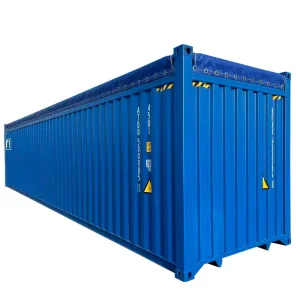
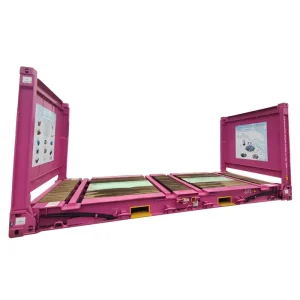
Situated close to North China sea routes. Provides consolidated multi-unit container drop shipping, one-way leased export loading, and specialized flat-rack rigging for oversize cargo.
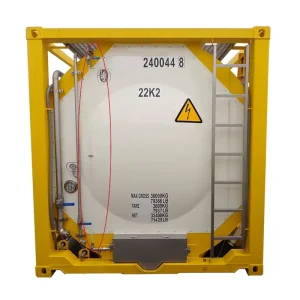
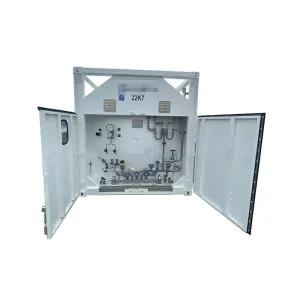
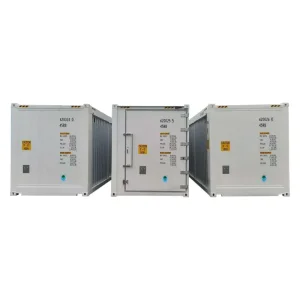
Precision-built bulk, offshore, reefer, and liquid transport enclosures for demanding enterprise requirements.

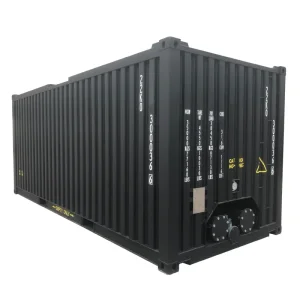
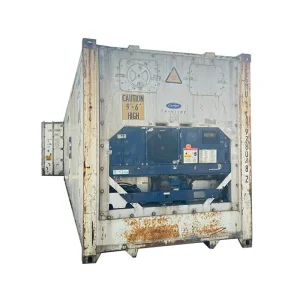
Detailed technical, operational, and commercial answers for international logistics buyers.
Corten-A (SPA-H) incorporates specific micro-alloying elements including copper, chromium, and nickel. When exposed to outdoor maritime atmospheres, it develops a dense, passivating oxide barrier that slows ongoing corrosion. Standard mild steel rusts continuously without a stable patina, requiring frequent repainting and risking structural failure in marine salt environments.
The 40ft High Cube provides an additional 305 mm (1 foot) of vertical clearance over standard 40ft GP units, yielding a total internal volume of 76.4 m³ (versus 67.7 m³). This added height enables double-stacking of standard Euro-pallets (up to 25 pallets) or automated forklift entry with tall cargo, without exceeding standard road transport bridge clearances.
Certification requires destructive prototype testing in compliance with ISO 1496-1 and the International Convention for Safe Containers. Tests include 9-high stacking load tests (up to 86,400 kg per post), dynamic transverse racking, end-wall and side-wall deflection tests, floor strength tests under 7,260 kg axle loads, and automated weather-tightness water jet testing at 100 kPa.
Our 40ft reefer structures support all major refrigeration assemblies: Carrier Transicold ThinLINE/PrimeLINE, Thermo King Magnum Plus, and Daikin LXE Series. These units maintain cargo setpoints between -35°C and +30°C in ambient conditions up to 50°C, and can be optioned with dual-fuel diesel generator sets (gensets) for inland hauling.
Our manufacturing base sits approximately 100 km from Tianjin Xingang port. This short distance lowers drayage transit time to under two hours, avoids interior rail hub bottlenecks, allows flexible gate-in staging during short shipping windows, and cuts inland freight costs by up to $300-$500 per container compared to inland manufacturing plants.
Yes. We deliver custom OEM/ODM solutions: complete side-opening bi-fold doors, specialized roll-up access doors, half-height ore bins, and turnkey Battery Energy Storage System (BESS) enclosures. Structural modifications receive individual Finite Element Analysis (FEA) engineering review and custom classification approval from BV or DNV.
Review engineering schematics, custom equipment profiles, and factory-direct volume pricing for new builds, used fleets, and specialized modular enclosures.
