
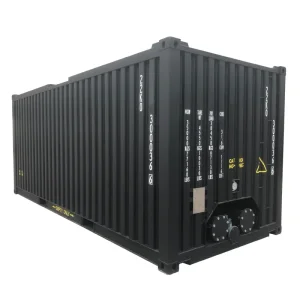
Deployable modular architectures configured for active climate stability, high thermal insulation, and versatile intermodal transport worldwide.
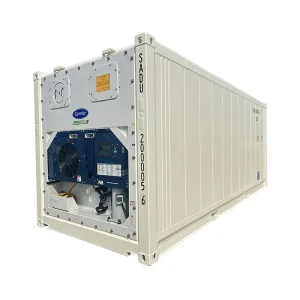
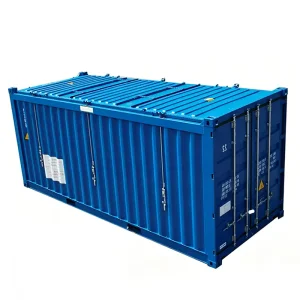
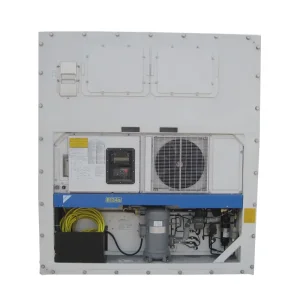
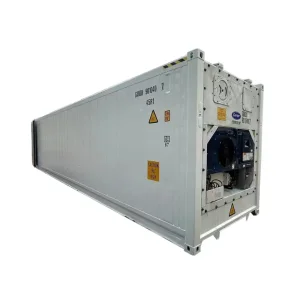

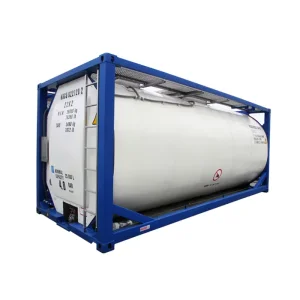
How tier-one agribusinesses, pharmaceuticals, and sovereign food security funds deploy containerized modular ecosystems to bypass environmental disruption.
Traditional greenhouse infrastructure demands significant capital investment and multi-year municipal approvals. Turnkey cultivation containers transform unamortized real estate debt into operational assets, providing asset mobility, depreciation advantages, and scalable modular rollouts across multiple locations.
From GCC desert territories to Arctic permafrost research stations, international procurement focuses on hermetic isolation. Polyurethane insulation (50–75mm core density) and dual-cycle HVAC allow stable internal VPD (Vapor Pressure Deficit) levels irrespective of ambient swings ranging from -40°C to +55°C.
Indoor agritech eliminates external pests, pesticide runoff, and airborne pathogens. High-grade stainless steel interior lining and antimicrobial powder coatings create cleanroom environments meeting GMP standards for medicinal crops, fungal cultivation, and high-value botanical extraction.
How our Tianjin industrial base converts heavy Corten weathering steel into hermetic, high-precision automated growth envelopes.
Constructed with corrugated SPA-H atmospheric corrosion-resistant steel. Anti-corrosive primer systems and robotic seam welding resist sea salt spray during multimodal marine transit and high internal humidity.
Automated robotic cyclopenthane foam injection guarantees uniform wall density (42 kg/m³), eliminating thermal bridging, preventing condensation, and maximizing HVAC thermodynamic performance.
Modular plug-and-play busways allow the installation of variable full-spectrum LED fixtures (PPFD up to 1000 µmol/m²/s) and multi-channel automated dosers with UL/CE certified electrical harnesses.
Integrated T-bar flooring or under-canopy micro-ventilation ductwork distributes conditioning uniformly, preventing micro-climate stagnation and fungal spores across multi-tier vertical racks.
| Technical Metric | 20ft ISO Controlled Chamber | 40ft HC Cultivation Envelope | Modular Custom Configuration |
|---|---|---|---|
| External Dimensions (L×W×H) | 6,058 × 2,438 × 2,591 mm | 12,192 × 2,438 × 2,896 mm | Engineered to Site Specifications |
| Internal Usable Canopy Footprint | Up to 38 m² (Tiered Racking) | Up to 92 m² (Quad-Tier Automated) | Scalable Multi-bay Complexing |
| Insulation Core & Value | PU Foam 50mm / R-Value 28 | High-Density PU 75mm / R-Value 36 | Aerogel / Vacuum Insulated Panels |
| Structural Certifications | ISO 1496-1, CSC Approved | ISO 1496-2, BV, DNV Certified | Offshore DNV 2.7-1 / EN 12079 |
| Integrated Climate Capabilities | -10°C to +35°C Active Regulated | -25°C to +50°C Precision Thermal Loop | Dual-Refrigeration Redundant Loop |
Anticipating the next decade of autonomous Controlled Environment Agriculture, predictive machine diagnostics, and carbon-negative shipping shells.
Integration of optical phenotyping cameras, dynamic transpiration sensors, and edge-computing microcontrollers. Containers self-adjust nutrient dosage, photosynthetic light recipe curves, and CO2 enrichment based on plant stress signals.
Coupling micro-inverter rooftop solar arrays with integrated Lithium-Iron Phosphate (LiFePO4) battery packs mounted in external reefer alcoves, allowing off-grid deployment in remote disaster relief zones and developing logistics hubs.
Interconnected container fleets operating as unified cloud-orchestrated facilities. Decentralized urban nodes dynamically balance localized fresh food demand, cutting transportation emissions and food waste.
Meeting rigorous regulatory standards for international transit, factory validation, and seamless destination port clearance.
Every structural envelope undergoes load deflection tests, rake end-wall tests, and weld non-destructive testing (NDT) to ensure compliance with ISO 9001 and marine safety frameworks.
Supplied with valid International Convention for Safe Containers (CSC) plates, enabling our containerized solutions to move via standard commercial container vessels, freight rail, and low-boy chassis trailers.
Located roughly 100 km from Tianjin's international container terminals, our facilities allow rapid transit from factory testing yards to ship holds, reducing drayage delays and inland transport costs.
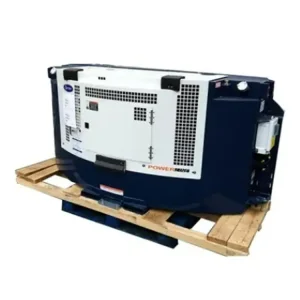
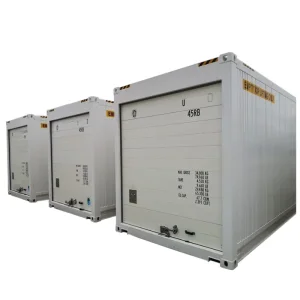
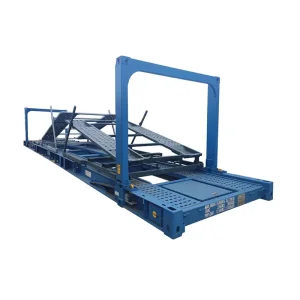
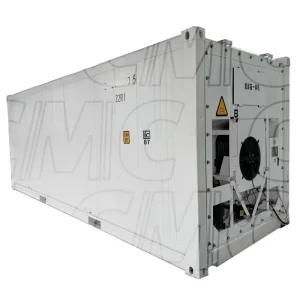
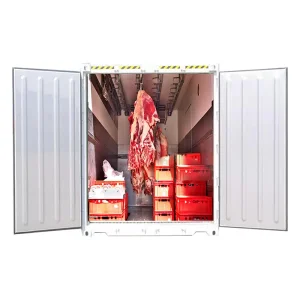
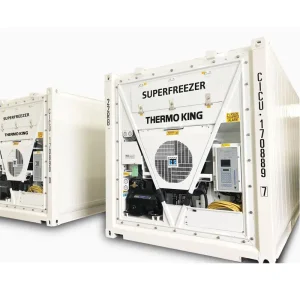
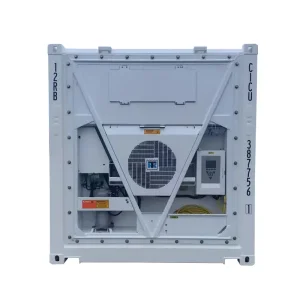
Complementary equipment engineered for demanding industrial, off-grid power, and climate-controlled transit operations.
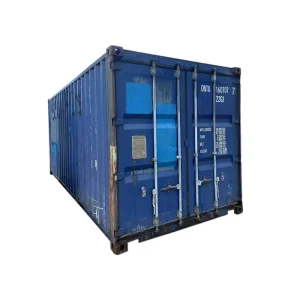

Direct answers to structural engineering, environmental controls, and custom production questions.