Explore our heavy-duty marine, offshore, refrigerated, and modular intermodal shipping containers engineered at our port-adjacent manufacturing hubs in Tianjin and Suzhou, fully compliant with ISO, CSC, DNV, and BV marine safety classifications.

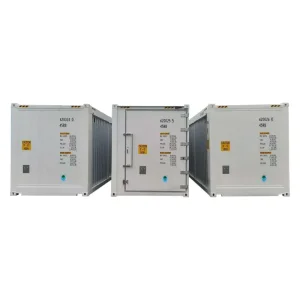
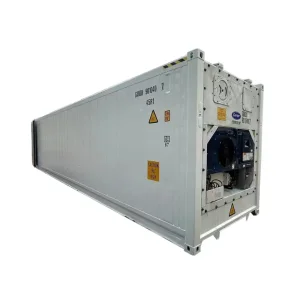
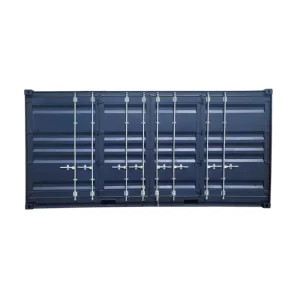
In modern intermodal freight management, the search query and industrial concept of shipping cost containers extends far beyond ocean freight tariff surcharges. It encompasses the total lifecycle capital cost, manufacturing efficiency, material durability, payload maximization, and dynamic landed cost modeling of maritime containers.
Global container factory pricing correlates directly with SPA-H high-strength weathering Corten steel indices. Modern manufacturers engineer containers with optimized corrugated sidewall geometry to reduce tare weight by up to 8.5% without sacrificing stacking compression limits (typically tested to 216,000 kg for 9-high container ship holds).
Global buyers from Rotterdam to Houston are replacing generic leasing contracts with direct manufacturer OEM/ODM asset purchases. By managing equipment lifecycle directly with BV and ISO certified factories, operators reduce per-trip container depreciation expenses by 24% to 38% across intermodal shipping corridors.
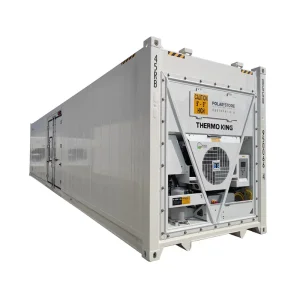
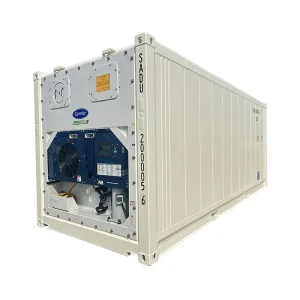
With IMO 2030 and EU ETS carbon taxation directly impacting vessel operating economics, shipping lines demand ultra-low thermal leakage reefer designs. Modern vacuum insulation panels (VIP) and variable-speed scroll compressors from Carrier, Daikin, and Thermo King slash operational power consumption by over 32%.
Purchasing containers from Chinese factories requires an end-to-end evaluation of base steel fabrication, classification certifications, sea-trial approvals, and repositioning logistics to discharge ports.
| Container Classification | Primary Technical Dimensions | Structural Tare Weight | Classification Authority | Landed Lifecycle Advantage |
|---|---|---|---|---|
| 20ft Standard Dry Intermodal | 6,058 × 2,438 × 2,591 mm | 2,180 kg ± 3% | ISO 668 / CSC / BV | Maximized payload for dense industrial machinery, minerals, and chemicals; highest global residual resale liquidity. |
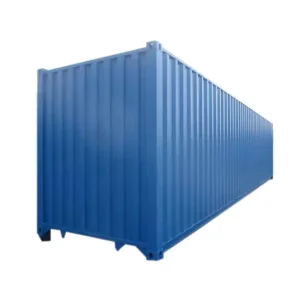
| 40ft High Cube (HC) Dry Cargo | 12,192 × 2,438 × 2,896 mm | 3,820 kg ± 3% | ISO 1496-1 / ABS / CCS | 76.2 m³ cubic capacity; lowest per-cubic-meter ocean transport cost for volumetric consumer goods and e-commerce. |
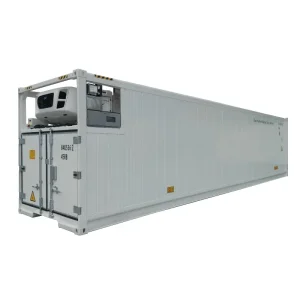
| 40ft High Cube Marine Reefer | 12,192 × 2,438 × 2,896 mm | 4,480 kg (with unit) | ATP / BV / ISO Reefer Class | Integrated micro-controller telemetry, stainless steel interior linings, and active controlled atmosphere (CA) technology. |
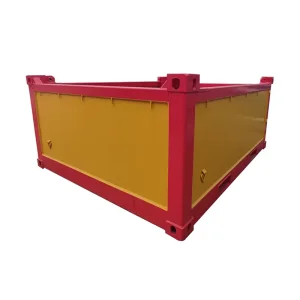
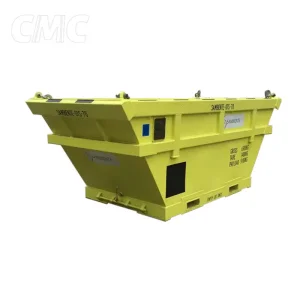
| 20ft DNV Offshore Cargo Basket | 6,058 × 2,438 × 1,280 mm | 2,950 kg | DNV 2.7-1 / EN 12079 | Forged dynamic lifting slings, sub-zero impact resistance steel (-20°C charpy test), certified for turbulent rough-sea rig supply. |
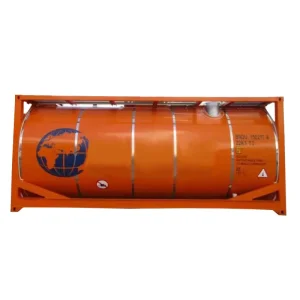
| 20ft ISO Intermodal Gas Tank (T50) | 6,058 × 2,438 × 2,591 mm | 5,100 kg | ASME VIII / IMDG / ADR / RID | Multi-modal seamless transit of pressurized LPG, ammonia, and chemical agents without decanting or handling hazards. |
When shipping high volumes into regions with chronic chassis or port congestion, carrier-owned container demurrage and detention charges can exceed $150 to $280 per container per day after the standard 5-to-7 day free window. Procuring directly through a specialized Chinese exporter turns non-recoverable carrier penalty fees into an enduring balance-sheet capital asset. Shipper-Owned Containers (SOC) can be used as local static storage or resold into local African, South American, or European inland markets at 60–80% of original factory acquisition value.
The lifecycle cost of maritime shipping containers is dictated by surface treatment longevity. Leading factories apply zinc-rich epoxy primers followed by intermediate epoxy polyamide coats and polyurethane exterior topcoats totaling 120-140 microns dry film thickness (DFT). This ensures salt-fog resistance exceeding 3,000 hours in accordance with ISO 12944 C5-M extreme marine corrosion classifications, drastically cutting maintenance costs over 15+ years of operational service.
Founded in 1983, Tianjin Cimic Imp&Exp Co., Ltd. represents the benchmark of industrial scale, port proximity, and certified equipment export for global procurement consortia.
Our strategic industrial footprint across Northern and Eastern China sits approximately 100 kilometers from prime deep-water seaports (Tianjin Port and Shanghai Port). This geographical synergy eliminates complex inland drayage bottlenecks and ensures seamless berth loading for outbound vessels.
Every single container leaving the assembly line undergo rigid welding non-destructive testing (NDT), dimensional laser verification, underframe strength tests, door gasket watertightness inspections under high-pressure water deluge, and Bureau Veritas classification certification.
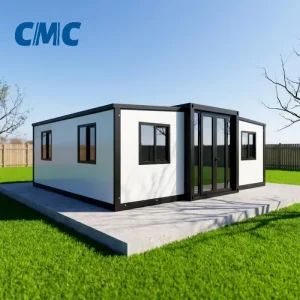
Beyond standardized ISO dry boxes, our dedicated R&D engineering department customizes multi-temperature reefers, side-curtain haulers, expandable container dwellings, offshore DNV certified baskets, and dangerous goods transport containers with certified fire-rated insulation.
Container engineering must align with the mechanical stresses, climatic variations, and operational realities of specific industrial deployment sectors.
Railway intermodal transits between Chongqing/Xi'an and Duisburg/Rotterdam expose containers to extreme temperature swings (-40°C in Siberian winter to +45°C in Central Asian summer). Our specialized railway reefer containers feature dual-fuel diesel-electric auxiliary generators (gensets), heavy-duty chassis locking points, and reinforced floor longitudinals capable of sustaining heavy 25-ton axle loads over 11,000 kilometers of continuous rail track vibration.
Harsh marine environments on offshore oil rigs and wind turbine substations prohibit the use of standard ISO freight boxes. Our offshore basket containers, certified under DNV 2.7-1 and EN 12079, are engineered with specialized offshore pad-eyes, heavy structural crash-frames, and verified dynamic snatch-lift capacity to withstand harsh wave-induced impact forces during vessel-to-rig crane transfers.
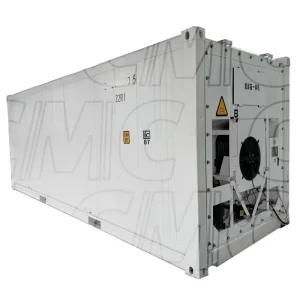
Commercial agricultural processors, pharmaceutical suppliers, and remote mine exploration camps require rapidly deployable cold storage. Our 40ft High Cube Carrier/Daikin combination refrigerated units function as standalone stationary cold rooms, featuring interior food-grade T-bar aluminum air circulation flooring, emergency inside safety door releases, and energy-saving digital frequency-inversion compressors.
A shipping container cannot legally enter international intermodal traffic without rigorous third-party safety verifications. CIMIC provides absolute regulatory certainty across every consignment.
All dry, reefer, and open-top containers manufactured by CIMIC carry an authentic, permanent CSC (International Convention for Safe Containers) safety approval plate riveted directly to the left rear door. This plate certifies that the design type has completed full physical type testing—including roof load tests (300 kg over 600×300 mm), floor strength testing (7,260 kg front axle forklift wheel load per ISO 1496-1), transverse racking tests, and longitudinal restraint dynamic testing.
In addition to custom factory-line production runs, CIMIC maintains active container stock depots across major Chinese maritime export hubs including Tianjin, Qingdao, Shanghai, Ningbo, and Shenzhen. This dual-track operational model allows international logistics operators to procure both brand-new units and premium 90% cargo-worthy used containers on immediate release terms, minimizing repositioning dwell times and expediting fast vessel departures.
The next decade of container manufacturing is defined by pervasive IoT telematics, structural composite innovations, and closed-loop lifecycle circularity.
Modern CIMIC reefer and high-value dry containers can be factory-equipped with flush-mounted, ATEX-certified solar-powered IoT micro-transceivers. These units relay real-time geofenced GPS positioning, door open/close optical sensor triggers, internal humidity, multi-axis shock/impact telemetry, and real-time reefer compressor diagnostics via 5G and L-band satellite constellations.
Traditional 28mm Apitong hardwood marine plywood floorings are being transitioned to sustainably certified bamboo composites and glass-fiber reinforced thermoplastic (CFRTP) floor sandwich panels. These advanced materials eliminate chemical fumigation requirements, offer 100% insect resistance, and slash tare weight by up to 180 kg per 40ft HC unit, yielding permanent lifecycle fuel economies.
In anticipation of stringent F-gas regulations phasing out high-GWP HFCs (such as R-134a and R-404A), our refrigeration engineers are pioneering production-line integration of transcritical CO2 (R-744) refrigeration units. With a Global Warming Potential (GWP) of exactly 1, non-flammable operating profiles, and superior low-temperature freezing performance, our reefer fleet offers unmatched regulatory compliance.
In-depth engineering and commercial clarification on container procurement, factory lead times, certification validations, and operational deployment.
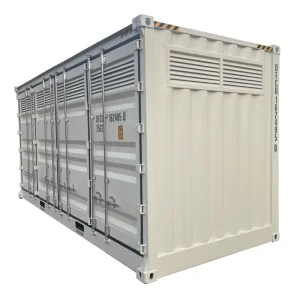
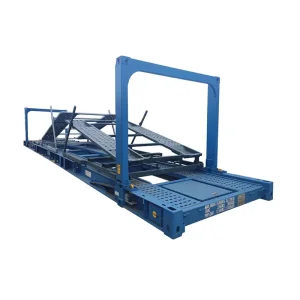
Explore our specialized range of modular homes, bulk tarpaulin open-top units, Belt and Road railway reefers, ISO liquid tank containers, and automotive carriers engineered for mission-critical logistics.
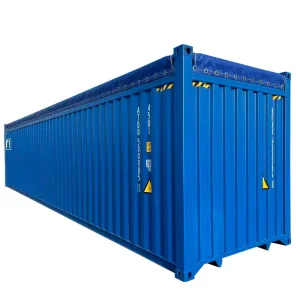
Request an immediate engineering consultation, customized CAD floorplan layouts, and an all-inclusive FOB/CIF landed price quote directly from our Tianjin manufacturing headquarters.
