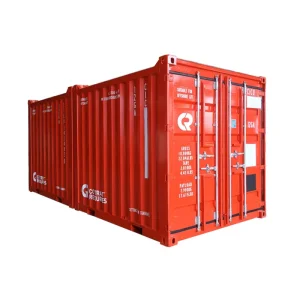
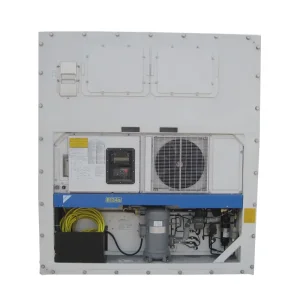
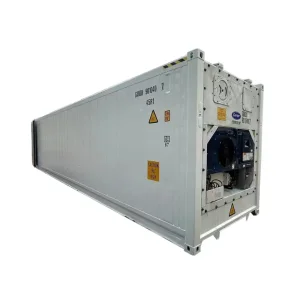
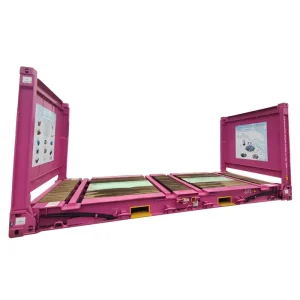
Explore our foundational array of specialized shipping containers, engineered with certified pressure-vessel integrity and precision thermal resistance for multi-modal logistics.
The global shipping container tank (ISO tank) market has transformed into an indispensable asset class for bulk chemical, energy, and liquid food industries worldwide.
Global petrochemical supply chains are shifting rapidly away from steel drums and intermediate bulk containers (IBCs) toward standardized ISO tanks. With strict adherence to IMDG and ADR directives, container tanks mitigate handling hazards, slash transshipment spillage risks, and deliver exceptional structural defense under severe sea-state stresses.
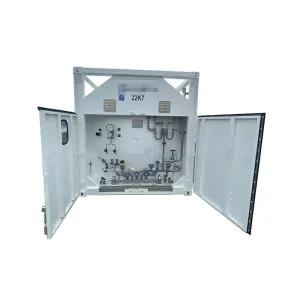
The global acceleration toward liquefied natural gas (LNG), liquid nitrogen, and green hydrogen demands T75 cryogenic containers capable of prolonged holding times. High-vacuum multi-layer thermal insulation and specialized valve assemblies safeguard ultra-low temperatures, enabling seamless intermodal regional gas distribution without static pipeline dependencies.
Agricultural and liquid dietary markets mandate sterile logistics. Premium food-grade ISO tanks feature electropolished 316L stainless steel interiors, steam and electric heating systems, and clean-in-place (CIP) spray assemblies that guarantee high product purity across long-haul marine transits while adhering fully to international food safety regulations.
Container tanks operate under demanding logistical parameters. Our product engineering adapts directly to harsh climates, regional regulatory frameworks, and specialized handling requirements.
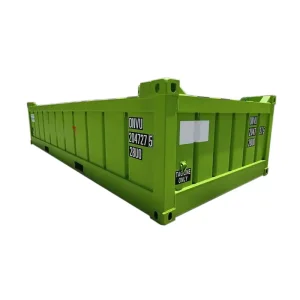
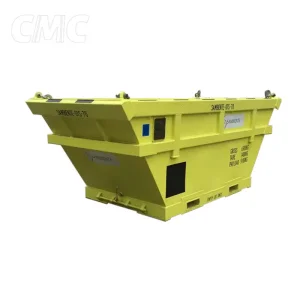
Built under DNV 2.7-1 / EN 12079 structural certification, our offshore tank units and silt baskets withstand continuous dynamic shock loads, aggressive salt-spray corrosion, and rough offshore crane transfer procedures across harsh North Sea and Gulf of Guinea environments.
Equipped with heavy-duty rock-wool thermal insulation and outer cladding shields, these specialized units prevent payload viscosity spikes or hazardous thermal expansion during high-ambient Sahara, Australian outback, and Middle Eastern desert transits.
In developing regions lacking fixed cryogenic terminals, our T75 and high-cube liquid units function as plug-and-play localized holding plants, supporting rural hospitals, cold-chain hubs, and manufacturing facilities with instant, modular bulk-capacity deployment.
Reinforced ISO corner castings, optimized tare weights, and heavy-duty anti-wave internal baffles ensure exceptional operational stability across fast-transition rail-to-road corridors without dynamic sloshing risks or axle overloads.
Operating near Tianjin and Suzhou seaports, our integrated fabrication ecosystem delivers unmatched production turnaround, strict metallurgical standards, and reliable global fulfillment.
Every pressure shell undergoes submerged-arc longitudinal and circumferential welding under strict automated monitoring. Our facilities execute 100% Non-Destructive Testing (NDT)—incorporating digital X-ray radiography, ultrasonic thickness scanning, and hydrostatic pressure qualification.
Our localized industrial cluster guarantees direct access to premium certified Corten-A weathering steel, high-purity cryogenic austenite 304/316L plates, specialized valves from international brands, and custom composite insulation materials without foreign supply vulnerabilities.
Strategically positioned only ~100 km from major container transshipment ports, our production yards reduce inland drayage lead-times, mitigate repositioning overheads, and streamline immediate vessel staging for rapid export across global shipping lanes.
Intermodal shipping containers are evolving into intelligent, self-diagnosing logistical assets powered by real-time IoT architectures and advanced metallurgical innovation.
Next-generation tank containers feature ATEX/IECEx certified sensory networks. Operators obtain 24/7 visibility into ullage pressure levels, core payload temperatures, liquid-level variations, and geo-fenced transit checkpoints via unified cloud-based telemetry platforms.
Our material roadmap integrates dual-phase stainless steels (Duplex 2205) and fluoropolymer internal linings that deliver superior resistance to pitting, hydrochloric corrosion, and stress fatigue while actively lowering container tare weight to maximize payload efficiency.
Transitioning beyond conventional external power dependencies, hybrid solar-backed telemetry and energy-efficient DC inverter systems preserve precise cargo chill points, reducing overall life-cycle carbon footprints across intermodal shipping routes.
International chemical and maritime handling necessitates unimpeachable regulatory documentation and active support across global ports of entry.
Every newly built unit is fully certified with valid CSC (International Convention for Safe Containers) safety approval plates, alongside Bureau Veritas (BV), ISO 9001 quality metrics, and DNV offshore lift authorizations.
Manufactured to IMDG, US DOT, RID, and ADR specifications, our tank products undergo rigorous design type inspections covering impact, cyclic pressure, dynamic frame fatigue, and emergency relief venting parameters.
Through our operational partner network across Europe, the Americas, Africa, and Australasia, clients receive replacement seals, relief valves, manifold components, and specialized re-certification guidance wherever cargo docks.
Direct technical answers from our engineering team covering operational life cycles, certifications, payload compatibility, and custom fabrication.
T11 tanks are intended for non-hazardous and hazardous liquid chemicals, oils, and food products with lower working pressure limits. T75 containers are specifically engineered double-walled vacuum-insulated cryogenic vessels designed to store and move refrigerated liquefied gases like LNG, LOX, LIN, and LAR at sub-zero temperatures.
Under IMDG and international regulations, ISO tanks must undergo an intermediate inspection every 2.5 years (external visual inspection, leakage test, and valve servicing) and a complete hydrostatic and structural pressure test every 5 years to maintain active regulatory validity on commercial shipping routes.
Yes. Depending on product characteristics, concentration, and transport temperature, our factories apply PTFE, PFA, rubber, or specialized phenolic linings designed to handle highly aggressive substances like hydrochloric acid, phosphoric acid, and specialized industrial solvents.
Each unit ships with its complete manufacturing dossier: classification society approval certificates (BV, DNV, or equivalent), CSC safety plate data, NDT X-ray reports, pressure test verification certificates, cleaning documentation, and material traceability test logs.
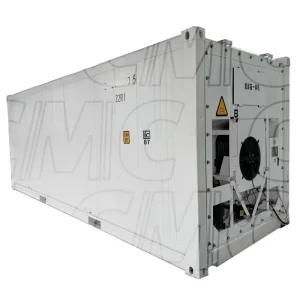
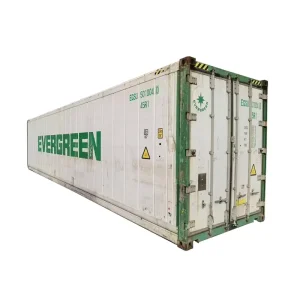
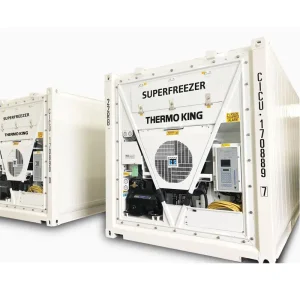
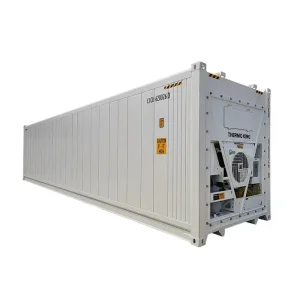
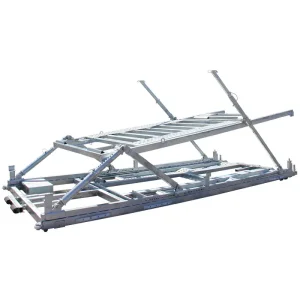
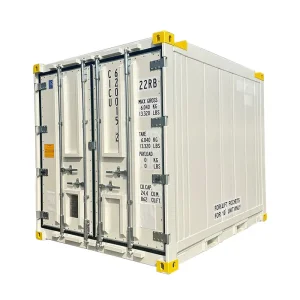
Complete your fleet infrastructure with high-cube reefers, certified vehicle racks, platform flats, and modular liquid storage systems built to exacting global tolerances.