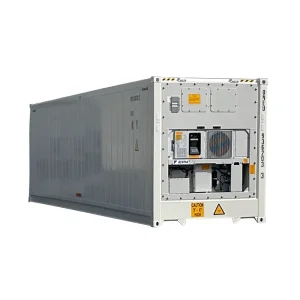
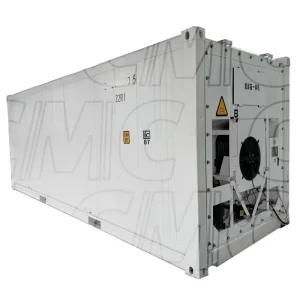
Explore factory-certified intermodal containers manufactured to ISO 1496 and BV classification standards, integrated with Carrier, Daikin, and Thermo King thermal engines.
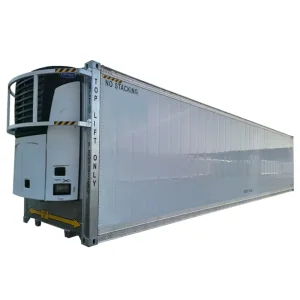
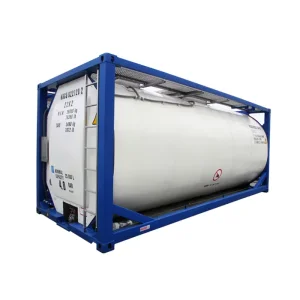
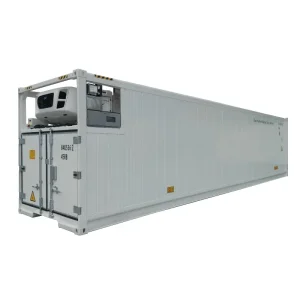
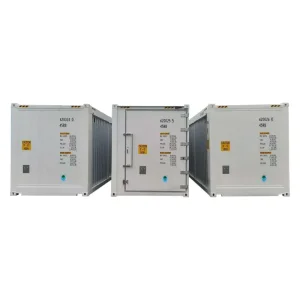
In intermodal freight logistics, container roofs and top corner castings endure continuous cyclic fatigue, stack stress, dynamic rack deflections, and severe weather exposure. An in-depth evaluation of heavy Corten steel fabrication, robotic automated seam sealing, and structural ISO compliance.
Modern container roofs, headers, and upper side rails utilize atmospheric corrosion-resistant SPA-H Corten steel. When exposed to ocean salts, this structural formulation produces an impermeable copper-chromium-nickel patina that restricts progressive oxidative degradation, maintaining structural elasticity over a 25-year design lifespan.
Our container top assemblies incorporate die-pressed corrugation troughs (die-formed at 2.0mm to 2.5mm profiles) with a crowned cross-section camber. This deliberate 5mm longitudinal crown drives rapid hydraulic runoff, avoiding water pooling while surpassing ISO 1496 transverse roof loading thresholds of 300 kg (660 lbs) over a 600x300mm footprint.
Precision SCW480 cast steel top corner castings are heat-treated to normalize mechanical microstructures. Fully penetrated gas metal arc welding (GMAW) binds the castings with longitudinal top side rails and crossheaders, sustaining vertical stacking static forces of 216,000 kg (equivalent to 9-high stacked loaded 40ft units).
Modern container systems must be engineered around operational scenarios. We design, weld, and inspect container tops and frames to handle specific mechanical stresses across international supply chains.
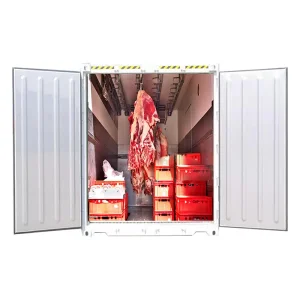
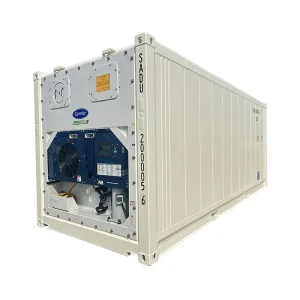
Active refrigeration environments (Carrier Transicold, Daikin, Thermo King) demand continuous thermal barriers. Our refrigerated tops utilize high-density, closed-cell polyurethane foam injected at 45 kg/m³ density, reinforced with dual-wall sandwich skins of food-grade SUS304 stainless steel or prepainted aluminum alloy. This structure yields high thermal values (U-factors < 0.38 W/m²K), preventing temperature spikes during deep-freeze transfers of seafood, meat, and biological pharmaceuticals.
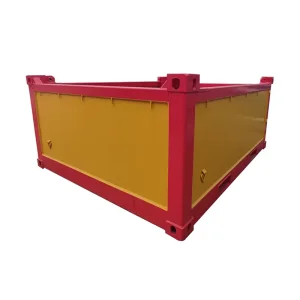
Offshore exploration platforms present intense ocean chop and snatch-lifting stresses. CIMIC offshore container tops and pad eyes are certified to DNV 2.7-1 / EN 12079. We design pad-eye brackets welded directly to main longitudinal upper members, qualified through non-destructive testing (MPI/UT) down to -20°C dynamic impact ratings, ensuring structural safety during subsea and vessel crane rigging operations.
For chemical transport via ISO tank containers, the top spill-box and walkway structure prevent hazardous cargo loss during slosh transients. Top walkways use slip-resistant perforated aluminum surfaces paired with calibrated pressure relief valves (PRVs) and vapor recovery ports, fully conforming to ADR, RID, IMDG, and ASME Section VIII standards.
Railway lines traversing China, Central Asia, and Europe face temperature variations from -40°C to +50°C. Our specialized 40ft and 45ft high-cube rail containers feature reinforced roof panel joints and modified dynamic corner restraint assemblies, handling high-speed wind buffeting, tunnel blast overpressures, and rough rail yard shunting impacts without seam separation.
Located within a 100km radius of the major seaport at Tianjin and supported by a manufacturing center in Suzhou, our production network eliminates inland transshipment friction while maintaining complete traceability from billet to finished unit.
Container roof panels are stamped on automated hydraulic multi-point tooling stations and welded via tandem-wire submerged arc welding (SAW) tracks. This process prevents human weld stutter, stabilizes penetration across the SPA-H corrugation seams, and removes slag inclusions to safeguard against micro-fissure leakage during offshore transit.
Surfaces undergo automated steel shot-blasting to Swedish Sa 2.5 profile standards, eliminating mill scale. The automated paint line applies a zinc-rich epoxy primer (30µm), a high-build epoxy intermediate (40µm), and an aliphatic polyurethane topcoat (50µm). This multi-stage finish passes 3,000-hour neutral salt-spray testing per ISO 9227 without blistering.
Our facilities sit roughly 100km from Tianjin Port, enabling direct tractor-trailer port drayage without double-handling or rail shunts. By booking factory-to-berth vessel windows directly with global shipping lines, we minimize export staging costs and shorten transpacific and European lead times by 7 to 10 days.
Intermodal equipment must satisfy complex maritime, customs, and railway approvals to move smoothly across international borders. We manage complete certification trails before delivery.
Every container leaves our assembly line with an authentic stainless steel International Convention for Safe Containers (CSC) Safety Approval Plate. This confirms third-party certification of floor strength, racking resistance, wall transverse deflection, and vertical stacking capabilities under the supervision of BV or LR surveyors.
Our international transport designs comply with TIR customs seal requirements, featuring tamper-proof hinge pins and customs seal protection plates. For trans-Eurasian rail logistics, units meet UIC 592 regulations, verifying clear passage through railway gauge tunnels across varied track systems.
International buyers can review digital factory acceptance files or assign regional classification surveyors (DNV, Bureau Veritas, ABS). Inspections include full pneumatic weather-tightness checks, laser squareness verification, and destructive load testing on sample run runs before bill-of-lading release.
The next decade of intermodal freight focuses on operational intelligence, fleet-wide decarbonization, and low-tare structural composites. Our research center is driving this shift through targeted technical initiatives.
Integrating monocrystalline, walk-safe flexible PV arrays flush into container roof corrugations. Paired with low-profile satellite IoT transmitters, this setup powers real-time cargo temperature monitoring, reefer compressor pre-tripping, and unauthorized door-opening alerts without shore power.
Partnering with domestic metallurgical laboratories to deploy third-generation automotive-grade advanced high-strength steel (AHSS) across roof and side panels. Target: drop structural tare weights by 18% without sacrificing ISO vertical stacking strength, lowering rail and road haulage fuel burn.
Transitioning reefer and insulated product lines toward bio-derived cyclopentane foaming matrices and recyclable thermoplastic composites. This system delivers zero ozone depletion potential (ODP) and global warming potential (GWP) metrics under 1, in compliance with evolving EU carbon import rules.
| Container Model Class | Structural Metallurgy | Roof Gauge Thickness | Static Stacking Rating | Thermal Transmittance (U) | Applicable Classification |
|---|---|---|---|---|---|
| 40ft High-Cube Active Reefer | SPA-H Corten & SUS304 | 2.0mm Corrugated Corten | 216,000 kg (9-High) | < 0.36 W/(m²·K) | ISO 1496-2, BV, TIR, ATP |
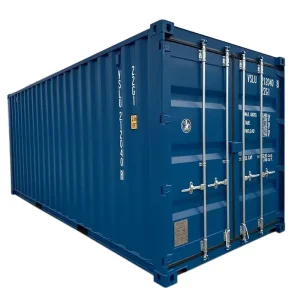
| 20ft Standard Dry Intermodal | SPA-H Corten Steel | 2.0mm Corten-A Cambered | 192,000 kg (8-High) | Uninsulated | ISO 1496-1, CSC, UIC 592 |
| DNV 2.7-1 Offshore Cargo Basket | Q345E / S355 Low-Temp Steel | Open Top / Reinforced Sills | Dynamic Lifting Certified | N/A | DNV GL 2.7-1, EN 12079 |
| 20ft Chemical ISO Tank Container | 316L Stainless Shell / Corten Frame | Spill Box Protective Cover | 216,000 kg | Optional Steam/PU Wrap | ASME Sec VIII, IMDG, ADR/RID |
| 40ft Thickened Foam Passive Insulated | Galvanized & Corten Frame | 2.0mm Stamped Steel Cap | 192,000 kg | < 0.42 W/(m²·K) | ISO Standard, CSC Plate, BV |
For global leasing companies, shipping consortia, and institutional asset funds, container purchasing decisions hinge on long-term total cost of ownership (TCO) rather than short-term purchase margins.
While generic mild-steel builds face severe roof thinning and pinhole corrosion after 8–10 years, our automated shot-peened Corten structures paired with C5-M high-solids polyurethane coatings regularly reach 18–25 years of service. This longevity slows residual asset depreciation across fleet balance sheets.
Standard shipping containers often require modification for mining bunkhouses, data centers, mobile power units, or pallet sorting yards. Our design team supports custom layouts: roll-up doors, full-length side-access curtains, heavy-load floor tracks, reinforced roof hatches, and custom port penetrations.
While broad-scale line runs support multi-thousand container orders, our flexible manufacturing cells accommodate custom prototypes and small trial batches (1 to 5 units). Importers can validate clearance and fit-out requirements before committing capital to full fleet production runs.
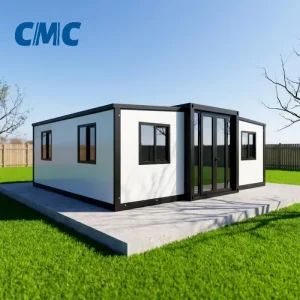
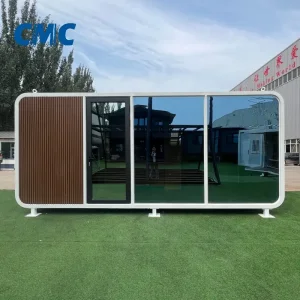
Browse certified specialized containers, heavy ore haulers, double-door dry cargo units, and modular prefab housing modules ready for global export staging.
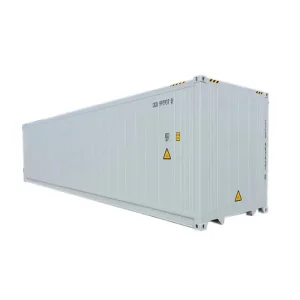
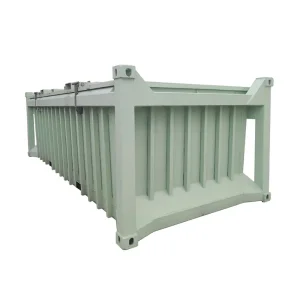
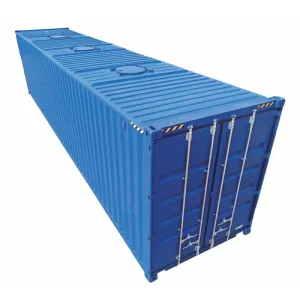
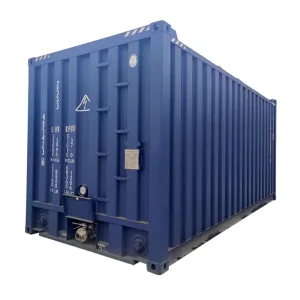
Detailed engineering answers covering steel metallurgy, pressure testing protocols, custom modifications, and international shipping classification.
We manufacture structural components using genuine SPA-H atmospheric corrosion-resistant Corten steel (conforming to JIS G3125 standards) with a minimum yield strength of 355 MPa and ultimate tensile strength up to 490 MPa. This metallurgy develops a dense, stable oxide layer that protects the underlying steel in harsh marine environments.
Finished containers undergo a multi-step quality audit. First, roof panels are built with a 5mm longitudinal crown camber to prevent standing water pools. We then run high-pressure water nozzle testing across all seam joints at 200 kPa (2 bar) pressure, matching ISO 1496 weather-tightness requirements. Rebar-reinforced and insulated reefers also undergo ultrasonic leak detection across welded door headers and joints.
Our ISO containers are certified to safely withstand a vertical compressive load of 216,000 kg (476,200 lbs) through the corner posts and top corner castings, satisfying a 9-high fully laden stacking condition (based on a 24,000 kg gross operational rating for 20ft units and 32,500 kg for 40ft units). Testing is witnessed and certified by Bureau Veritas (BV) or Lloyd's Register (LR) surveyors.
Yes. Through our specialized engineering department, we manufacture modified roof configurations with integrated C-channel internal stiffeners, secondary baseplates, unistrut frames, and engineered top access hatches. These custom designs support rooftop condensing units, heavy ventilation louvers, walk-on safety grating, and modular solar panel racking without compromising structural integrity.
Every export shipment includes a full document pack: the stamped CSC safety approval certificate, mill test certificates (MTCs) tracking steel melt origins, paint thickness and adhesion test records, and dry air / helium refrigeration sign-offs for reefers. Offshore units also carry DNV 2.7-1 / EN 12079 design appraisal documents, sling assembly inspection reports, and non-destructive examination (NDE) logs.
