Explore high-performance refrigerated, offshore, modular, and specialized container systems engineered directly for global chemical distributors, offshore rigs, and intermodal freight operators.
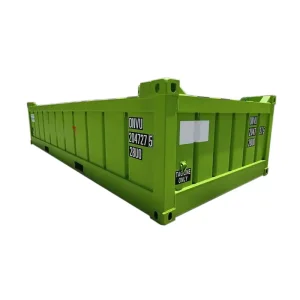
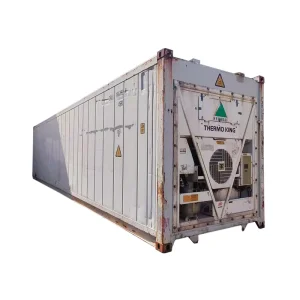
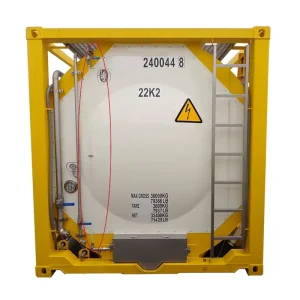
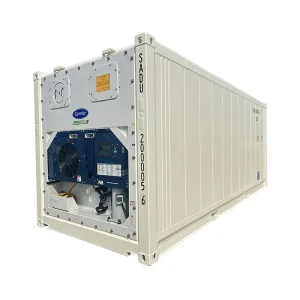
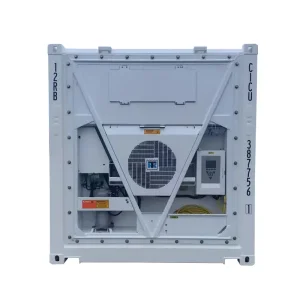
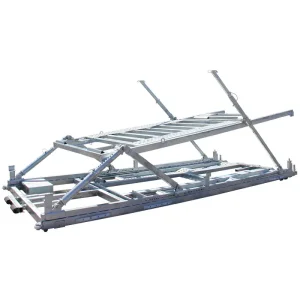
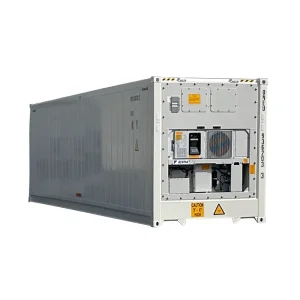
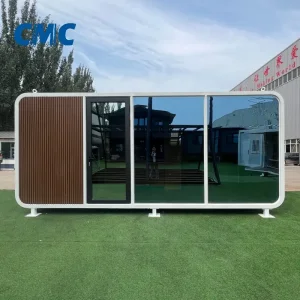
A rigorous review of structural integrity, pressure vessel thermodynamics, metallurgical coatings, and international compliance criteria for cross-border liquid and gas bulk haulage.
In modern intermodal supply chains, ODM (Original Design Manufacturer) shipping container tanks, universally referred to as ISO tank containers or portable tanks, represent the apex of bulk liquid and liquefied gas transportation efficiency. Governed by exacting international criteria including ISO 1496-3 (Series 1 tank containers for liquids, gases, and pressurized dry bulk), the International Maritime Dangerous Goods (IMDG) Code, and ASME Boiler and Pressure Vessel Code (Section VIII, Division 1), an ISO tank consists of two fundamental sub-assemblies: a calibrated cylindrical pressure vessel (barrel) and a structural carbon steel load-bearing outer framework.
Unlike standard flexitanks or single-use steel drums that generate extensive packaging waste and heighten environmental spill risks, a customized ODM tank container offers a reusable, 30-year operational lifecycle. Designed to withstand dynamic stresses exceeding 2.0g longitudinal acceleration under fully loaded conditions (typically tested at 4.0g impact per rail crash testing protocols), these mobile pressure vessels minimize operational risk across oceanic, railway, and highway transport corridors.
Shell metallurgy dictates chemical resistance, tare weight optimization, and allowable operating pressures. We engineer pressure vessels utilizing austenitic stainless steels, structural duplex alloys, and carbon steels.
For aggressive Class 8 corrosives such as hydrochloric acid (HCl), hydrofluoric acid (HF), and high-purity phosphoric acid, bare stainless steel is susceptible to pitting corrosion and stress cracking.
Temperature-sensitive cargo—such as methylene diphenyl diisocyanate (MDI), chocolate pastes, or liquid bitumen—mandates integrated thermal management to prevent solidifying or degradation.
Benchmark operational parameters, test pressures, capacity thresholds, and international classifications across standard UN Portable Tank designations.
| Tank Code (UN Portable) | Typical Volume Range | Shell Material / Liner | Working Pressure (MAWP) | Target Cargo Category | Key International Certifications |
|---|---|---|---|---|---|
| T11 Standard Liquid | 21,000L – 26,000L | SS316L / Raw or EP Finish | 4.00 bar (58.0 psi) | General chemicals, food oils, ethanol, lube oils | IMDG / CSC / ADR / RID |
| T14 Highly Corrosive | 14,000L – 20,000L | Carbon Steel + PTFE / Rubber | 4.00 bar (58.0 psi) | Hydrochloric Acid, Sulfuric Acid, Caustic Soda | ASME VIII / IMDG / US DOT |
| T50 Pressurized Gas | 24,000L – 25,500L | High-Strength Fine Grain Steel | 15.0 – 27.5 bar (398 psi) | LPG, Propane, Anhydrous Ammonia, Refrigerant R22 | BV / DNV / GB150 / ADR |
| T75 Cryogenic Vessel | 20,000L – 45,000L | Inner: SS304/316; Outer: Carbon | 6.0 – 16.0 bar (High Vacuum) | LNG, Liquid Nitrogen, Liquid Oxygen, Liquid Argon | ASME "U" / EN 13530 / DNV |
| Food-Grade Dedicated | 24,000L – 27,000L | 316L (Ra < 0.4 μm) / Insulated | 2.65 – 4.00 bar | Potable alcohol, wine, juices, edible syrups | FDA / 3-A Sanitary / CSC |
Ensuring complete regulatory harmonization across international sea corridors, North American rail networks, European ADR transit routes, and offshore platforms.
Container frames deployed in marine offshore exploration must survive violent heave, pitch, and snatch dynamics during lifting by vessel cranes in open seas (Sea State 6 conditions).
Cross-border transit through the Port of Rotterdam, Houston, or Hamburg demands immediate documentation clearance without regulatory quarantine or customs delay.
For international buyers seeking premium quality assurance, ASME Section VIII Division 1 "U" Stamp validation represents the pinnacle of structural metallurgical integrity.
Combining world-class specialized metallurgical metallurgy, automated robotic welding lines, and seamless proximity to major North China container terminals.
Direct supply contracts with premier domestic mills (TISCO, Baosteel) guarantee batch-tracked stainless steel coils with strictly controlled ferrite levels and zero mill scale imperfections.
Longitudinal shell seams are welded utilizing automated Submerged Arc Welding (SAW) stations. Precise heat control minimizes the heat-affected zone (HAZ) and preserves corrosion resistance.
Situated within ~100 km of Tianjin Port, eliminating excessive domestic inland drayage costs. Units can be directly loaded onto container vessels as SOC (Shipper Owned Containers) filled with revenue cargo.
From CAD simulation and Finite Element Analysis (FEA) to bespoke valving arrangements (Fort Vale, Perolo), every tank is customized to client fluid viscosity, vapor pressure, and handling protocols.
How global tank container leasing firms, multi-national chemical producers, and EPC contractors approach fleet modernization, asset tracking, and ESG decarbonization.
Enterprise chemical logistics operators are eliminating operational blind spots. Modern fleets incorporate ATEX Zone 0 certified IoT gateway devices.
ISO tank containers deliver up to 40% lower carbon footprints per ton-kilometer transported compared to single-trip Intermediate Bulk Containers (IBCs) or steel drums.
Cross-contamination between alternating chemical cargoes ruins entire batches. Our ODM interior finishes are optimized for automated 3D rotary jet washing systems.
Engineered to conquer diverse physical operating environments, from remote arctic energy projects to food-grade beverage logistics.
Delivering methanol, corrosion inhibitors, and demulsifiers directly to offshore floating production storage and offloading (FPSO) units. Built with DNV 2.7-1 offshore frames, specialized four-point lift chains, and heavy-duty 316L shells rated for harsh ocean spray and heavy vibration environments.
Transcontinental delivery of bulk single-malt whisky, premium wine, juices, and virgin olive oil. Constructed with strict food contact material (FCM) compliance, inert nitrogen blanketing connections, sanitary butterfly valving, and continuous temperature monitoring to prevent thermal oxidation.
Delivering sulfuric acid, flocculants, and sodium cyanide solutions to landlocked mining operations in Africa, Central Asia, and Latin America. Designed with heavy-gauge baffles (surge plates) to prevent sloshing instability on rugged unpaved haul roads, paired with spill containment spillboxes.
Comprehensive engineering insights addressing design adaptations, statutory inspections, delivery models, and total cost of ownership.
An Original Design Manufacturer (ODM) quote is tailored to the physical characteristics of your specific cargo (density, vapor pressure, corrosiveness, flashpoint), operating ambient temperatures, and handling restrictions. It details custom shell thickness, steel grade, lining chemistries, valve brands (e.g., Fort Vale vs. Perolo), steam or electrical heating specs, and tailored certification packages (ASME "U" Stamp, DNV 2.7-1, US DOT).
Per IMDG and CSC requirements, ISO tank containers must undergo a periodic 2.5-year intermediate inspection (involving external visual inspection, leakproofness testing of the shell and valves at 80% MAWP, and vent verification) and a comprehensive 5-year major inspection (including hydrostatic pressure test at 1.5x design pressure, internal shell visual inspection, and thickness ultrasonic measurement).
Yes. When carrying liquids with a degree of filling between 20% and 80%, severe longitudinal liquid surge during vehicle braking can compromise vehicular stability. We engineer detachable or permanently welded baffles (surge plates) in compliance with IMDG 6.7.2.20, ensuring each baffled compartment does not exceed 7,500 liters capacity while maintaining easy access for personnel entry and cleaning.
Food-grade and semiconductor chemical tanks undergo mechanical polishing followed by automated chemical electropolishing (EP), delivering an ultra-smooth internal finish (Ra < 0.2 μm) that prevents particulate entrapment. All seals and gaskets are FDA-compliant PTFE or Virgin Silicone. Pressure vessels are acid-washed, passivated with high-purity deionized water, dried with filtered nitrogen, and sealed under a positive pressure inert blanket.
Tianjin is the epicentre of North China's heavy container and specialized logistics manufacturing cluster. Being located just ~100 km from Tianjin seaport enables direct transport to deep-water berths, eliminating intermediate cross-docking and reducing inland trucking costs. Overseas buyers can also arrange "one-way loaded" container export, filling the newly produced tank with export freight to offset oceanic repositioning costs.
Every delivered unit is accompanied by a Manufacturer's Data Report (MDR), including Class Society Certificate (Bureau Veritas, Lloyd's Register, or DNV), Mill Test Certificates (MTC EN 10204 3.1/3.2) for all pressure plates and frame steels, non-destructive testing (NDT/RT/UT) records, hydrostatic and pneumatic test certificates, calibration charts (ullage tables), and the CSC Safety Approval Plate.
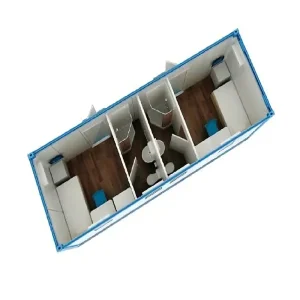
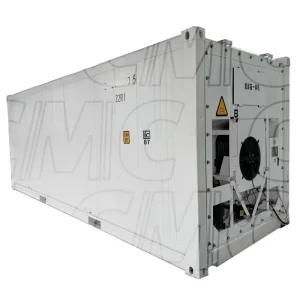
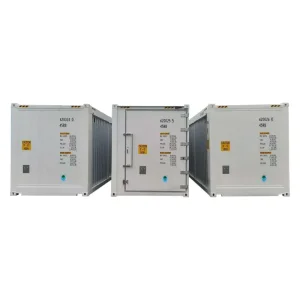
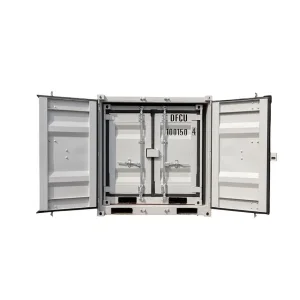
Explore our complete manufacturing scope—from specialized dry cargo containers and multi-temperature reefer pods to prefabricated modular infrastructure.
Whether procuring standard 20ft T11 tank containers or engineering multi-compartment cryogenic systems with custom ASME stamps, our direct factory technical team delivers precise quotations within 24 hours.
