
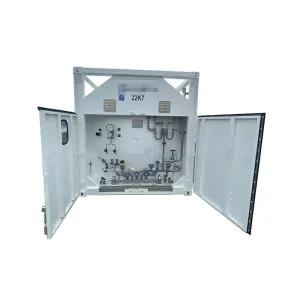
Direct from our high-throughput Northern China manufacturing hub to key trade routes worldwide. Browse 8 of our internationally certified specialty and standard intermodal units.
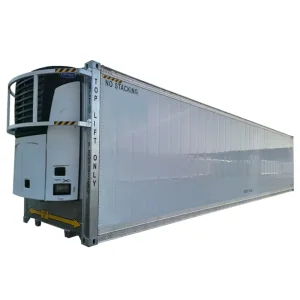
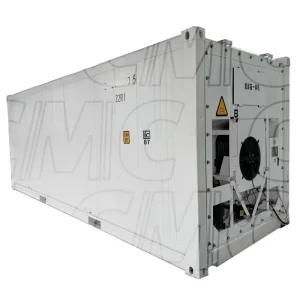
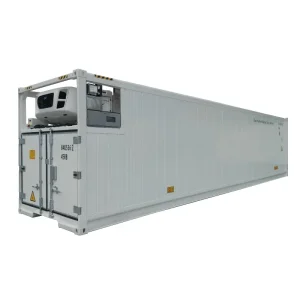
An authoritative analysis of intermodal container demand cycles, structural trade shifts, decarbonization mandates, and the evolutionary role of Original Design Manufacturing (ODM).
The contemporary shipping container landscape has undergone a tectonic shift. What was once treated as a commoditized structural steel box has transformed into a precision-engineered, multimodal logistics asset. Modern global supply chains—traversing high-latitude arctic rail corridors, equatorial deep-sea marine journeys, and off-grid remote project sites—demand stringent payload optimization, extended thermodynamic performance, and zero-failure structural integrity.
Global economic imperatives, accelerated by nearshoring and the diversification of industrial clusters across Southeast Asia, Europe, and the Americas, have driven demand for specialized container variants. Standard ISO 20ft and 40ft High Cube containers continue to shoulder the baseline of global breakbulk and dry transit; however, complex cold-chain products, cryogenic liquefied gases (such as LNG and liquid argon), lithium-battery energy storage systems (BESS), and specialized offshore drilling installations require rigorous adherence to non-standard structural standards. Original Design Manufacturing (ODM) has emerged as the definitive procurement methodology for multinational logistics integrators seeking custom mechanical envelopes without sacrificing ISO/CSC standard handling compatibility.
| Standard Category | Primary ISO/International Norm | Standard Dimensions (L×W×H) | Max Gross Mass (R) | Structural Materiality |
|---|---|---|---|---|
| 20ft General Purpose (GP) | ISO 668 / ISO 1496-1, CSC | 6,058 × 2,438 × 2,591 mm | 30,480 kg (67,200 lbs) | SPA-H / Q355 Corten Weathering Steel |
| 40ft High Cube Dry (HC) | ISO 668 / ISO 1496-1, CSC | 12,192 × 2,438 × 2,896 mm | 32,500 kg (71,650 lbs) | High-Yield Corten Steel, Heavy-Duty Corner Castings |
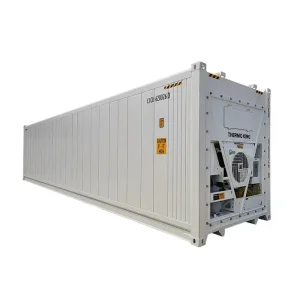
| 40ft High Cube Reefer | ISO 1496-2, ATP, TIR, BV | 12,192 × 2,438 × 2,896 mm | 34,000 kg (74,950 lbs) | SUS304/MG Food Grade S/S Inner, Cyclopentane Polyurethane Core |
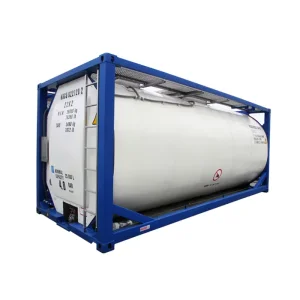
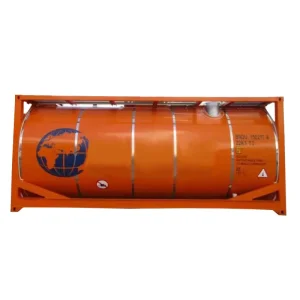
| 20ft T75 Cryogenic Tank | ASME Sec VIII, IMDG, ADR/RID | 6,058 × 2,438 × 2,591 mm | 36,000 kg (79,366 lbs) | Dual-Shell: Inner 06Cr19Ni10, Outer Q345R / Corten Vessel |
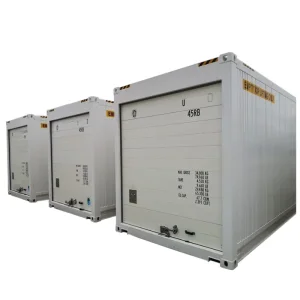
| Offshore Module | DNV GL ST-E271 (DNV 2.7-1), EN 12079 | Engineered per Project Specs | Project Tailored (Dynamic Lift) | Charpy V-Notch Impact Tested Structural Hollow Sections |
Engineered to perform reliably under severe thermo-mechanical stresses, offshore wave loading, and austere infrastructural constraints worldwide.
Standard containers endure 9-high fully loaded stacking at sea, dynamic roll and pitch forces up to 2.4g, and high salinity atmospheres. Our marine coatings feature three-coat polyurethane systems over zinc-rich primers, guaranteeing corrosion resistance surpassing 15 years in rigorous marine environments.
C5-M Marine Paint ISO 1496 Racking TestedNavigating the Belt & Road freight channels across Siberia and Central Asia imposes temperature extremes down to -50°C. Standard rubber seals stiffen and fail; our cold-climate units utilize specialty EPDM rubber formulations with silicone elasticity retention and impact-tested Q355D steel framing to avert brittle fractures.
Low-Temp Steel Q355D -50°C Seal ResilienceBuilt explicitly under DNV 2.7-1 / EN 12079 criteria, these offshore containers withstand boat-to-rig dynamic snag loads, open-ocean heavy lifting slings, and extreme mechanical shocks. Rigorous non-destructive testing (NDT), magnetic particle inspection (MPI), and full proof load pull tests govern every batch.
DNV 2.7-1 / ISO 10855 100% NDT WeldsContainerized energy storage units require integrated thermal containment, explosion relief venting (NFPA 68/69), automated aerosol fire suppression channels, and precise floor structural loading ratings exceeding 4,500 kg/m² to support heavy lithium iron phosphate (LFP) rack assemblies.
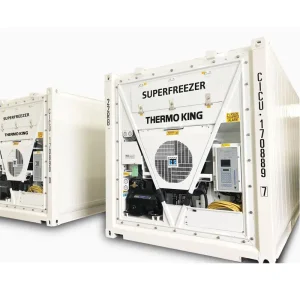
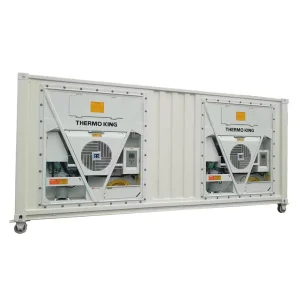
NFPA 855 Fire Ready High Load FlooringHigh-value pharmaceuticals, seasonal tropical berries, and prime beef demand micro-fluctuation cooling regimes (±0.25°C). Incorporating Carrier Transicold, Daikin, or Thermo King refrigeration machinery, our reefers boast low thermal leakage rates (U-value ≤ 0.36 W/m²·K) via cyclopentane foam injection.
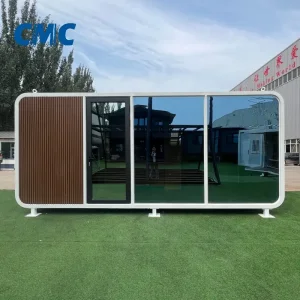
U ≤ 0.36 W/m²·K Ozone/CO2 TelemetryFrom flat-pack workforce encampments to architecturally finished "Apple Cabin" pods and mobile clinic units. Our structural baseframes feature standardized twist-lock stackability combined with thermal-break wall assemblies, prefabricated MEP ducting, and strict localized building code compliance.
ISO Corner Castings Plug-and-Play UtilitiesStrategic geographic positioning, comprehensive metallurgical integration, and high-precision automation deliver unmatched agility, lead time compression, and competitive total cost of ownership.
Our dual primary industrial facilities in Tianjin and Suzhou are located within ~100 km of deep-water port terminals (Tianjin Xingang and Shanghai/Taicang). This geographic optimization eliminates high domestic drayage costs, accelerates vessel slotting, enables rapid empty repositioning, and mitigates port-side customs bottlenecks. Our staging yards can hold over 3,000 TEU ready for direct wharf dispatch.
By securing direct volume procurement contracts with top Chinese metallurgical mills (HBIS Group, Baosteel, Ansteel), our plants guarantee certified SPA-H corten weathering coil supply with zero intermediate markups. This integration safeguards against sudden raw material price shocks and maintains dimensional gauge uniformity across bottom side rails, corner posts, and corrugation sheets.
Manual welding inconsistencies introduce micro-porosity and latent stress fatigue. Our modern production floor integrates CNC fiber laser cutting arrays and multi-axis Panasonic robotic MIG welding stations. Every corner casting-to-rail junction achieves penetration depth standards exceeding ISO 1496, verified by ultrasonic and non-destructive surface testing.
From initial uncoiling through shot-blasting (SA 2.5 cleanliness), robotic zinc primer application, panel assembly, foam injection, and hydrostatic/cryogenic pressure tests, our QC department executes an extensive 82-point checkpoint matrix. Third-party surveyors (Bureau Veritas, ABS, CCS, Lloyd's) execute continuous factory surveillance audits.
Anticipating the technological requirements of 2026–2035: Low-GWP refrigerants, integrated satellite telemetry, vacuum insulation panels (VIP), and high-strength eco-metallurgy.
Integration of low-power 5G/NB-IoT micro-transceivers paired with solar energy harvesting panels on container roofs. Continuous data transmission provides real-time door breach detection, internal cargo acceleration/shock readings, temperature gradients, humidity, and atmospheric oxygen/carbon dioxide levels directly to cloud ERPs.
In response to Kigali Amendment thresholds and EU F-gas phase-downs, our advanced reefer lines are engineered for next-generation refrigerants, including R-513A, R-1234yf, and natural CO2 (R-744) units. These systems achieve a Global Warming Potential (GWP) of ≤ 1, drastically reducing direct carbon emissions during fleet lifecycles.
Standard polyurethane foam cores face physical thermal conductivity limits. Our advanced thermal research focuses on hybrid core panels combining cyclopentane-blown PUR with microporous silica aerogel and vacuum insulation packets. This innovation trims wall thickness by 25% while boosting internal payload cube capacity by up to 4.2%.
By engineering ultra-high-strength microalloyed corten grades with yield strengths exceeding 550 MPa, our structural team is progressively stripping tare weight by 350–500 kg per 40ft High Cube container. This directly enables shippers to load heavier payload tiers without breaching gross highway axle weight restrictions.
Environmental responsibility is integrated across our manufacturing lifecycle. We utilize 100% water-borne low-VOC paint systems and sustainable flooring options, such as bamboo composite planks and recyclable steel honeycomb boards, eliminating tropical hardwood timber reliance in modern container floors.
Leveraging continuous operational stress and temperature history, our cloud telemetry systems build digital twin representations of active fleets. Fleet managers receive predictive alerts regarding floor delamination risks, corner casting micro-strain limits, and refrigeration compressor maintenance needs prior to physical breakdown.
Comprehensive regulatory engineering ensures seamless customs clearance, safety approval, and risk-free commercial operation across global ports and inland terminals.
Every dry cargo and reefer container manufactured leaves our line with a stamped stainless steel International Convention for Safe Containers (CSC) data plate. Certified for maximum gross weights, stacking capabilities (minimum 192,000 kg stacking load), and transverse racking strength parameters.
Our engineering design approvals and prototype testing protocols are witnessed and documented by internationally recognized classification societies, including Bureau Veritas (BV), Lloyd's Register (LR), Det Norske Veritas (DNV), and the American Bureau of Shipping (ABS).
Designed to comply with the Customs Convention on the International Transport of Goods Under Cover of TIR Carnets. Timber floor components undergo rigorous thermal or methyl bromide phytosanitary treatment, certified in full compliance with Australian Department of Agriculture (AQIS/DAFF) mandates.
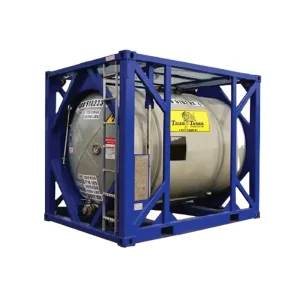
Our T75 cryogenic and liquid tank lines comply rigorously with ASME Boiler & Pressure Vessel Code Section VIII Div 1, carrying the official 'U' stamp stamp authorization. Units satisfy IMDG, US-DOT, RID/ADR, and portable tank regulatory frameworks for hazardous bulk chemicals.
Our technical team performs comprehensive finite element analysis (FEA) modeling on custom modifications (side-access doors, heavy-duty floor cutouts, generator mounts, and roof hatches). Structural prototypes undergo verified physical shear, drop, and floor deflection load testing prior to tooling release.
Every newly built standard dry container carries a comprehensive 5-year structural warranty and a 3-to-5-year anti-corrosion coating warranty. Machinery integrations (Carrier, Daikin, Thermo King) come backed by genuine global manufacturer warranties and local service network access across 120+ countries.
In-depth technical answers addressing metallurgy, structural modification parameters, customs documentation, and cold chain performance metrics.
SPA-H (Japanese JIS G3125 standard) is an atmospheric corrosion-resistant, copper-chromium-phosphorus alloy steel engineered specifically for marine containers. When exposed to alternating maritime atmospheric wetting and drying cycles, SPA-H develops an adherent, dense amorphous iron oxide patina layer (patina) that passivates the internal substrate against deep oxidation. Standard mild steels (such as Q235B) lack these stabilizing alloying elements, resulting in progressive flaking rust, structural thinning, and eventual wall perforation. SPA-H delivers an atmospheric corrosion resistance approximately 4 to 8 times higher than standard carbon structural steel, extending service lifespans beyond 15–20 years in transoceanic service.
Standard ISO dry shipping containers rely heavily on the continuous corrugated side-wall panels to provide shear web stiffness and resist longitudinal racking. Cutting extensive side apertures or inserting roller shutter assemblies breaks this structural load path. To maintain CSC approval for legitimate sea freight stacking, our ODM engineering team introduces reinforced tubular top and bottom longitudinal side lintels, oversized corner gusset brackets, and heavy-duty intermediate hollow-section door jambs. After structural modeling via Finite Element Analysis (FEA), prototype containers undergo witnessed transverse and longitudinal racking tests (transverse racking test to 150 kN) under classification society observation (e.g., Bureau Veritas) to validate full safety compliance before issuing the updated CSC safety plate.
Standard ISO containers are designed primarily for flat-deck container vessel stacking where lifting occurs strictly through vertical engagement of corner castings via automated spreader beams. Offshore containers are engineered for dynamic open-sea handling between supply vessels and oil platforms in adverse weather (wave heights exceeding 6 meters). Key distinctions include: (1) Primary structural framing built from Charpy V-notch impact-tested steels (e.g., Q355D or Q355E) verified to absorb dynamic fracture stresses down to -20°C or -40°C; (2) Permanent structural lifting pad-eyes welded directly to primary members designed for four-part wire rope chain sling assemblies angled between 45° and 60°; (3) Enhanced non-destructive testing (NDT) requiring 100% visual, 100% magnetic particle (MPI), and ultrasonic testing on critical structural welds; and (4) Strict avoidance of ISO corner twist-locks as the sole lifting methodology.
T75 portable tanks utilize a sophisticated double-containment vacuum insulation architecture. The inner pressure vessel is constructed from cryogenic-grade austenitic stainless steel (06Cr19Ni10 / SUS304 / 316L) to securely contain liquefied gases (LNG, Ethylene, LOX, LIN, LAr) at temperatures down to -196°C. The outer jacket is fabricated from carbon structural steel or corten steel. The annular space between the two vessels is packed with high-efficiency multi-layer vacuum insulation (MLI / superinsulation wrap) and evacuated to ultra-high vacuum levels (≤ 0.1 Pa) with active chemical getter materials to absorb residual hydrogen or moisture outgassing. This design guarantees holding times exceeding 30 to 45 days without venting, meeting IMDG and ADR regulatory shipping mandates.
Procuring Shipper Owned Containers (SOC) from our factory allows cargo owners, project forwarders, and logistics operators to eliminate shipping line container demurrage and detention (D&D) penalties at distant discharge terminals. The process is simple: (1) We manufacture and survey the containers to full CSC standards at our Tianjin or Suzhou yards; (2) We issue the official CSC safety certificate and valid survey inspection documentation; (3) The client books cargo slotting with ocean carriers under the SOC designation; (4) The client or forwarder loads cargo directly inside the factory yard or drayage depot; (5) The unit travels through deep-sea maritime channels as an active shipping unit; and (6) Upon arrival at the target terminal, the importer retains the container for permanent site storage, resale, or modular integration without any obligation to return empty equipment to carrier depots.
For standard ISO dry units and catalogue-spec tank/reefer containers, trial production orders start from as low as 1 to 2 units for stocked equipment, and 5 to 10 units for factory-scheduled builds. Highly specialized custom ODM fabrications (such as modular Apple Cabins, custom BESS battery enclosures, or specialized ore carrier open-tops) generally feature an MOQ of 2 to 5 units to justify custom jig setups, laser tooling programs, and classification society prototype witnessing fees. Average production lead times range from 15 to 25 business days for standard series runs, and 30 to 45 business days for bespoke engineered prototypes requiring custom structural stamping and third-party certifications.
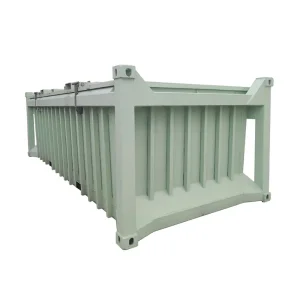
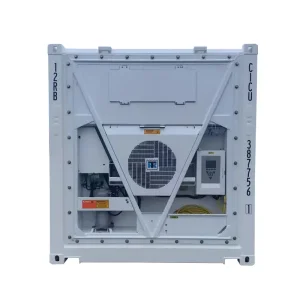
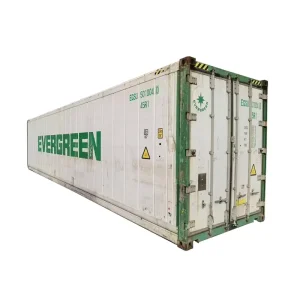
Explore our certified portfolio of heavy mineral haulage units, offshore certified platforms, rapid-deployment modular housings, and deep-freeze reefer boxes.

Whether planning a bulk replacement of aging ocean reefer lines, specifying high-pressure T75 cryogenic tanks, or detailing bespoke BESS housing modifications, our engineering and export desk provides direct factory consultations, detailed CAD/FEA drawings, and transparent export logistics support.