Direct factory inventory allocations compliant with ISO 1496/1, CSC, and BV structural integrity ratings. Review live baseline configurations and request project tier pricelists.
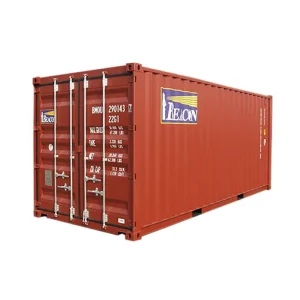

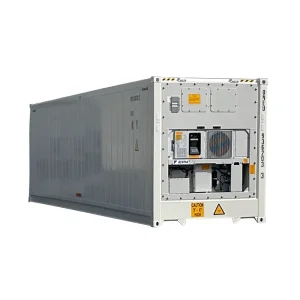
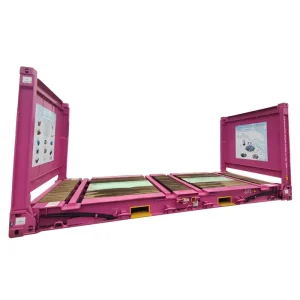
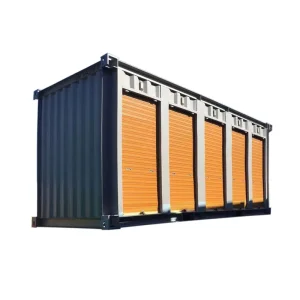
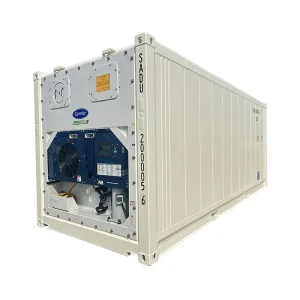
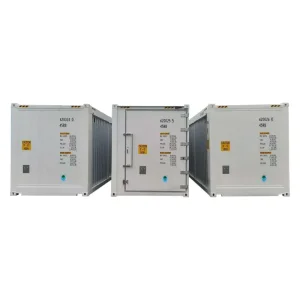
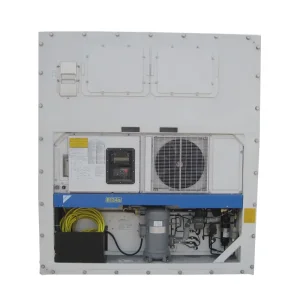
Why more than 90% of global intermodal equipment originates in Chinese manufacturing ecosystems: integrated metallurgical supply chains, automated submerged arc robotics, and automated C5M anti-corrosion pipelines.
The global container logistics ecosystem relies fundamentally on the high-yield manufacturing hubs situated along China's eastern seaboard, predominantly within the Tianjin maritime corridor and the Yangtze River Delta industrial belt in Suzhou. These industrial clusters possess an unassailable strategic synergy: direct proximity to specialized cold-rolled steel mills producing SPA-H atmospheric corrosion-resistant Corten steel, fully automated tandem robotic welding centers, and automated blast-cleaning pipelines delivering SA 2.5 surface cleanliness standard prior to multi-coat zinc-rich epoxy application.
By leveraging consolidated upstream raw material integration, Chinese container fabricators mitigate the volatility of international freight movements. Raw steel coils, cast ISO corner blocks, and EPDM marine door gaskets transition into high-precision structural shipping shells within hours of cutting. The resulting economies of scale yield unprecedented pricing efficiency without compromising strict adhesion to the International Convention for Safe Containers (CSC 1972) and the rigorous structural deflection parameters enforced by classification societies including Bureau Veritas (BV), Det Norske Veritas (DNV), and the American Bureau of Shipping (ABS).
Situated within 100 kilometers of the world's most active container berths at Tianjin Port and Shanghai/Ningbo channels, inland repositioning tariffs are virtually eliminated, optimizing the final Free on Board (FOB) price index.
Robotic airless electrostatic spraying lines deposit primer, intermediate epoxy, and polyurethane topcoats with precision micron control (minimum 120μm dry film thickness), resisting extreme ocean salinity and sulfurous marine degradation.
Advanced laser-guided press brakes and parametric CAD/CAM tooling permit rapid transitions from standard dry ISO boxes to heavy-duty mining half-height skips, offshore blast modules, or partitioned multi-temperature cold storage enclosures.
Analyzing macro trends transforming international container fleets between 2025 and 2030, from real-time IoT condition monitoring to regulatory-driven low-GWP hydrofluoroolefin refrigerants.
The container logistics sector is undergoing a structural paradigm shift driven by digital supply chain observability and international environmental regulations (IMO 2030/2050 targets). Today's commercial exporters and shipping conglomerates are moving beyond traditional structural boxes toward intelligent, hyper-connected intermodal nodes capable of autonomous telemetry reporting.
Factory-integrated low-draw satellite/cellular micro-transceivers report GPS coordinates, internal humidity, door breach status, and mechanical vibrations via encrypted industrial APIs.
Transition from legacy hydrofluorocarbons (R134a, R404A) toward eco-compliant refrigerants such as R513A and R452A, substantially reducing carbon equivalency while meeting stringent F-gas import quotas in Europe.
Integration of ultra-high-tensile Corten alloys diminishes the tare weight of 40-foot High-Cube structures by over 280 kilograms without compromising nine-high stacked corner-post compression capacities.
Structural engineering designed for dual lifecycle loops: maritime transport compliance for primary service followed by structural repurposing into expandable field camps, mobile data pods, or industrial battery energy storage systems (BESS).
Tailoring structural enclosures to the harshest environmental constraints on earth—from sub-zero North Sea installations to equatorial bulk chemical transit.
| Logistics Sector | Recommended Configuration | Structural Standards | Primary Stress Profile | Operational Value Delivered |
|---|---|---|---|---|
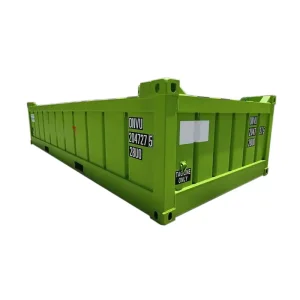
| Offshore Oil & Gas | DNV 2.7-1 Half-Height / Open Top | EN 12079 / DNVGL-ST-E271 | Dynamic wave impact, high sling shear loading | Safe crane transfer under Sea State 6 conditions; zero maritime downtime |
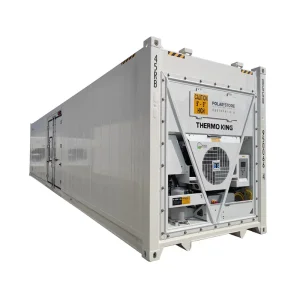
| Perishable Agriculture | 40ft HC Controlled Atmosphere Reefer | ISO 1496-2 / ATP Class FRC | Thermal delta fluctuation, oxygen decay | Sub-0.5°C precision band; extended produce transit shelf life by 21+ days |
| Hazardous Chemicals | ISO 20ft T11-T22 Liquid/Gas Tanks | ASME VIII / IMDG Code 4.2 / RID | Internal sloshing, vapor expansion pressures | Safe transport of volatile solvents, corrosives, and food-grade alcohols |
| Extractive Bulk Ore | 20ft Reinforced Heavy Ore Carriers | Heavy Duty CSC / UIC 592 | Point impact from rock loading, high density payload | High payload-to-tare ratio, quick rotary tippler offloading functionality |
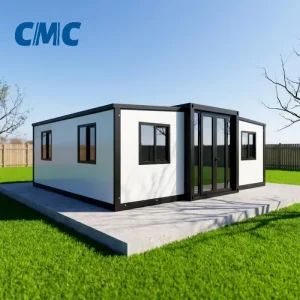
| Modular Field Camps | 20ft/40ft Insulated Expandable Pods | ISO Modular Frame / CE Fire Specs | Thermal bridging, moisture ingress | Rapid on-site deployment for disaster relief, defense, and remote work sites |
Understanding how raw steel pricing indices, batch volume break-points, and export documentation structures govern commercial container acquisitions.
Procuring intermodal equipment at enterprise scale demands a quantitative understanding of the structural pricing mechanism. Sourcing managers frequently encounter broad fluctuations in unit cost due to the high sensitivity of container manufacturing to raw steel commodity indices—principally hot-rolled coil (HRC) and Corten SPA-H price metrics—which represent between 55% and 65% of the total base manufacturing cost of a dry freight unit.
When assessing pricelists from Chinese export entities, procurement leaders must compute the Total Cost of Ownership (TCO) rather than focusing solely on the baseline ex-works (EXW) or free on board (FOB) price quote. A certified unit engineered with verified 28mm apitong hardwood flooring, zinc-phosphate pre-treatment, and internationally recognized thermal compressors (Carrier Transicold, Daikin, Thermo King) commands an initial capital expenditure premium that pays dividends via minimized maintenance cycles, absence of port detention rejections, and prolonged residual asset value in the secondary market.
Factory tier structures typically segment at 1-9 units (spot retail/prototype), 10-49 units (regional fleet replenishment), and 50+ TEU (full line allocation), where production efficiencies reduce unit costs by 12% to 18%.
Shipper Owned Container (SOC) strategies allow global importers to pack their purchased units with export cargo in China, generating revenue or nullifying ocean carriage costs on the maiden outbound voyage.
Every industrial export batch includes original Surveyor Release Certificates, valid CSC safety approval data plates, and verified classification documentation (BV, ABS, DNV) vital for frictionless customs clearance globally.
Direct answers to core mechanical, regulatory, and pricing inquiries presented by procurement executives, fleet asset managers, and global freight forwarders.
Engineered configurations: UN portable tanks, DNV certified offshore lifters, independent diesel gensets, and expandable modular housings for remote base installations.
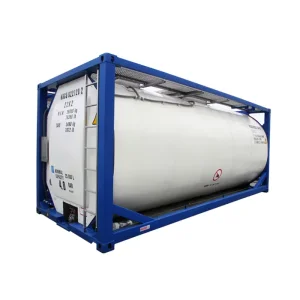
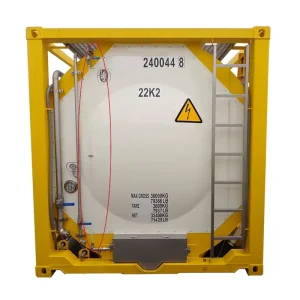
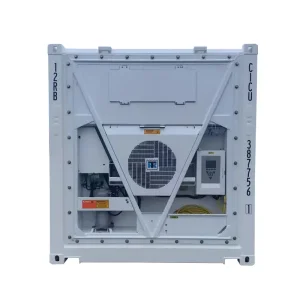
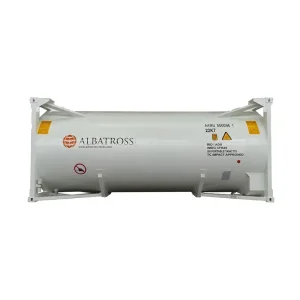
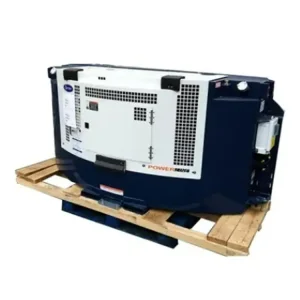
Every production lot manufactured within our Chinese fabrication clusters undergoes non-destructive testing (NDT), water deluge tightness evaluation, and structural load deflection audits.
Units are loaded to 1.5× to 2× design payload ratings to record transverse and longitudinal deflections, corner post eccentricity, and floor beam stresses under international surveyor supervision.
Continuous hydraulic deluge tests across door perimeter gaskets and panel joints deliver 200 kPa water jets to confirm zero ingress, accompanied by automated smoke and ultrasonic tests on reefer shells.
Pre-cleared customs manifests and direct inland transport to Tianjin, Qingdao, and Shanghai port yards ensure prompt loading onto primary deep-sea container vessels with minimal dwell times.
