Explore verified production units manufactured in compliance with ISO, BV, and DNV maritime certifications.
A comprehensive examination of metallurgical specifications, structural design tolerances, and baseline cost benchmarks for procurement authorities.
Every structural upright, corner casting, and corrugated wall panel is rolled from Corten-A atmospheric anti-corrosion structural steel. The copper-chromium-nickel alloy formulation produces a passivation layer that isolates the core substrate from marine salinity, damp cyclic exposure, and oxidation.
Each container is rated for nine-high stacking loads (192,000 kg gross vessel deck placement) in accordance with the International Convention for Safe Containers (CSC). Wall corrugation geometries, floor sill joists, and 28mm marine-grade treated hardwood plywood assemblies are load-stress tested.
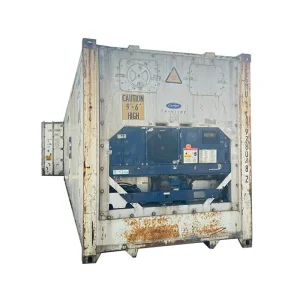
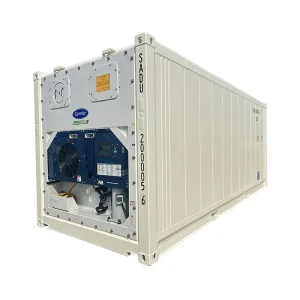
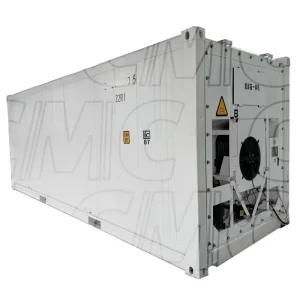
Reefer containers incorporate high-density non-CFC cyclopentane-blown polyurethane foam insulation injected under high pressure. Combined with Daikin, Carrier, or Thermo King refrigeration packages, units maintain thermal precision between -35°C to +30°C across varied transit environments.
| Container Classification | Core Dimensional Specs | Material Engineering | Reference OEM FOB Band | Standard Certifications |
|---|---|---|---|---|
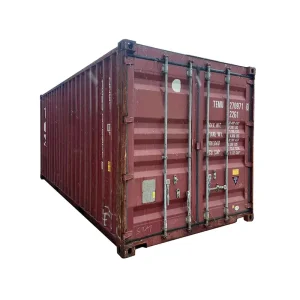
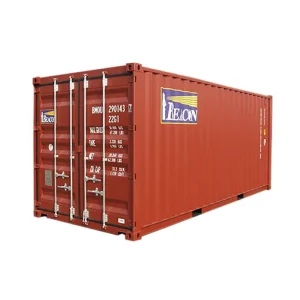
| 20ft Standard Dry Cargo (GP) | 20' x 8' x 8'6" | Tare: ~2,200 kg | Corten-A / 28mm Plywood / Zinc Primer | $1,650 – $2,300 | ISO 1496-1, BV, CSC |
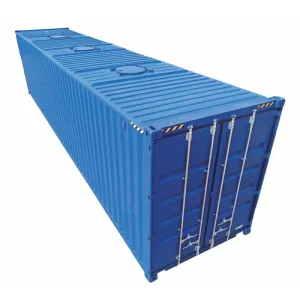
| 40ft High-Cube Dry (HC) | 40' x 8' x 9'6" | Tare: ~3,900 kg | High-Tensile SPA-H / Anti-Rack Locks | $2,750 – $3,600 | ISO, ABS, BV, CSC |
| 40ft High-Cube Reefer | 40' x 8' x 9'6" | SS 304 Interior | Polyurethane Core + Carrier / Daikin Unit | $12,500 – $18,200 | ISO, ATP, BV, CE |
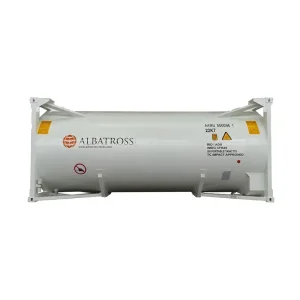
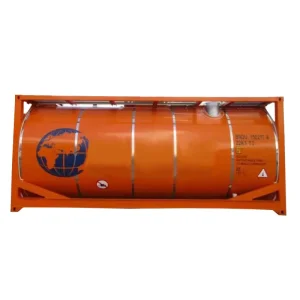
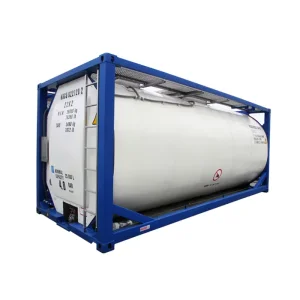
| 20ft ISO Chemical Tank (T11) | 20ft Frame / 25,000L Vessel | 316L Stainless Steel Shell / Steam Coils | $15,000 – $22,000 | ASME, IMDG, RID/ADR, BV |
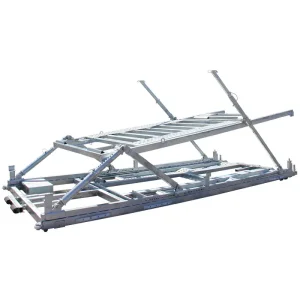
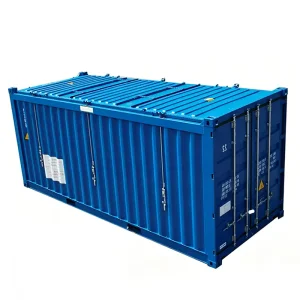
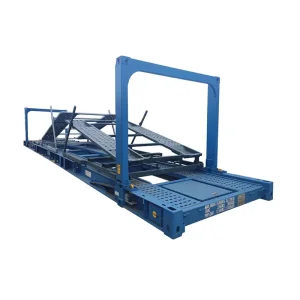
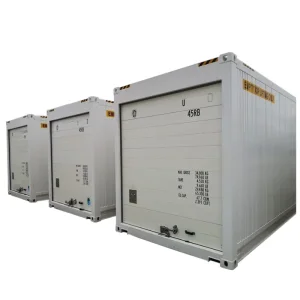
| DNV Offshore Cargo Carrier | Custom Half-Height / Open Top | Offshore Grade Carbon / Certified Pad-eyes | Custom Quoted (OEM) | DNV 2.7-1 / EN 12079 |
Deploying specialized modular and containerized configurations across global climatic zones, energy grids, and resource corridors.
Modified 20ft and 40ft high-cube shells transformed into localized Battery Energy Storage System (BESS) enclosures. Structural floor members are reinforced to support multi-ton lithium-iron-phosphate (LFP) racks, integrated with NFPA 69 explosion-relief roof hatches, clean-agent suppression pipes, and IP55 thermal seal gaskets.
Deploying modular insulated units for disaster recovery pods, containerized field clinics, mining base camps, and prefabricated hospitality capsules (Apple Capsule houses). Factory-pre-installed wiring harnesses, plumbing conduits, and fire-resistant rockwool core linings accelerate on-site setup times.
Solar-assisted hybrid reefers equipped with smart telematics monitor ambient variables for perishable agricultural produce, vaccines, and frozen fisheries. Variable-frequency DC inverters reduce genset fuel burn in sub-Saharan Africa, Latin America, and Southeast Asia off-grid distribution depots.
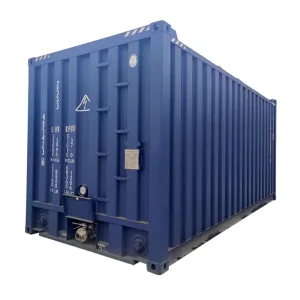
Heavy-duty half-height ore bins, side-opening bulk boxes, and certified DNV offshore modules built to withstand dynamic subsea operations and Arctic conditions. Structural welds undergo 100% ultrasonic and magnetic particle examination to eliminate structural failure under heavy impact.
Leveraging deep industrial clusters in Tianjin and Suzhou to secure lead-time reliability and competitive freight economics.
Close operational alliances with domestic blast furnaces secure dedicated allocations of metallurgical-certified SPA-H coil strip. This upstream integration mitigates price shocks and eliminates delays in heavy container rolling schedules during tight market conditions.
Situated within 100 kilometers of Tianjin Seaport, production lots roll off lines and onto specialized chassis, avoiding high internal drayage expenses. This immediate marine access facilitates single-voyage "one-way empty cabotage" container arrangements, reducing delivery overhead for global buyers.
Advanced assembly lines utilize dual-station robotic GMAW welding for uniform seam depth along structural corner pillars. Automated airless surface shot-blasting achieves an SA 2.5 profile, followed by water-borne, low-VOC zinc-rich epoxy paint stacks engineered for harsh marine salt-fog cycles.
Architecting smarter, sustainable, and higher-strength intermodal equipment for automated shipping corridors.
Standard integration of low-profile, solar-powered IoT satellite gateways fitted into the structural corrugation ribs. Direct sensor arrays monitor internal temperature curves, door seal status, shock-vibration vectors, and structural humidity in real time via low-earth orbit (LEO) data networks.
Migrating container frames toward electric-arc furnace (EAF) recycled green steel substrates, reducing embedded cradle-to-gate carbon emissions by 42%. End-of-life container designs prioritize component disassemblability to align with emerging European and North American carbon border adjustments (CBAM).
R&D efforts are validating thin-film aerogel barriers combined with vacuum insulation panels (VIP). This architecture expands reefer volumetric cubic capacities by 6.8% while maintaining heat ingress limits, lowering electrical refrigeration compressor runtimes on cross-border corridors.
Guaranteeing uncompromised port transit access and vessel eligibility through strict documentation processes.
Every dry, open-top, and specialized box is fitted with a stainless-steel CSC safety approval plate certified by Bureau Veritas (BV), ABS, or CCS. Validated test procedures verify transverse racking, end-wall loading, and roof strength parameters before units leave factory gates.
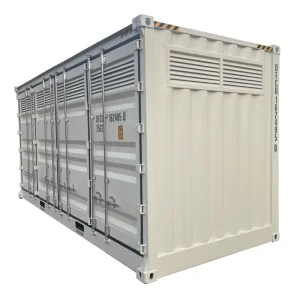
Custom-built hazard storage containers incorporate side-aperture high-flow natural draft ventilation louvers, explosion-proof light runs, and liquid-retaining bunded floor wells compliant with IMDG, RID, and ADR overland transport provisions.
Clients receive comprehensive digital validation packs for every order: raw material heat numbers, paint dry film thickness (DFT) gauge logs, weld non-destructive testing (NDT) sheets, and high-definition photo/video walk-through inspections taken prior to vessel loading.
Objective, engineer-formulated responses addressing shipping container specifications, factory custom runs, and delivery dynamics.
We supply standard ISO dimensions: 10ft, 20ft standard, 20ft high cube, 40ft standard, and 40ft high cube configurations. Specialized structural options include full-side access doors, double-ended doors, roll-up shutter reefers, hard open tops, half-height ore carriers, flat racks, and ISO intermodal liquid/gas tanks.
We install original refrigeration machines from global brands, including Carrier Transicold (ThinLINE, PrimeLINE), Daikin (Zestia), and Thermo King (Magnum Plus). Units can be specified for 380V/460V 3-phase ship/depot power or configured with integrated solar auxiliary systems and DC inverters for standalone operations.
Every international shipping container is issued with a valid CSC (Container Safety Convention) plate approved by Bureau Veritas (BV), ABS, or CCS. Offshore containers are engineered and third-party certified to DNV 2.7-1 / EN 12079 criteria, with pad-eye lift-test documentation furnished prior to vessel clearance.
An active reefer features an integrated electromechanical cooling plant requiring an external 3-phase electrical supply to maintain setpoint temperatures between -35°C and +30°C. An insulated container uses passive polyurethane or high-density foam walls to minimize internal thermal exchange, ideal for shorter routes, specialized dry chemicals, or temperature-buffered warehousing without external power.
Pre-owned fleet units stored across Chinese ports undergo structural audits. Inspectors check for water-tight integrity, door gasket sealing, floor delamination, corner casting wear, and baseline structural alignment. Detailed photographic packs and CSC re-certification certificates are provided prior to billing.
Standard inventory boxes, used reefers, and ISO tanks can be ordered in quantities starting from 1 unit. Custom OEM modifications (custom framing, non-standard louver apertures, specialized RAL exterior coatings) vary based on tooling and production line scheduling. Typical delivery cycles range from 15 to 30 days post-engineering CAD approval.
Heavy-duty transport racks, chemical tank units, and verified port equipment ready for global deployment.