Verified manufacturing lots manufactured in compliance with international CSC safety conventions, Bureau Veritas marine classifications, and stringent ISO tolerances.
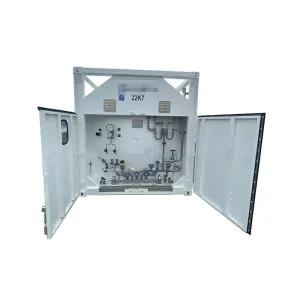
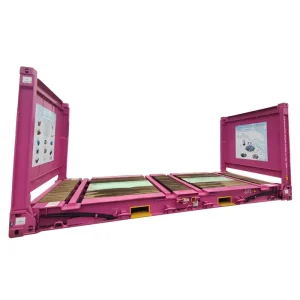
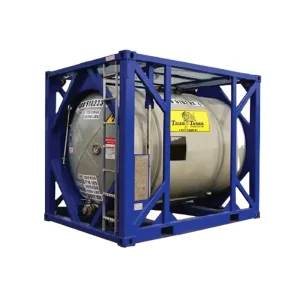
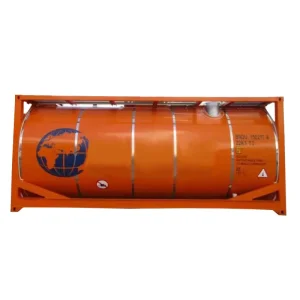
Founded in 1983, CIMIC Group (Tianjin Cimic Imp&Exp Co., Ltd.) operates dual production clusters in Tianjin and Suzhou, strategically placed ~100 km from major northern deepwater container terminals. This geographical synergy drastically minimizes inland drayage lead times, guarantees immediate container yard (CY) availability, and ensures rapid vessel booking turnaround.
Our Industry 4.0 manufacturing processes replace manual assembly lines with precision robotics, automated submerged-arc welding (SAW), and CNC automated laser blanking machines. Each unit is constructed using standardized SPA-H high-strength weathering Corten steel, treated with automated shot-blasting to Swedish Standard Sa 2.5, and primed with zinc-rich epoxy primers designed to survive 15+ years in harsh, chloride-saturated maritime environments.
Every container manufactured by CIMIC is backed by comprehensive third-party design type approvals, quality documentation, and traceability records covering every heat of structural steel used.
From intermodal rail transit to cryogenic deep-sea shipping, our ISO and specialized containers solve complex logistics bottlenecks across global industries.
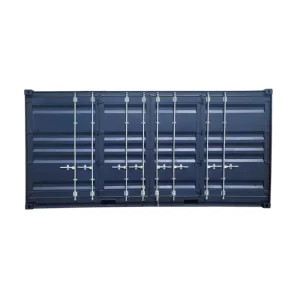
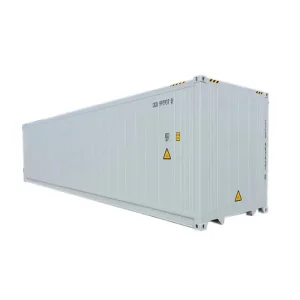
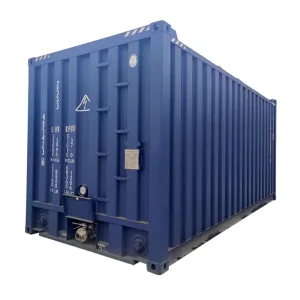
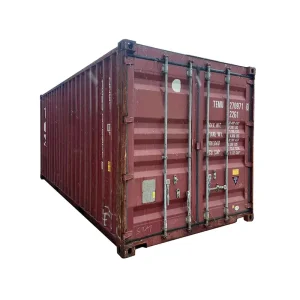
ISO standard dry cargo units (20ft, 40ft, 40ft HC) engineered with corrugated Corten steel panels, 28mm certified marine plywood floors, and high-tensile locking gear for international rail and ocean carrier interline movements.
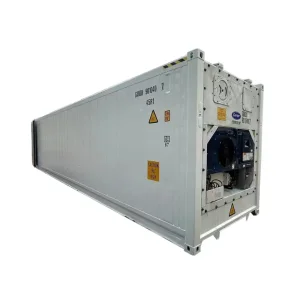
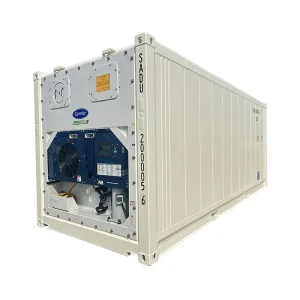
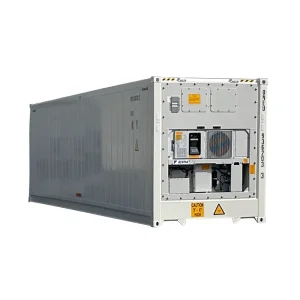
Active refrigerated containers engineered with world-leading Carrier Transicold, Thermo King, and Daikin condensing machinery, providing ultra-stable -30°C to +30°C climatic control with automated data-logging.
Certified DNV 2.7-1 / EN 12079 offshore cargo baskets, half-height ore containers, and specialized offshore fuel reefers built to withstand dynamic maritime lifting impacts and extreme North Sea gales.
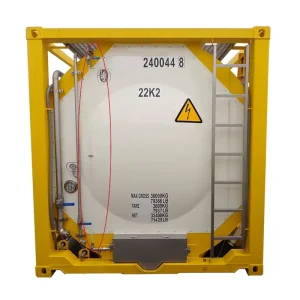
T75 vacuum-insulated cryogenic containers for liquid nitrogen (LIN), liquid argon (LAR), liquid oxygen (LOX), and LNG, alongside T11/T14 food-grade and chemical tank containers engineered with 316L stainless steel.
The global shipping equipment landscape is undergoing an unprecedented transition toward smart telemetry, cryogenic energy transport, and decarbonized lifecycle economics.
Integration of solar-powered IoT micro-transceivers communicating via dual satellite/cellular channels. Real-time logging of internal humidity, structural shock vectors (G-force), door status, and GPS coordinates directly accessible via RESTful cloud APIs.
Phasing in hydrofluoroolefin (HFO) blends and natural refrigerants like R-744 (CO₂) across Carrier and Daikin reefer units, achieving zero ozone depletion potential (ODP) and ultra-low global warming potential (GWP < 1) to meet 2030 EU F-Gas mandates.
Next-generation passive insulated and reefer containers integrating vacuum insulation panels (VIP) and silica aerogels, delivering 45% superior thermal insulation efficiency (K-value < 0.35 W/m²K) without compromising interior cubic payload capacity.
| Container Classification | Structural Metallurgy | Standard Payload (kg) | Thermal / Pressure Rating | Primary Regulatory Compliance |
|---|---|---|---|---|
| 20ft ISO Dry Cargo | SPA-H Corten Weathering Steel | 28,230 kg (Max Gross 30,480 kg) | Ambient (-40°C to +80°C) | ISO 1496-1, CSC, BV, TIR |
| 40ft High Cube Reefer | SUS304 Stainless Interior / MG Exterior | 29,580 kg (Max Gross 34,000 kg) | -30°C to +30°C Precise PID | ISO 1496-2, ATP Class FRC, CE |
| T75 20ft Cryogenic Tank | Inner: SA240 304; Outer: Carbon Steel Q345R | Up to 24,000 kg (LIN/LOX/LNG) | Vacuum Insulated Multilayer / -196°C | ASME VIII Div 1, IMDG T75, ADR/RID |
| 10ft DNV Offshore Cargo | Structural Steel Grade S355J2G3 | 10,000 kg Dynamic Rating | Charpy V-Notch -20°C Impact | DNV 2.7-1, EN 12079, IMO MSC 860 |
Procuring shipping containers at volume requires a rigorous structural audit framework to avoid hidden lifecycle operating expenses (OPEX). Enterprise buyers must evaluate weld penetration integrity, flooring pesticide safety approvals, and refrigeration unit power draws before issuing purchase orders.
CIMIC provides structured Factory Acceptance Testing (FAT) protocols. Importers can either conduct remote digital witness testing via high-definition video feeds or deploy independent inspection agencies (SGS, Bureau Veritas, Lloyd's Register) to our Tianjin or Suzhou manufacturing facilities before container dispatch.
Prior to release, every manufactured container undergoes a 7-point quality assurance sign-off:
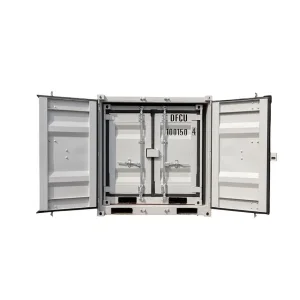
Explore our specialized range of modular containers, food-grade liquid storage tanks, Daikin/Carrier refrigeration assemblies, and mobile industrial cooling units.



Direct technical answers to the most critical operational, metallurgical, and certification queries asked by global logistics directors and supply chain managers.
Every newly constructed dry, refrigerated, or special container is delivered with an official CSC (International Convention for Safe Containers) safety approval plate. Offshore units are engineered and surveyed to DNV 2.7-1 (Standard for Certification No. 2.7-1 Offshore Containers) and BS EN 12079. Tank containers hold full ASME Section VIII Div 1 stamps, IMDG certification, and class documentation certified by Bureau Veritas (BV) or CCS.
SPA-H Corten weathering steel contains deliberate additions of copper, chromium, and nickel. Upon atmospheric exposure, it forms a dense, self-healing protective oxide patina that arrests continuous rusting. Standard mild carbon steel flakes away under marine saline mist, resulting in structural wall thinning. Corten-A extends asset working life in ocean environments beyond 15 to 20 years.
Yes. Our reefer units (Carrier Transicold ThinLINE/PrimeLINE, Thermo King Magnum Plus, Daikin LXE series) operate on dual 380V/460V 3-phase 50/60Hz supplies, with optional 200V/220V step-up transformers. For field operations devoid of electrical infrastructure, we integrate undermount or clip-on diesel generator sets (gensets) with Thermo King SLXi or Carrier power units capable of 120+ continuous run hours.
An active reefer utilizes an integrated electric compressor and cooling circuit to continuously drive down and regulate internal thermal setpoints (from -30°C to +30°C). An insulated container (passive) utilizes high-density thickened polyurethane foam cores encased in steel skins to slow thermal exchange without moving mechanical parts or power feeds, making it ideal for short cross-docking or non-freezer goods.
Standard catalog units (20ft/40ft dry containers and reefers) can be ordered in quantities as small as 1 to 5 units, with large port inventories immediately ready in Tianjin, Qingdao, and Shanghai. Highly custom OEM modifications (e.g., bespoke side doors, roll-up shutters, specialized interior mounting brackets, modular capsule units) typically require an initial engineering run of 5 to 10 TEU depending on tooling parameters.
Used shipping containers retired from tier-1 shipping lines undergo strict 32-point cargo-worthy (CWO) inspections. Technicians audit corner castings, verify that door locking bars engage smoothly, confirm rubber gaskets are pliable and airtight, patch pinholes with steel inserts, and pressure-wash floors. For used reefers, complete pre-trip inspections (PTI) are performed to verify cooling curve pull-down speed before bill of lading release.
Contact our senior logistics engineering division in Tianjin. Whether procuring standard ISO ocean fleets, cryogenic tank packages, or customized modular equipment, our engineers provide complete dimensional layouts, structural load calculations, and competitive FOB/CIF quotation schedules within 24 business hours.
