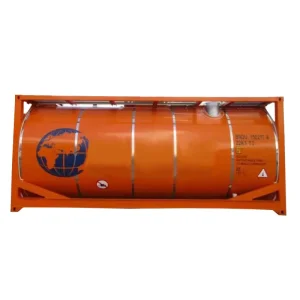
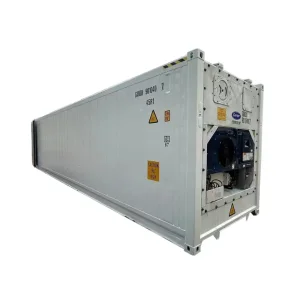
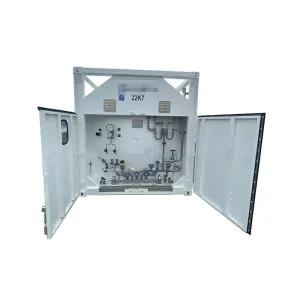
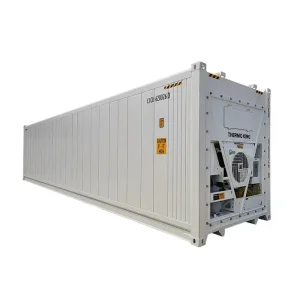
Explore heavy-duty liquid tanks, blast reefer units, solar DC inverters, and intermodal certified carriers built to stringent ISO and classification standards.
Analyzing structural shifts in multimodal logistics, decarbonization mandates, and the surging demand for mission-critical special container structures.
In modern industrial commerce, the traditional distinction between standardized dry van freight containers and static modular buildings has completely dissolved. Container Projects represent a sophisticated multi-billion-dollar global sector encompassing bespoke refrigerated systems, cryogenic ISO tank containers, high-cube offshore equipment baskets, and smart battery energy storage containers (BESS). Driven by post-pandemic supply chain restructuring, the rapid globalization of perishable agro-pharmaceutical value chains, and aggressive offshore wind/oil exploration, global buyers face unprecedented demands for structural customization, thermal boundary efficiency, and strict regulatory adherence.
Today, over 90% of global intermodal container assets are engineered and manufactured along China's coastal industrial corridors. China's manufacturing clusters in Tianjin, Jiangsu, and Guangdong have evolved from basic dry cargo box welding into advanced technology integrators capable of installing dual-inverter variable speed compressors, DNV 2.7-1 / EN 12079 dynamic drop-tested offshore lifting points, and ASME-certified T75 cryogenic pressure vessels capable of maintaining liquefied noble gases down to -196°C.
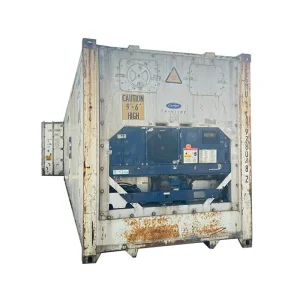
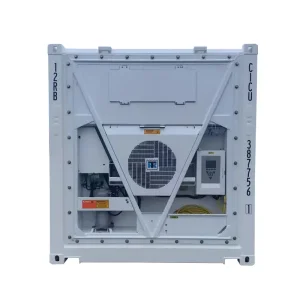
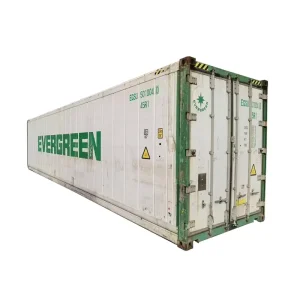
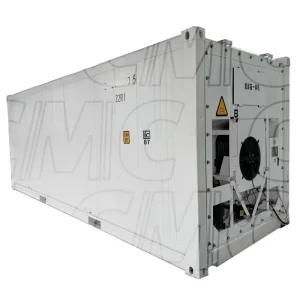
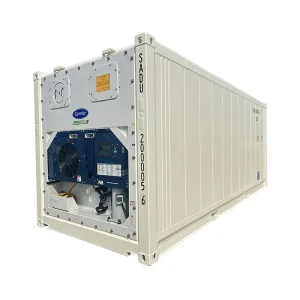
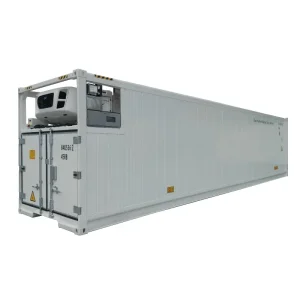
Strict FDA, GDP, and ATP standards necessitate deep-freeze blast reefers (-60°C) and micro-controlled atmosphere chambers (Controlled Atmosphere/CA) reducing ethylene production for perishable fruit hauls traversing 8,000+ nautical miles.
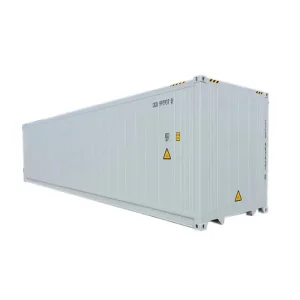
Utility-scale battery energy storage systems (BESS) rely on heavy modified 20ft and 40ft structural enclosures equipped with specialized aerosol fire suppression, HVAC liquid cooling circuits, and reinforced floor load thresholds exceeding 36,000 kg.
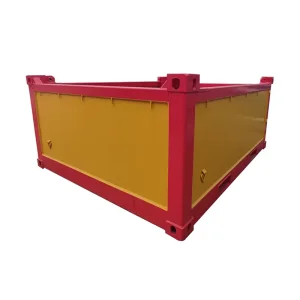
North Sea and Gulf of Guinea drilling platforms demand DNV 2.7-1 certified offshore cargo baskets and specialized subsea equipment modules rated for continuous exposure to extreme dynamic vertical accelerations and corrosive saline wash.
From transcontinental rail routes across Central Eurasia to off-grid solar cold chains in sub-Saharan Africa, our units solve localized environmental constraints.
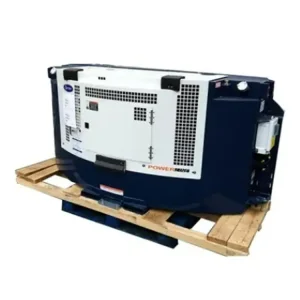
Traversing extreme Siberian permafrost (-45°C) and hot Caspian desert basins (+45°C) without external auxiliary grid access. Fitted with high-capacity 1,000-liter diesel gen-set tanks and satellite multi-sensor telematics monitoring temperature, GPS, and fuel metrics across trans-Eurasian freight paths.
Designed for agricultural farm-gate consolidation in Latin America, Southeast Asia, and Africa. Built with integrated solar photovoltaic roof brackets, hybrid 220V AC / 48V DC variable-speed inverters, and cyclically charged lithium iron phosphate (LiFePO4) storage banks ensuring uninterrupted food preservation.
Direct installation onto factory pelagic trawlers and remote landing piers. Engineered with 304/316 marine-grade stainless steel interior lining, high-efficiency twin-screw evaporator coils, and specialized airflow air-duct baffling to bring freshly harvested catch to -40°C in under 4 hours.
Built for industrial gas supply networks (LNG, LOX, LIN, LAr). Featuring multi-layer high-vacuum super insulation (MLI), carbon steel exterior shells, and stainless-steel pressure vessels conforming strictly with the IMDG Code, ADR/RID, and ASME Section VIII Div 1 protocols.
For mining sites in Western Australia and remote extraction concessions in Africa. High-Cube insulated shipping containers converted with pre-certified electrical systems, fire-rated insulation panels, acoustic isolation, and modular wastewater quick-couplings.
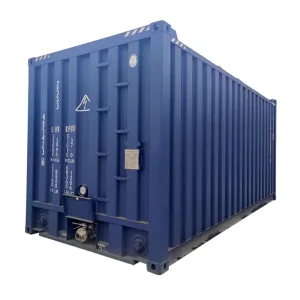
Accelerating urban pallet loading where terminal cranes are unavailable. Equipped with continuous bi-fold accordion side doors, hydraulic assist seals, and reinforced Corten understructures capable of handling concentrated 7,260 kg forklift front-axle loads.
Deep cluster integration between Tianjin Port logistics, automated robotic welding, and domestic metallurgical raw materials.
China's unmatched dominance in the intermodal manufacturing sector is founded upon vertical supply-chain consolidation. While foreign assemblers depend on fragmented import pipelines for SPA-H Corten steel, corner castings, EPDM gasket extrusion, and specialized fluorocarbon paint coatings, CIMIC’s production centers in Tianjin and Suzhou integrate these assets within a 100-kilometer operational radius.
This geographical concentration eliminates overseas freight volatility and ensures that bulk raw material inputs transition to fully finished, BV/ISO-certified structural boxes in reduced production turnaround times. Integrated deep-water berths at Tianjin Port allow direct vessel-side container drops, eradicating secondary inland transit handling costs and reducing total delivery lead times to the Americas, Europe, and Africa.
| Benchmark Metric | CIMIC China Manufacturing | Western / Regional Assemblers |
|---|---|---|
| Raw Steel Sourcing Lead Time | 24 - 48 Hours (Direct Mill Link) | 3 - 6 Weeks (Import Dependent) |
| Custom Tooling & Prototyping | 7 - 12 Days (In-house Die Shop) | 30 - 45 Days (Outsourced CNC) |
| Corner Post Load Rating | Exceeds 86,400 kg (9-High Stacking) | Standard 72,000 kg (Typical) |
| Factory-to-Vessel Berthing | Within 100 km (Tianjin FTA Port) | Varies (300+ km Inland Transit) |
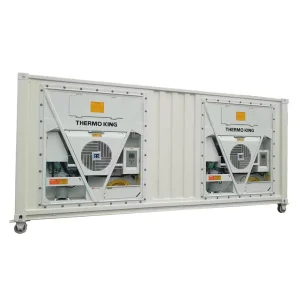
| Refrigeration OEM Integration | Carrier, Daikin, Thermo King OEM Direct | Third-party Distributor Markups |
Anticipating future regulatory thresholds with advanced thermal barriers, carbon-neutral refrigerant blends, and predictive maintenance sensors.
Phase-out compliance targeting F-Gas and Kigali Amendment regulations. Upgrading reefer units from R-134a and R-404A to natural CO2 (R-744) systems operating under trans-critical refrigeration cycles with Global Warming Potential (GWP) equal to 1.
Embedded 5G-NB-IoT sensor arrays logging interior air temperatures, ethylene saturation, cargo humidity, door-opening tamper events, and compressor vibration frequencies directly to cloud-based supply chain management systems in real time.
Next-generation passive thermal barriers combining zero-ODP rigid polyurethane foam with vacuum core layers. Achieving thermal conductivity (k-value) below 0.005 W/mK, delivering up to 35% higher energy retention for passive pharmaceutical transport.
Every industrial container leaving our facility is certified under rigorous structural, cryogenic, and maritime safety frameworks.
Compliant with the International Convention for Safe Containers (1972). Validates stackability tests (86,400 kg), transverse racking (150 kN), and longitudinal restraint without structural deformation.
Certified offshore design criteria including low-temperature Charpy V-notch impact toughness tests (-20°C / -40°C), multi-point sling lifting, and extreme 3D wave acceleration endurance.
Third-party audit oversight by Bureau Veritas confirming documented weld qualification (WPS/PQR), surface salt residue inspection (Bresle method), and VOC emission standards.
Strict European agreement compliance for the international carriage of perishable foodstuff. Verified overall heat transfer coefficients (U-Factor ≤ 0.40 W/m²K for heavily insulated units).
Essential answers regarding custom modifications, refrigeration brands, shipping terms, and classification certificates.
Complete your fleet with DNV-certified reefers, ISO water tank systems, cryogenic vessels, and refurbished commercial units.