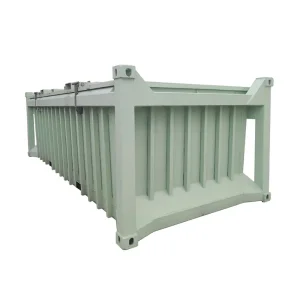
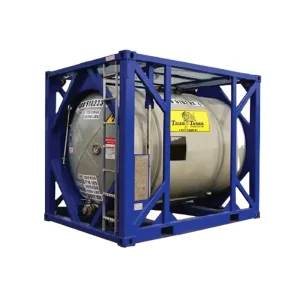
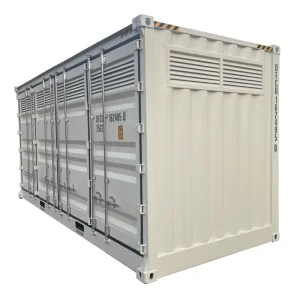
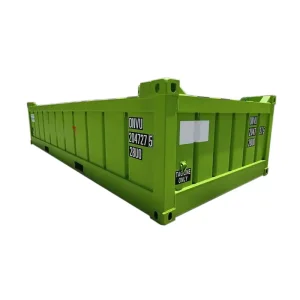
Engineered to rigorous ISO 1496/1 and DNV GL standards, our high-volume production units serve global shipping lines, intermodal rail networks, and heavy industrial offshore projects.

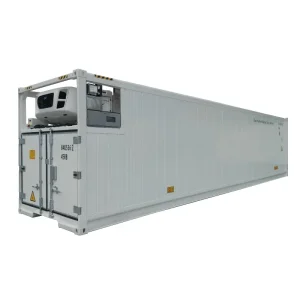
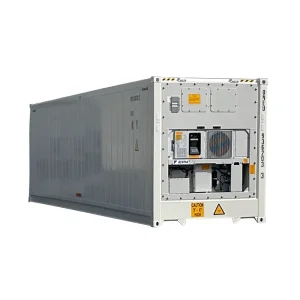

Understanding the precise mechanical metrics, volumetric efficiency, and structural center of gravity of High Cube (HC) shipping containers over standard general-purpose equipment.
| Container Model & Type | External Dimensions (L × W × H) | Internal Dimensions (L × W × H) | Door Opening (W × H) | Max Gross Mass / Tare | Usable Volume (CBM / CU.FT) |
|---|---|---|---|---|---|
| 20ft High Cube Dry (20HC) | 6,058 × 2,438 × 2,896 mm 20' 0" × 8' 0" × 9' 6" |
5,898 × 2,352 × 2,698 mm 19' 4" × 7' 8.6" × 8' 10.2" |
2,340 × 2,585 mm 7' 8.1" × 8' 5.7" |
30,480 kg (67,200 lbs) Tare: 2,340 kg |
37.4 m³ 1,320 cu.ft |
| 40ft High Cube Dry (40HC) | 12,192 × 2,438 × 2,896 mm 40' 0" × 8' 0" × 9' 6" |
12,032 × 2,352 × 2,698 mm 39' 5.7" × 7' 8.6" × 8' 10.2" |
2,340 × 2,585 mm 7' 8.1" × 8' 5.7" |
32,500 kg (71,650 lbs) Tare: 3,900 kg |
76.4 m³ 2,698 cu.ft |
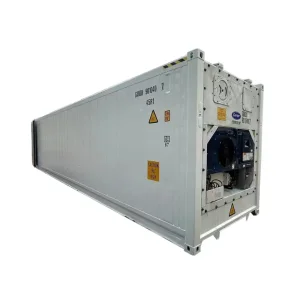
| 40ft High Cube Reefer (40HCR) | 12,192 × 2,438 × 2,896 mm 40' 0" × 8' 0" × 9' 6" |
11,583 × 2,294 × 2,560 mm 38' 0" × 7' 6.3" × 8' 4.8" |
2,290 × 2,535 mm 7' 6.1" × 8' 3.8" |
34,000 kg (74,950 lbs) Tare: 4,480 kg |
67.9 m³ 2,398 cu.ft |
| 45ft High Cube Pallet-Wide | 13,716 × 2,490 × 2,896 mm 45' 0" × 8' 2" × 9' 6" |
13,556 × 2,426 × 2,698 mm 44' 5.7" × 7' 11.5" × 8' 10.2" |
2,416 × 2,585 mm 7' 11.1" × 8' 5.7" |
34,000 kg (74,950 lbs) Tare: 4,820 kg |
89.2 m³ 3,150 cu.ft |
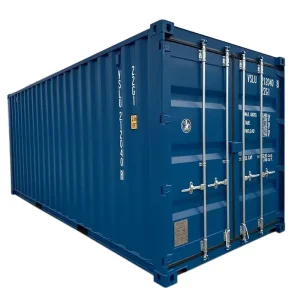
Standard ISO containers are bounded by an 8ft 6in (2,591mm) vertical profile. The High Cube variant stretches this envelope to 9ft 6in (2,896mm), unlocking approximately 10 extra cubic meters (305 cubic feet) of cargo payload without altering vessel bay rail pitch or port gantry spreader limits.
The internal 2,698mm clear roof height eliminates the "dead top air" issue inherent to standard dry boxes. Logistics planners can comfortably double-stack standard 1,200mm high unit loads or arrange triple-tier carton pallet configurations without exceeding internal ceiling friction barriers.
Manufactured using SPA-H atmospheric corrosion-resistant Corten steel (yield strength ≥ 345 MPa), High Cube structural corner posts and side corrugation panels feature reinforced horizontal bends that resist stacking forces up to 216,000 kg—sufficient for 9-high fully loaded cellular vessel tiers.
Transparency in manufacturing costs: evaluate baseline steel index fluctuations, factory welding labor, environmental coating compliance, and class certification surcharges.
Optimal for dense heavy freight, specialized machinery transport, and modular container conversions.
The ubiquitous backbone of ocean freight logistics, e-commerce transport, and overseas bulk warehousing.
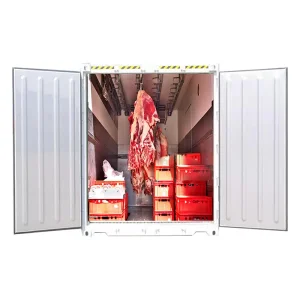
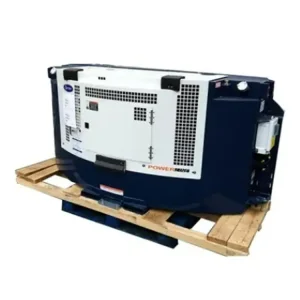
Integrated Carrier Transicold, Daikin, or Thermo King machinery for deep-freeze (-30°C) to chilled (+30°C).
Procurement directors sourcing High Cube containers from Chinese manufacturers encounter market price fluctuations tied to four primary structural drivers:
1. Hot-Rolled Corten Steel Coil Valuations: Steel represents between 55% and 62% of a dry freight container's manufacturing BOM (Bill of Materials). China's industrial clustering in Hebei and Shandong enables mills to supply raw SPA-H steel coils with zero long-distance transshipment surcharges.
2. VOC Compliance & Automated Waterborne Paint Lines: Chinese ecological statutes mandate low-VOC waterborne coatings. Modern production lines utilize fully robotic electrostatic spray cabins, reducing manual paint run inconsistencies and guaranteeing 5-year anti-delamination warranties against marine brine mist.
3. Ocean Freight Positioning Balances (Cabotage Sourcing): Exporting an empty container incurs a positioning cost. Chinese exporters offer "One-Trip Freight Credit" programs where containers carry export cargo on their maiden voyage to Rotterdam, Los Angeles, or Durban, subsidizing transit costs and delivering near-zero ocean positioning fees to the overseas buyer.
Explore why China’s specialized industrial ecosystem in Tianjin, Qingdao, and Shanghai guarantees unmatched production velocity, material consistency, and cost containment.
Our Tianjin & Suzhou manufacturing hubs sit within ~100 km of prime international maritime terminals. This enables immediate dock drayage, low inland drayage overheads, and continuous empty-box storage at direct berthside staging areas.
From primary smelting of weathering steel coils to robotic hydraulic presses, high-capacity welding gantries, corner casting foundries, and automated shot-blasting, Chinese container facilities execute all fabrication under one roof.
Every standard production run undergoes non-destructive ultrasonic weld verification, water tightness deluge tests (minimum 2 bar nozzle spray), dimension laser checking, and door gasket sealing checks supervised by third-party surveyors.
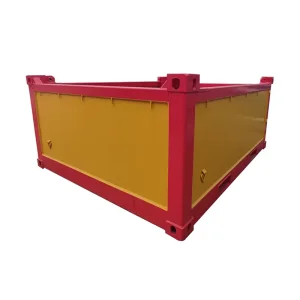
Beyond traditional standard dry freight units, Chinese factories lead the globe in engineering customized modifications: side-opening bifold doors, explosion-proof battery storage housing (BESS), and DNV 2.7-1 certified offshore baskets.
Navigating cross-border freight requires unquestioned adherence to maritime safety compacts. For international logistics providers, deploying containers without fully certified structural provenance risks port interdiction, impoundment, or insurance nullification.
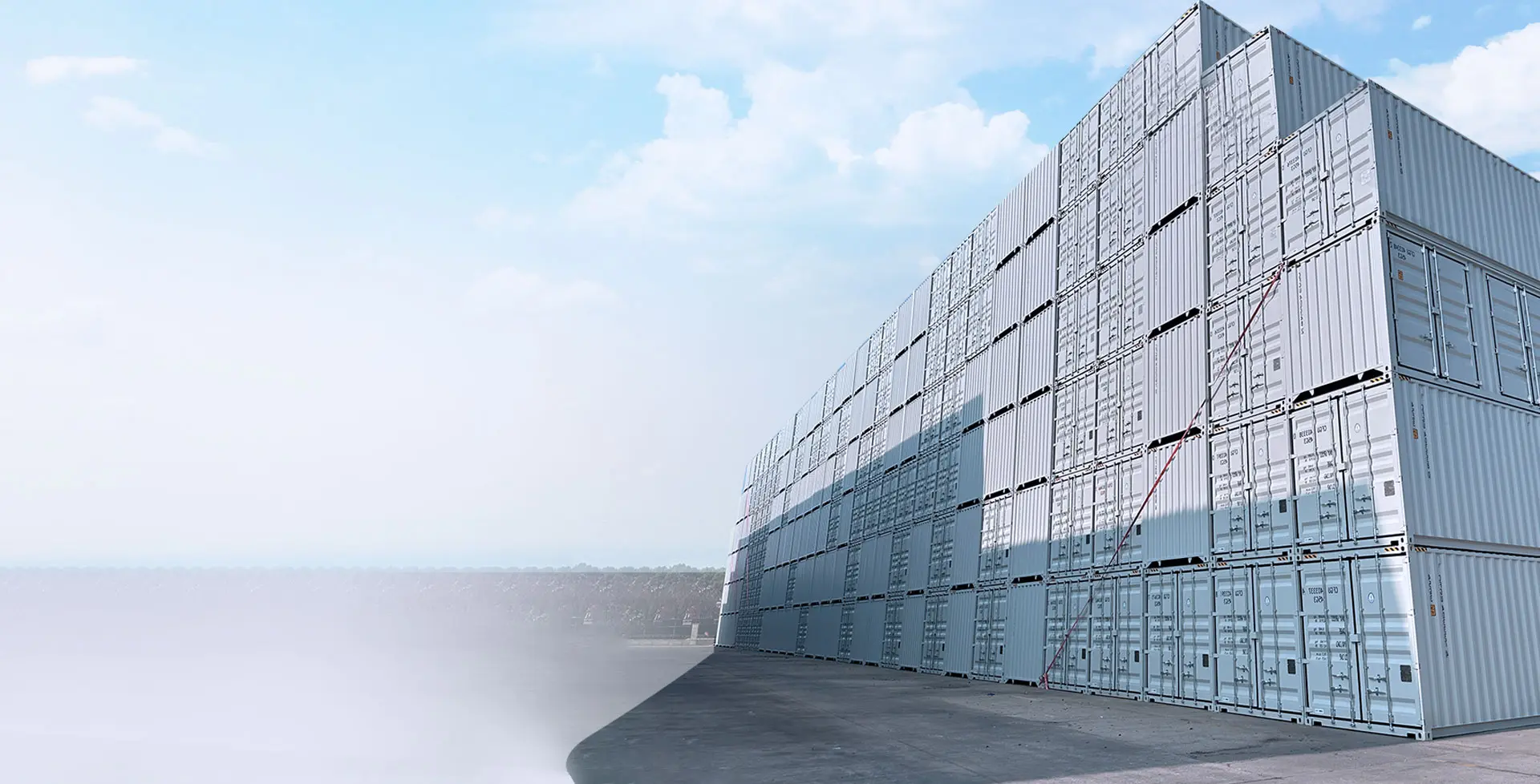
From multimodal trans-continental corridors to green energy architecture, High Cube shipping containers resolve specific structural engineering bottlenecks.
Cross-Eurasian express freight rail (China-Europe Railway Express) demands maximum volume per flatcar. 40ft and 45ft High Cube reefers maintain continuous cold chains across severe -40°C Siberian weather, transporting sensitive electronics, medical goods, and fruit.
Battery Energy Storage Systems (BESS) require overhead HVAC ducting, aerosol fire suppression manifolds, and high-voltage busbars. Standard containers fail to meet clearances, making 20ft and 40ft High Cube frames the universal standard for grid-scale battery enclosures.
Architects and mobile data center engineers depend on the 2,698mm internal headroom to fit raised access flooring, cable trays, and suspended acoustic ceilings while preserving standard 2.4m finished room clearances for modern living and equipment cooling.
The global shipping container sector is undergoing a profound technological transformation driven by carbon reduction directives and supply chain transparency requirements.
Clear, engineering-driven answers to frequent inquiries from international procurement directors and logistics managers.
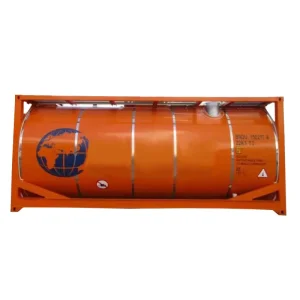
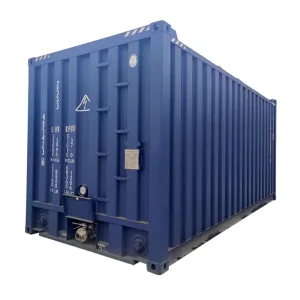
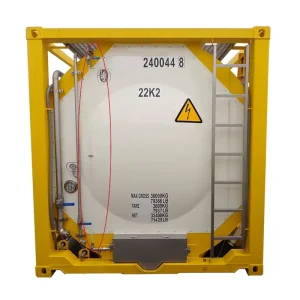
Explore heavy bulk carriers, dangerous goods units, offshore DNV equipment, and temperature-controlled intermodal models.