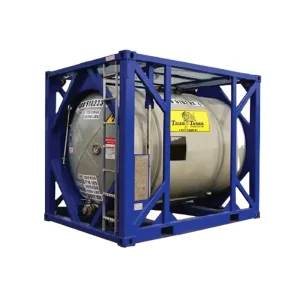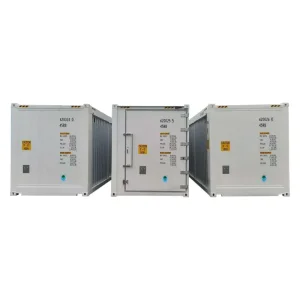
Engineered for intercontinental deep freeze, volatile bulk cargo, offshore drilling environments, and heavy-duty logistics operations across Europe, the Americas, and Africa.
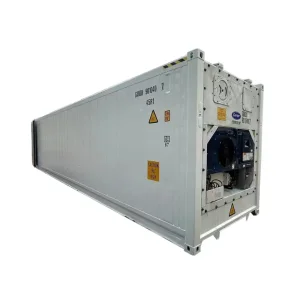
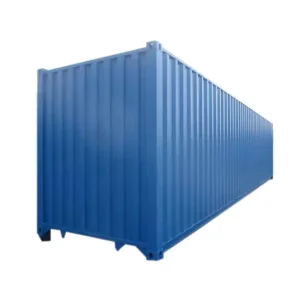

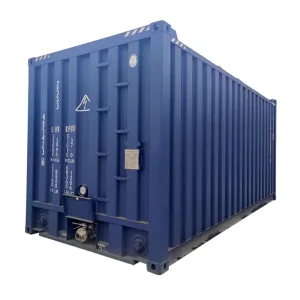
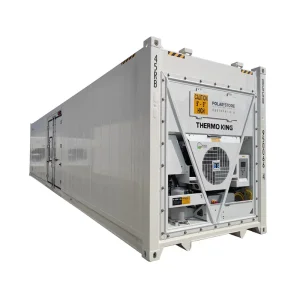
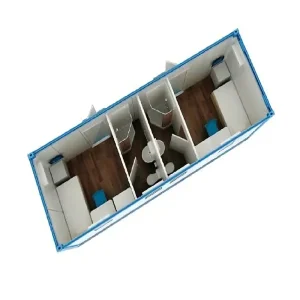
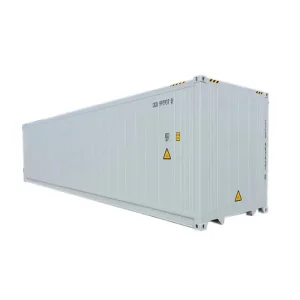
High-Cube (HC) configurations, offering an extra 305 mm (1 foot) vertical clearance (9'6" total external height), have transitioned from specialty transport carriers into the undisputed backbone of international containerized supply chains.
Cross-border e-commerce, consumer electronics, and lightweight high-volume consumer goods prioritize cube capacity over weight thresholds. Standard 40-foot High-Cube units provide approximately 76.4 cubic meters of usable volume compared to roughly 67.7 m³ in standard general purpose (GP) boxes, significantly lowering the landed logistics cost per metric tonne.
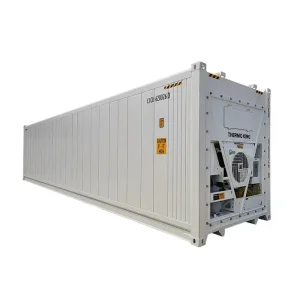
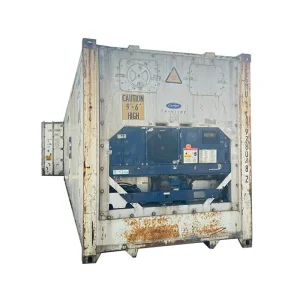
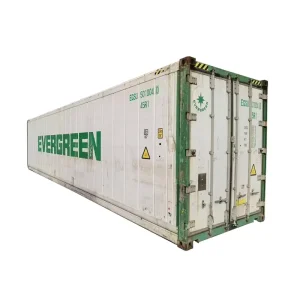
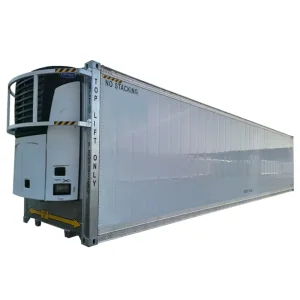
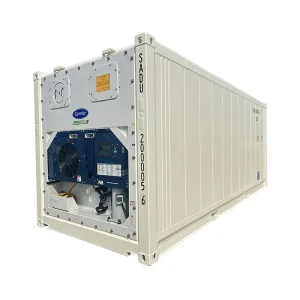
Agricultural exports, biopharmaceuticals, and perishable proteins demand high ventilation, specialized bottom-air distribution, and heavy-duty integrated refrigeration machinery. Modern 40ft HC reefers leverage optimized T-bar aluminum flooring and advanced airflow dynamics to ensure consistent cold containment even under extreme ambient heat fluctuations.
The structural durability of 9'6" containers has spurred a worldwide surge in conversion applications—spanning battery energy storage systems (BESS), offshore living modules, decentralized data centers, and heavy processing enclosures built to DNV and BV maritime structural criteria.
Operating from premier manufacturing clusters in Tianjin and Suzhou, Chinese container plants combine full metallurgical integration, automated production lines, and high port connectivity.
Direct access to primary mills producing high-tensile SPA-H atmospheric corrosion-resistant Corten steel. This guarantees optimal yield strength (≥345 MPa), extended service life, and high anti-corrosion resistance in saline ocean transit.
Fully equipped in-house testing rigs executing destructive and non-destructive racking, floor strength load, transverse bending, and structural airtightness tests verified directly by BV, ISO, and DNV surveyors.
Production facilities situated approximately 100 kilometers from Northern China's largest maritime gateways eliminate inland transshipment bottlenecks, providing guaranteed container dispatch and expedited export customs clearing.
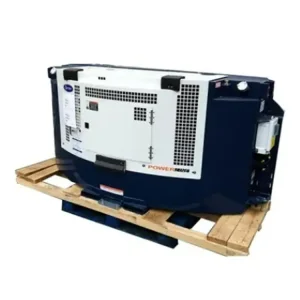
Engineers provide 1-on-1 technical drafting for bespoke modifications: heavy-duty roll-up doors, multi-temperature side partitions, internal stainless steel linings (SUS 304), and integrated diesel genset mounting configurations.
Modern High-Cube assets adapt to severe conditions, from open-sea drilling platforms to rapid-deployment cold chain terminals.
Multi-temperature reefers operate as modular walk-in cold rooms. Incorporating Carrier Transicold, Daikin, or Thermo King machinery, these units maintain set-points from -35°C to +30°C for seafood processing, meat packing facilities, and fruit handling distribution depots.
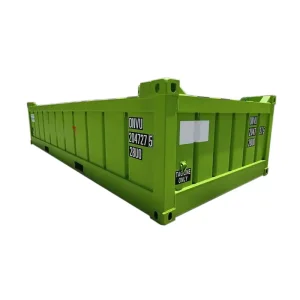
Engineered in compliance with DNV standards for offshore lifting, half-height ore containers and dry cargo units withstand heavy dynamic loads, harsh North Sea and Gulf of Mexico environments, and repetitive crane transfers between support vessels and rigs.
High cube architecture provides required headspace for HVAC ducting, power transformers, fire suppression systems, and lithium battery racks used in commercial grid-scale BESS and off-grid mining generator operations.
Understanding total lifecycle costs, smart tracking compliance, and regional supply chain adjustments is essential for fleet procurement managers and enterprise buyers.
Real-time asset visibility is standard. Factory-integrated satellite/cellular telematics log temperature curves, interior atmosphere (O2/CO2 levels), door access, and refrigeration power status directly to central logistics software systems.
While long-haul sea freight demands fresh CSC-certified new containers, buyers seeking static storage or secondary distribution often opt for 90% new or retired fleet stock in coastal depots, cutting capital costs by up to 40% with functional security intact.
Environmental regulations mandate high-efficiency polyurethane foam systems using low-GWP blowing agents. This improves thermal conductivity (K-value) by over 12%, reducing the load on reefer generators during overland transit across high-temperature zones.
Answers to critical questions regarding container specs, refrigeration equipment, structural certifications, and custom modifications.
Browse our certified modular solutions, DNV-rated offshore platforms, insulated transport units, and active freezer containers ready for sea or static placement.