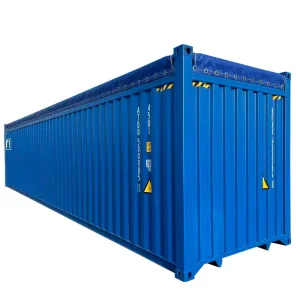
Engineered for high load-bearing endurance, certified CSC safety thresholds, and cross-border environmental integrity.
Containerization serves as the structural foundation of international trade, accounting for over 90% of global non-bulk cargo movement. The Chinese manufacturing ecosystem, anchored in key technological and coastal clusters like Tianjin and Jiangsu, represents over 85% of worldwide intermodal equipment production. Modern supply chains necessitate rigorous engineering, superior metallurgical durability, and smart lifecycle tracing to mitigate transit degradation.
Post-pandemic shipping volatility has transitioned the global focus toward high-specification cargo units. Fleets demand higher corrosion resistance, lightweight structures, and modular adaptation to endure prolonged dwell times and multi-modal transfers without structural fatigue.
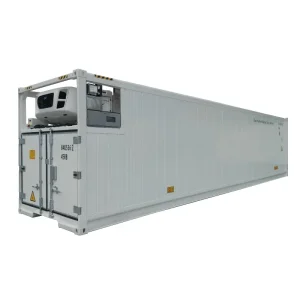
Cross-Eurasian rail transit links Chinese industrial hubs directly to European rail corridors. This shift demands dedicated 40ft High Cube and 45ft pallet-wide reefer containers capable of handling extreme continental temperature differentials ranging from -40°C in Central Asia to +45°C.
Global decarbonization initiatives mandate non-toxic, waterborne coating systems and low-GWP (Global Warming Potential) blowing agents in insulated panels, significantly decreasing VOC emissions during automated robotic assembly lines.
Container engineering has evolved beyond standard corrugated steel enclosures. Specialized metallurgy, thermodynamic isolation, and structural kinematics guarantee asset security across dynamic marine forces.
| Classification | Structural Steel Grade | Primary Thermal / Structural Specs | Key Operational Use Case |
|---|---|---|---|
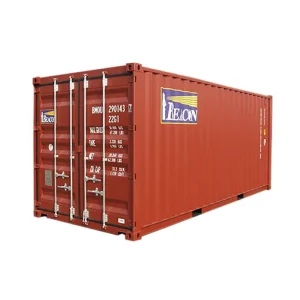
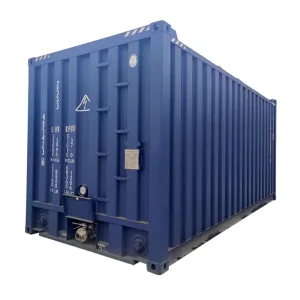
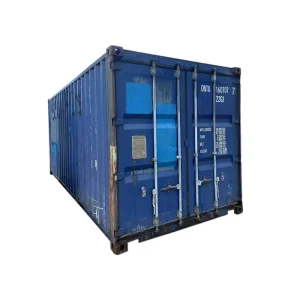
| ISO Dry Cargo (20ft / 40ft / HC) | Corten A / SPA-H Weathering Steel | Corrugated wall profile, 28mm marine-grade plywood or bamboo flooring | General containerized freight, industrial machinery, dry consumer bulk |
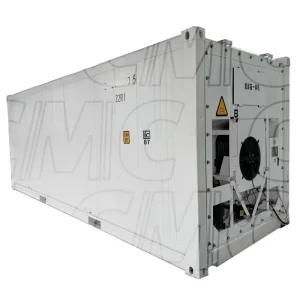
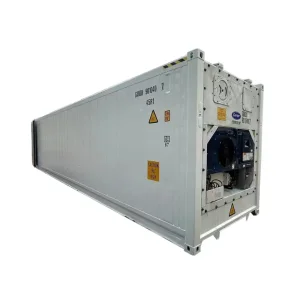
| Active Reefer Containers | SS304 / MGX Grade Stainless Cladding | Integrated Carrier/Daikin/Thermo King compressors; PU sandwich panel thermal core | Perishable agriculture, pharmaceuticals, seafood, cold chemical logistics |
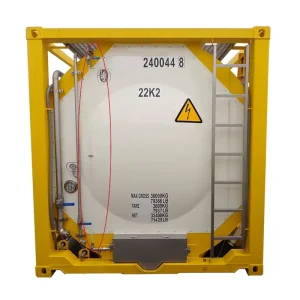
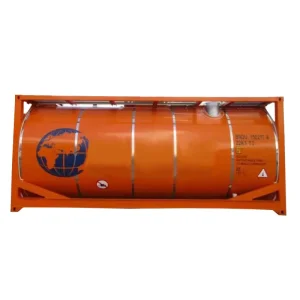
| ISO Tank (IMO / UN Portable) | 316L Stainless Steel / PTFE Linings | Working pressure up to 4 bar, thermal trace heating, steam insulation jackets | Hazardous chemicals, aviation fuels, food-grade spirits and oils |
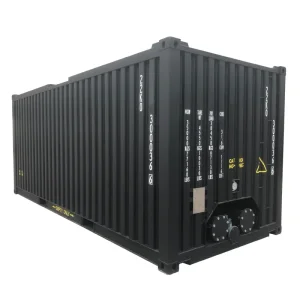
| DNV 2.7-1 / EN 12079 Offshore | High Yield Structural Steel (Q345D/E) | Multi-point dynamic pad-eyes, extreme impact resistance at -20°C ambient | Subsea exploration, offshore drilling rigs, mining extraction logistics |
| Insulated / Passive Thermal | Corten Frames + PU Foam Insulation | Closed-cell high-density polyurethan foam; no mechanical parasitic draw | Mid-distance dairy, wine, produce lacking dynamic power infrastructure |
Container operational efficacy is governed by the immediate terrestrial and environmental reality of the deployment site. CIMIC implements distinct regional customizations.
Naval and trans-oceanic freight conditions impose continuous salt-spray exposure, torsional hull torque, and 9-high container stack forces. Heavy-duty galvanization, electro-coated zinc primers, and high-tensile Corten locking mechanisms guarantee non-failure during intercontinental maritime movements.
Mining operations in Western Australia, Latin America, and Sub-Saharan Africa require high-density transport. Half-height open-top ore containers and heavy-duty tipping boxes allow direct mechanical loading of dense copper, lithium, and bauxite ores without risk of wall deflection.
In regions lacking decentralized refrigerated warehouse networks, modified solar-assisted 20ft and 40ft HC reefers serve as static cold stores. These units deliver stable low-temperature retention for vaccines, dairy, and meat in fluctuating off-grid environments.
Tianjin Cimic Imp&Exp Co., Ltd. builds in absolute compliance with international maritime treaties, national standards, and classification society certifications.
Every newly manufactured ISO container receives an integrated CSC (International Convention for Safe Containers) safety approval plate. This confirms certified compliance with rigorous stacking (up to 216,000 kg), racking, and end-wall strength standards.
For demanding offshore operations, units are built to DNV 2.7-1 and EN 12079 criteria, undergoing ultrasonic weld inspections, dynamic drop-testing, and Charpy V-notch toughness analysis to verify structural integrity under shock loads.
Strategically situated within ~100 km of major North China shipping hubs (Tianjin Xingang), CIMIC offers rapid terminal staging, minimized drayage costs, real-time yard inventory audits, and prompt custom clearances for high-volume export orders.
The intermodal hardware sector is shifting toward embedded telemetry, composite metallurgy, and automated life-cycle tracking. CIMIC is driving these developments forward.
Autonomous GPS, interior humidity/temperature telemetry, and shock sensing transmit asset integrity updates live via satellite uplinks directly to fleet managers.
Adoption of specialized micro-alloyed and composite paneling reduces tare weight by 14%, increasing payload capacities while maintaining 9-high fully loaded stack capability.
Predictive respiration management for fresh produce using dynamic gas adjustment (O2/CO2 scrubbing), doubling shelf life for sensitive fruit transit.
Digital container passports trace recycled steel content, low-impact coatings, and cumulative carbon footprint throughout the complete 25-year structural service life.
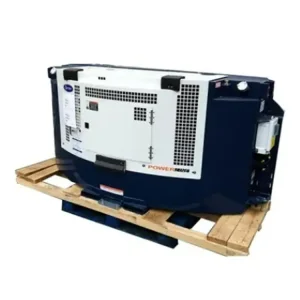
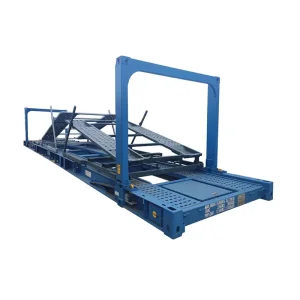
Precision engineering for volatile liquids, heavy asphalt, industrial generators, and multi-vehicle haulage.
Addressing primary technical, procurement, and regulatory inquiries from fleet operators, project engineers, and international freight managers.
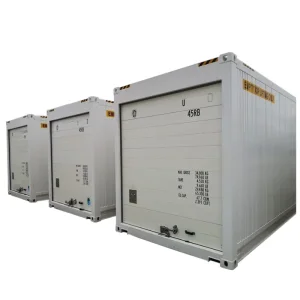
Our standard reefer, dry, and insulated container lines are manufactured in 10ft, 20ft, 20ft High Cube, 40ft, and 40ft High Cube formats. Furthermore, specialized units including half-height ore boxes, side-opening containers, roll-up utility doors, open tops, DNV offshore modules, and combined modular living/equipment units are built directly to exact engineering drawings and project requirements.
We supply factory-integrated reefer machinery from global Tier-1 providers: Thermo King, Daikin, and Carrier. Selection is matched to target commodity profiles: ultra-low temperature requirements (-60°C for deep-frozen seafood), static cold room holding (-25°C), or controlled atmosphere fresh produce transit (+2°C to +10°C). We verify regional power supplies (e.g., 380V/440V 3-phase, 50/60Hz, or dual-voltage 220V inverter options) prior to assembly.
CIMIC holds comprehensive ISO 9001 quality management and Bureau Veritas (BV) classification society manufacturing certificates. Our offshore containers are certified under DNV 2.7-1 / EN 12079. All ISO intermodal freight units carry verified CSC safety approval documentation, valid UIC registration, TIR approval for customs clearance, and TCT treatment certification for interior timber flooring.
An active reefer utilizes powered mechanical compressors, air circulation evaporators, and integrated thermostatic control systems to adjust and maintain interior temperatures from -30°C to +30°C. In contrast, an insulated (passive thermal) container utilizes high-density vacuum/polyurethane foam panels without mechanical cooling to prevent thermal bridging, suitable for short inland routes or cargo requiring temperature stabilization without active refrigeration.
All second-hand containers decommissioned from international shipping lines undergo thorough point-by-point structural audits across major Chinese hub ports. We assess corner castings, longitudinal bottom side rails, transverse crossmembers, door gasket hermetic seals, and T-bar reefer floor integrity. Pre-trip inspection (PTI) reports are executed on reefer cooling units to verify operational efficiency prior to issuance of sales release orders.
Standard ISO dry and inventory-stock reefer containers can be acquired with an MOQ of 1 unit. Custom OEM/ODM structural fabrications (such as custom access hatches, customized heavy machinery skids, acoustic generator housings, or tailored side-curtain mechanisms) feature scalable MOQs dependent on steel tooling complexity. Lead times typically range from 15 to 30 operational days from finalized CAD engineering drawing approval.