Explore heavy-duty intermodal and specialized container engineering systems deployed across offshore platforms, cold-chain transport networks, and multimodal terminals.
Analyzing structural engineering innovations, decarbonization regulations, and automated telemetry shaping intermodal transportation networks.
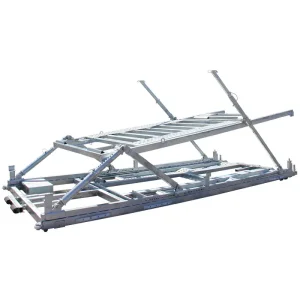
Next-generation cargo container chassis and trailer skeletal frames prioritize Q345B, Q460, and high-strength HG785D alloys. By replacing conventional heavy channel steel with optimized I-beam longitudinal girders fabricated via submerged arc welding, modern manufacturing lines slash unladen deadweight by up to 18% without compromising deflection resistance or fatigue longevity under maximum payload envelopes.
Driven by cold-chain integrity standards in perishables and pharmaceutical logistics, container chassis and trailer cooling platforms now integrate IoT transceivers. These transmit real-time telematics directly to enterprise TMS architectures, cross-monitoring mechanical vibrations, tire pressure equalization, diesel genset consumption, and precision temperature metrics across multi-modal rail-road transitions.
International maritime and road corridors enforce rigorous safety compliance. From ISO 1496/CSC (Convention for Safe Containers) certifications to stringent DNV 2.7-1 / EN 12079 offshore standards, container trailer factory clusters must meet dual certification requirements, assuring seamless interchangeability across road goosenecks, rail spine cars, and container ship cellular guides.
How concentrated northern and coastal industrial clusters deliver uncompromised precision, high throughput, and cost stability to global procurement partners.
Operating inside automated fabrication plants in Tianjin and Suzhou, robotic multi-axis welding gantry systems assemble primary chassis rails and crossmembers. Fully digitized thermal profiling eliminates human inconsistency, minimizing residual internal stress, optimizing penetration uniformity, and preventing metallurgical warping in high-load structural joints.
To resist hyper-saline ocean mist and extreme climate exposure, structural steel components undergo automatic multi-nozzle shot blasting to achieve Sa 2.5 cleanliness. Assemblies enter cathodic electrodeposition (KTL) priming baths followed by automated electrostatic polyurethane powder coatings, ensuring over 1,500 hours of certified salt spray resistance.
Situated within 100 km of North China’s premier maritime hubs like Tianjin Port, our factories cut inland drayage bottlenecks and freight costs. Streamlined customs processing, integrated port-marshaling facilities, and unified ocean documentation safeguard lead times for container vessels and breakbulk ro-ro transports bound for international destinations.
Engineered chassis platforms and multi-modal container configurations calibrated for demanding field scenarios across five continents.
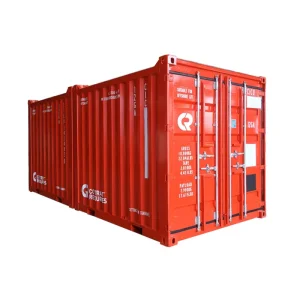
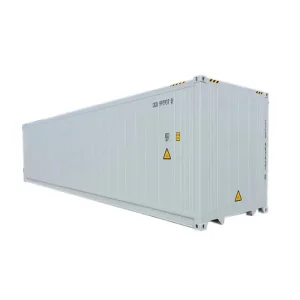
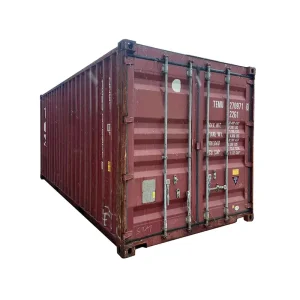
Engineered for relentless terminal cycling. Features high-tensile goosenecks, ultra-durable sliding tandem assemblies, and heavy-duty twist locks configured to cycle standard 20ft, 40ft, and 45ft high-cube ISO containers across short-haul wharf facilities.
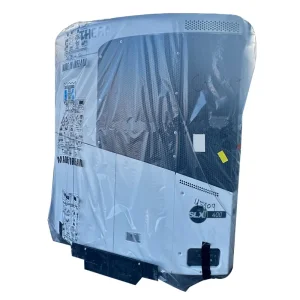
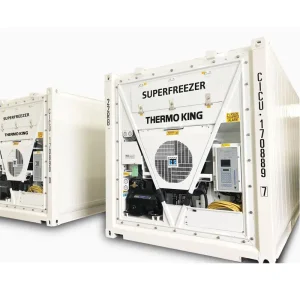
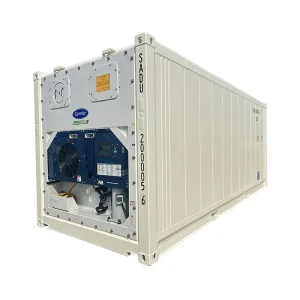
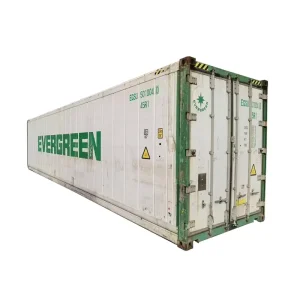
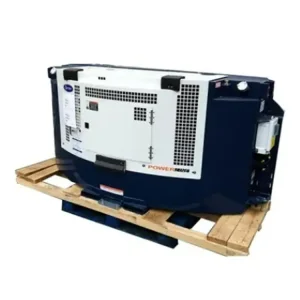
Tailored skeletal chassis engineered with integrated under-slung or front-mounted auxiliary diesel generator sets (e.g., Thermo King SLXI units). Guarantees steady, uninterruptible 460V 3-phase electric power for delicate chilled seafood, beef, and pharmaceuticals.
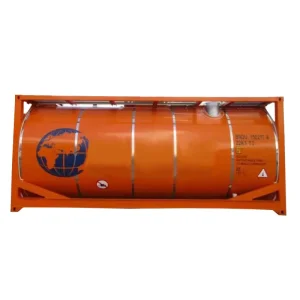
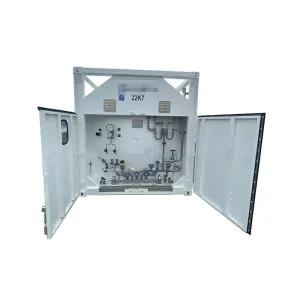
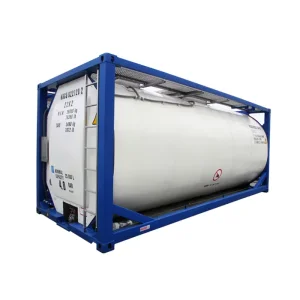
Reinforced drop-frame drop-chassis tailored specifically for T75 cryogenic tanks and ISO liquid containers. Boasts low center-of-gravity engineering, anti-surge structural baffling alignment, and certified DNV/ADR compliant mechanical safety profiles.
Heavy-duty, reinforced dual- and tri-axle chassis built to withstand harsh mining routes and unpaved desert and tropical tracks across Africa, Australia, and South America. Equipped with heavy mechanical walking-beam or air suspensions for high survivability.
Engineered for high payload stability, extreme temperature control, and multi-tier logistics handling across rugged commercial corridors.
In-depth responses covering axle configurations, structural grades, CSC testing, and international export procedures.