Direct factory production lines for dry transit, heated liquids, insulated cargo, and Belt & Road transcontinental railway logistics.
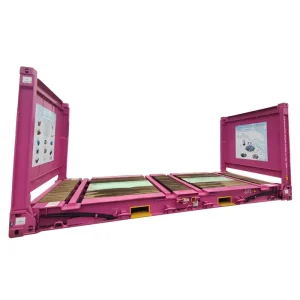
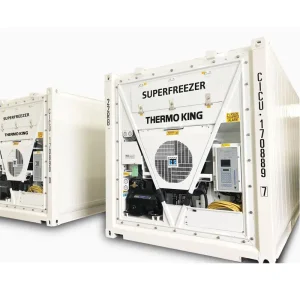
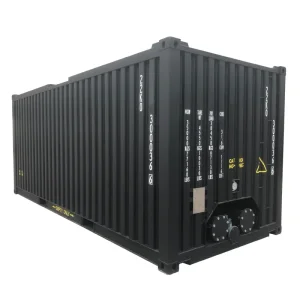
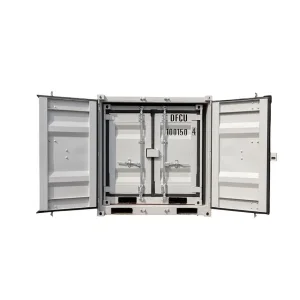
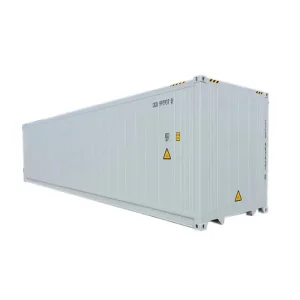
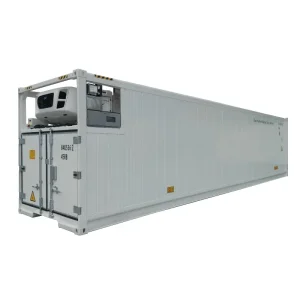
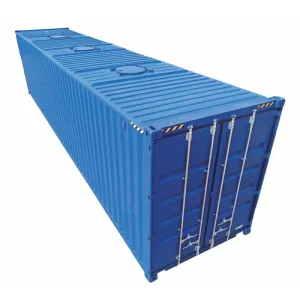
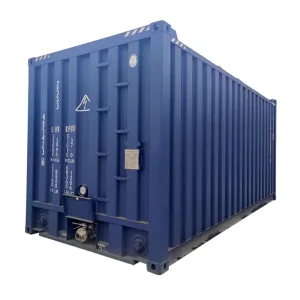
In an era characterized by turbulent maritime trade routes, stringent carbon mandates, and demanding intermodal transfers, standardized cargo units must exceed baseline ISO thresholds. Modern transit containers serve not merely as steel enclosures, but as advanced logistical payloads engineered for dynamic physical stresses. At our specialized manufacturing bases in Tianjin and Suzhou, established since 1983, transit container engineering has evolved from utilitarian steel assembly into precise metallurgical, aerodynamic, and thermodynamic design.
Intermodal transit requires structural resilience across maritime deep-sea routes, double-stack railway railheads, and brutal highway corridors. A standard dry cargo transit container must withstand severe racking forces (up to 150 kN transverse racking test according to ISO 1496-1), vertical compressive stacking pressures of over 192,000 kg (allowing 9-high container vessel stowage), and intense longitudinal impact accelerations of up to 2G during railway shunting. Our factory protocols incorporate finite-element stress analysis (FEA) at the blueprint stage, selecting cold-rolled atmospheric corrosion-resistant Corten steel (SPA-H) to eliminate micro-fracturing along bottom side rails, corner posts, and twistlock casting interfaces.
Specialized 40ft HC and 45ft high-volume units built for Eurasian Belt & Road corridors, resisting extreme ambient temperature fluctuations ranging from -45°C in Siberia to +50°C in Central Asia without structural deformation or seal degradation.
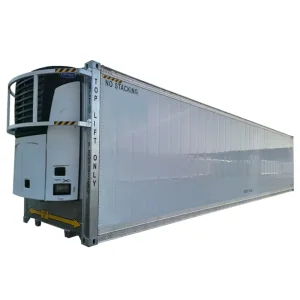
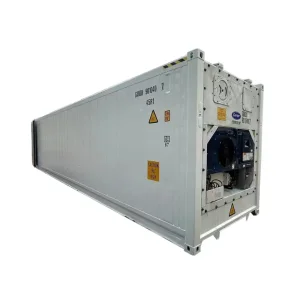
Integration of Carrier X4, Daikin, and Thermo King chillers alongside vacuum-injected high-density polyurethane (PU) foam walls, offering overall heat transfer coefficients (U-factors) below 0.38 W/(m²·K) for pharmaceutical and fresh produce cargo.
DNV 2.7-1 and EN 12079 certified dry goods and tank units for harsh offshore oil platforms and chemical transit, fitted with 4-point certified lifting slings, specialized padeyes, and multi-layer anti-corrosive marine coatings.
The worldwide shipping and transit container industry has transitioned through significant supply-demand rebalancings. Over 90% of global ISO transit containers originate along China's coastal industrial rim. As an enterprise with four decades of manufacturing heritage, CIMIC Group capitalizes on the integrated heavy-industry cluster surrounding the Bohai Rim and Yangtze River Delta. Our manufacturing hub, located approximately 100 kilometers from the Tianjin port complex, establishes uninterrupted logistical throughput from heavy raw steel coil delivery to maritime vessel stowing.
Procurement managers navigating international container factory quotes must account for three core macroeconomic parameters: Corten steel commodity pricing fluctuations, eco-friendly waterborne paint mandates, and specialized component integration (such as dual-voltage reefer compressors and explosion-proof electrical assemblies). By centralizing automated robotic plasma welding, continuous automated shot-blasting, and automated multi-layer paint lines, our factories reduce structural tare weight by up to 4.2% while enhancing volumetric capacity and impact resistance.
| Transit Container Classification | Structural Metallurgy / Floor Grade | Certified Payload / Gross Capacity | Thermal / Environmental Rating | Primary Regulatory Standard |
|---|---|---|---|---|
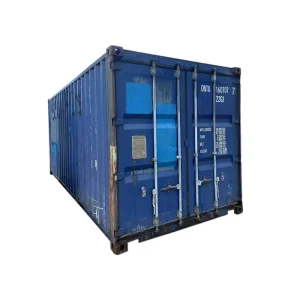
| Standard Dry Cargo (20ft / 40ft HC) | SPA-H Corten Steel / 28mm Apitong Marine Plywood | Max Gross: 30,480 kg - 32,500 kg | Operating Temp: -40°C to +80°C | ISO 1496-1, CSC, BV, ABS |
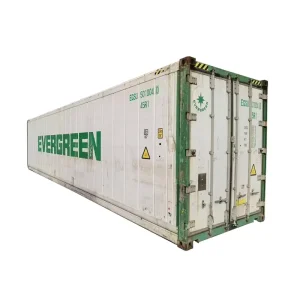
| Integrated Reefer & Freezer Units | SUS304 Stainless Interior / MGSS Outer Panels | Max Gross: 34,000 kg (Vol: 67.5 m³) | Set Range: -35°C to +30°C (Active Chill) | ISO 1496-2, ATP Class FRC, BV |
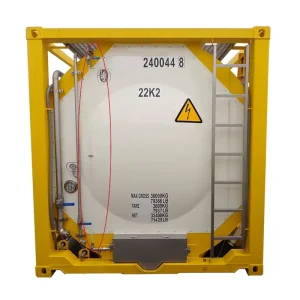
| DNV Offshore Transit Container | Fine Grain Structural Steel (Sub-zero Charpy V-notch) | Certified SWL up to 15,000 kg | Tested at -20°C or -40°C Dynamic Impact | DNV 2.7-1, EN 12079, IMO MSC/Circ.860 |
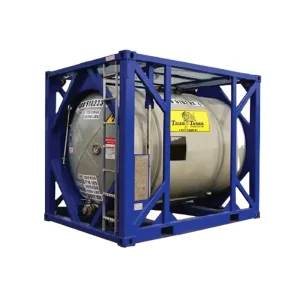
| Heated Bitumen & Asphalt Tank | Q345R Carbon Steel or 316L SS with Heating Ducts | Max Gross: 36,000 kg (Vol: 21,000 - 27,000 L) | Thermal Retention up to +220°C (Direct Flame/Steam) | ASME VIII, IMDG T3/T11, RID/ADR |
Operating transit containers internationally without regulatory friction mandates exact documentation. A container delivered without legitimate classification Society stamps or missing active CSC safety approval plates is vulnerable to port arrest, carrier rejection, and commercial quarantine. At CIMIC Group, our engineering and export departments ensure that every unit dispatched from our factories carries unassailable third-party verification.
We maintain collaborative testing programs with leading global classification bodies, including Bureau Veritas (BV), Det Norske Veritas (DNV), China Classification Society (CCS), and the American Bureau of Shipping (ABS). For buyers deploying reefer transit equipment into European perishable transport, our units comply with the Agreement on the International Carriage of Perishable Foodstuffs (ATP), providing official FRC certificates that validate insulated container thermal coefficient integrity over extended transit durations.
Every unit features a stamped stainless steel CSC approval plate confirming tare weight, payload capacity, stacking test load (192,000 kg), and transverse racking strength according to the 1972 International Convention for Safe Containers.
Rigorous physical batch evaluations: floor strength load test using 7,260 kg front axle weight, weather-tightness water hose testing at 100 kPa pressure, wall deflection profiling, and roof live load resistance (300 kg distributed).
Approved customs sealing configurations: internal hinges, custom-welded door handle retainers, and tamper-evident fastener guards enabling direct border crossing clearance under international TIR carnet customs treaties.
Three-coat marine protective paint system: zinc-rich epoxy primer (30μm), epoxy intermediate tie-coat (40μm), and weatherable polyurethane topcoat (40μm), achieving 1,500+ hours in ASTM B117 salt spray environmental chambers.
High-performance transit containers operate in environments that rapidly dismantle standard consumer storage boxes. From the sub-zero iron ore mining fields of Western Australia and high-altitude mining in the Chilean Andes to North Sea oil platforms and equatorial agricultural corridors in West Africa, CIMIC transit units are engineered with site-specific attributes.
For remote construction and heavy industrial extraction projects, our side-open and roll-up door containers allow direct flatbed forklift pallet access, eliminating dangerous internal yard shunting. In the chemical and hazardous liquid segment, our square frame liquid and asphalt heated containers incorporate thermal insulation jackets, emergency relief valves, and low-center-of-gravity baffles that mitigate liquid sloshing during sudden rail or road deceleration.
The future of commercial transit containers centers upon digital instrumentation and decarbonization. Conventional "blind" transit containers are increasingly replaced by autonomous, telematics-enabled assets. Our engineering development vector integrates low-power IoT transceivers directly into the container corrugation recesses, shielded from external impact yet retaining multi-network satellite and 5G cellular communication capabilities.
Procurement teams ordering modern refrigerated fleets now routinely mandate real-time condition monitoring. Our smart reefer platforms stream live internal temperature, relative humidity, oxygen/carbon dioxide levels (for Controlled Atmosphere agricultural shipping), compressor power draws, and shock/vibration G-forces directly to cloud-based logistics dashboards. When anomalies occur along transcontinental rail routes, automated alert triggers enable immediate corrective intervention before cargo spoilage can transpire.
Ultra-thin, flush-mounted roof solar arrays charging internal LiFePO4 battery modules, powering autonomous GPS tracking, door-open intrusion optical sensors, and reefer diagnostic telemetry across 90-day voyages without external power.
Hybrid passive cooling walls utilizing bio-based latent heat storage fluids alongside vacuum insulation panels (VIP), cutting mechanical reefer compressor run times by up to 32% and safeguarding temperature during power-drop rail transfers.
Zero-landfill structural architecture engineered for 25-year operational longevity, utilizing fully recyclable SPA-H corten steels and eco-certified bamboo composite flooring that eliminates traditional tropical hardwood harvesting.
Evaluating transit container factory quotes requires looking beyond the bottom-line FOB figure. Experienced supply chain directors weigh Total Cost of Ownership (TCO), evaluating structural longevity, maintenance cycles, and residual buyback values. When soliciting container manufacturing quotes from China, three factors define final unit pricing:
1. Steel Coil Baseline Index: Hot-rolled Corten-A steel constitutes 55% to 65% of the tare weight cost of a standard dry box. Fluctuations in domestic Shanghai steel futures directly drive factory pricing. Locking raw material contracts early stabilizes large-volume fleet orders.
2. Mechanical Brand Selection in Reefers: The cooling machinery represents up to 70% of a completed refrigerated container's cost. Buyers can select between Thermo King Magnum Plus (ultra-low set points down to -40°C), Daikin LXE series (industry-standard scroll compressor efficiency), and Carrier Transicold PrimeLINE (low power consumption benchmark).
3. One-Way "SOC" (Shipper Owned Container) Freight Savings: Rather than shipping empty containers from Chinese factories as dead freight, our logistics department coordinates cargo consolidation (one-way domestic or international dry freight), effectively enabling containers to arrive at target destination ports with zero or minimal ocean shipping positioning costs.
Clear, engineering-driven answers to the technical, legal, and operational questions asked by international fleet buyers and freight forwarders.
Standard ISO dry cargo containers generally run on high-capacity automated continuous lines with lead times of 15 to 25 days depending on order size. Customized OEM/ODM units (such as side-opening doors, custom height, roll-up shutter access, or specialty offshore frames) require 30 to 45 days, which includes structural drafting, CAD/FEA simulation approval, tooling set-up, classification surveyor inspection, and final CSC plate stamping.
Corten steel (specifically SPA-H grade) contains specialized alloying elements including copper, chromium, and nickel. When exposed to atmospheric moisture and marine salt air, it develops a dense, self-healing protective oxide patina that prevents oxidation from penetrating deeper into the core metal. Mild steel (like Q235) lacks this protective barrier and flakes away under rust, drastically shortening transit container service lifespans from 20+ years down to under 6 years.
Active reefer containers feature integrated electric and diesel-hybrid refrigeration units (Carrier, Thermo King, Daikin) requiring 380V/440V 3-phase shipboard or yard power to continuously generate controlled cooling down to -35°C. Thickened foam insulated containers are passive thermal barriers with no moving mechanical machinery; they rely solely on 80mm-120mm polyurethane foam walls to slow ambient heat transfer, making them cost-effective for short transit corridors and non-freezer sensitive freight.
Our depot-stocked used containers undergo comprehensive IICL-6 (Institute of International Container Lessors) standard inspections. Structural inspectors verify corner casting dimensional tolerances, ensure door locking gear and EPDM gaskets maintain airtight seals, verify zero light penetration through roofs and side panels, and conduct pre-trip inspections (PTI) on all refrigeration machinery to certify compressor, evaporator, and condenser performance prior to release.
Yes. Every unit manufactured for commercial export ships with an authentic Certificate of Classification and CSC Safety Approval Plate certified by internationally recognized classification societies such as Bureau Veritas (BV), ABS, or CCS. For offshore equipment, full DNV 2.7-1 / EN 12079 material trace certificates, non-destructive weld testing (NDT/MPI) records, and proof load test reports are compiled in the unit's permanent Databook.
Most institutional clients operate on standard FOB (Tianjin, Qingdao, or Shanghai) or CIF terms. Payment options include irrevocable Letters of Credit (L/C at sight) and standard telegraphic transfers (T/T with 30% production deposit and 70% balance against Bill of Lading, certified inspection report, and CSC document transmission). Dedicated fleet purchase agreements are available for long-term logistics and leasing partners.
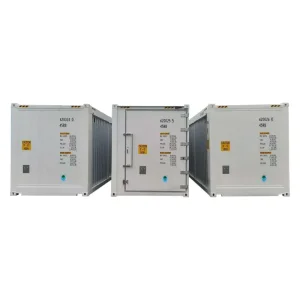
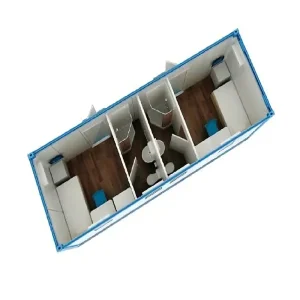
High-specification solutions including DNV-certified offshore tanks, multi-compartment reefers, alcohol tanks, and modular accommodation structures.
Whether you require standard 20ft/40ft fleet replacements, DNV-certified offshore cargo modules, or custom OEM reefer engineering, our technical sales engineers in Tianjin and Suzhou are ready to assist with detailed drawings and volume factory pricing within 24 hours.
